
My dog smelled like fish one morning, and I had no idea why. It was not something I expected, and I had no idea where to start.
If you are dealing with the same thing, you are in the right place.
In this article, I cover the most common reasons why your dog might smell like fish, from anal gland issues to dental problems and skin infections.
I also share what you can do about it at home and when it is time to call your vet. I have spent time researching this topic so you do not have to.
By the end of this read, you will know exactly what to look for and how to handle it.
Why Does My Dog Smell Like Fish?
That fishy smell is usually a sign that something is off. It could be coming from the rear end, the mouth, or even the skin. Most of the time, it is nothing serious.
But it does need your attention before it gets worse. The smell does not just show up for no reason.
There is always a cause behind it. Once you know what is going on, fixing it becomes a lot easier.
Let's get into it.
Anal Gland Problems: The Most Common Cause
The number one reason dogs smell like fish is their anal glands.
Dogs have two small sacs on either side of their rear end. These glands release a strong, fishy-smelling fluid when your dog poops. It's how dogs mark their scent.
When these glands don't empty properly, they can fill up and cause problems. Your dog may scoot across the floor, lick the area, or sit uncomfortably.
If the glands get impacted or infected, the smell gets much worse. In serious cases, they can even rupture. That is when you need a vet right away.
Most dogs need their anal glands expressed every few months. Some need it more often.
Fishy Smell From Your Dog's Mouth
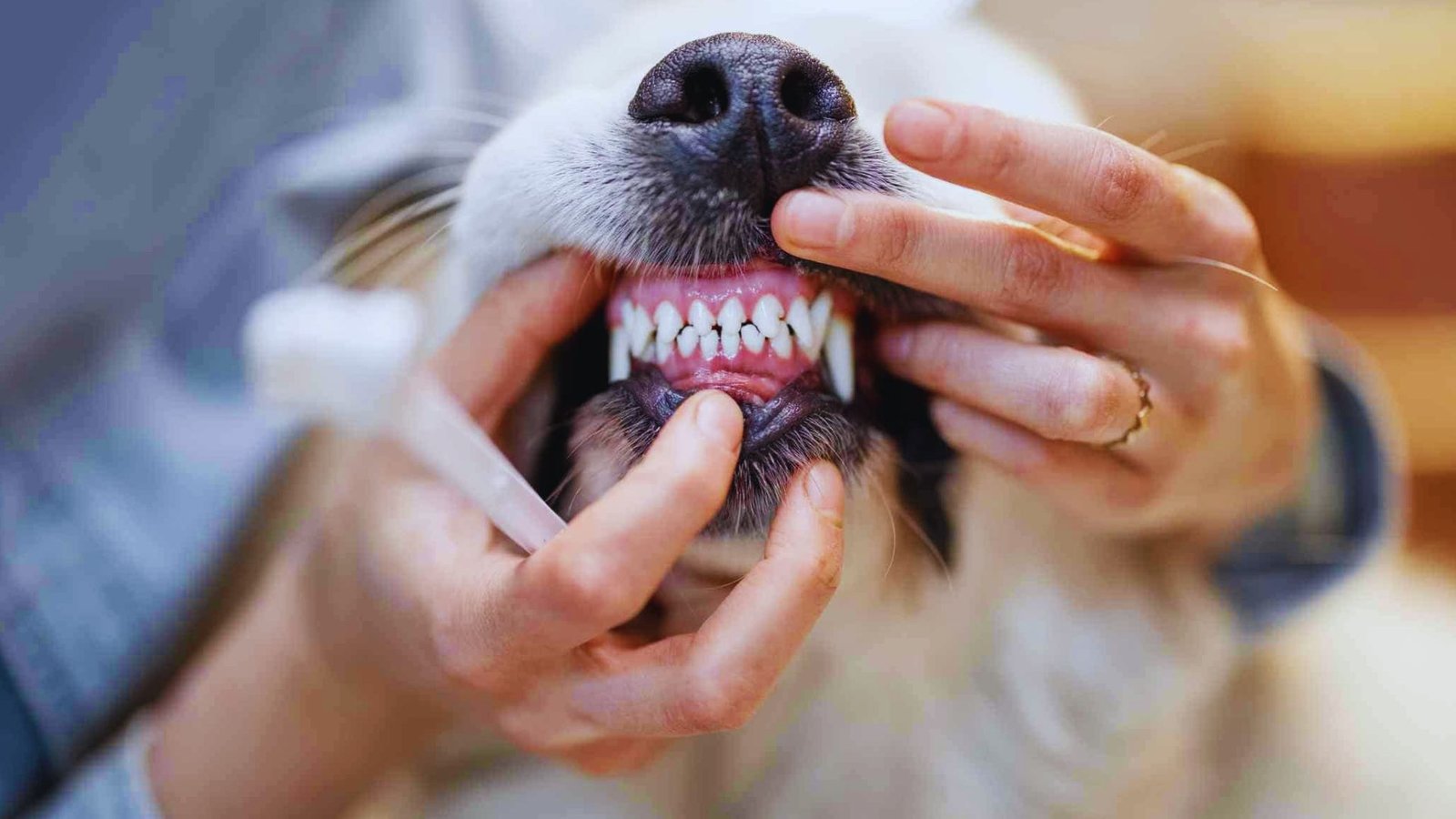
Bad breath in dogs is common. But if it smells specifically like fish, that can point to dental disease, gum problems, or a buildup of bacteria.
Some dogs eat fish-based food, which naturally causes fishy breath. But if the smell is strong and constant, it is worth checking.
Look for red gums, visible tartar, drooling, or difficulty eating. These are signs your dog needs a dental checkup.
Fishy Odor Around the Urinary or Genital Area
Sometimes the smell comes from the front, not the back.
A fishy odor near your dog's private area could be a sign of:
- A urinary tract infection
- A vaginal infection in female dogs
- Smegma buildup in male dogs
Female dogs are more prone to infections in this area. If you notice your dog licking that area more than usual or if there is any discharge, a vet visit is a good idea.
Skin and Yeast Infections
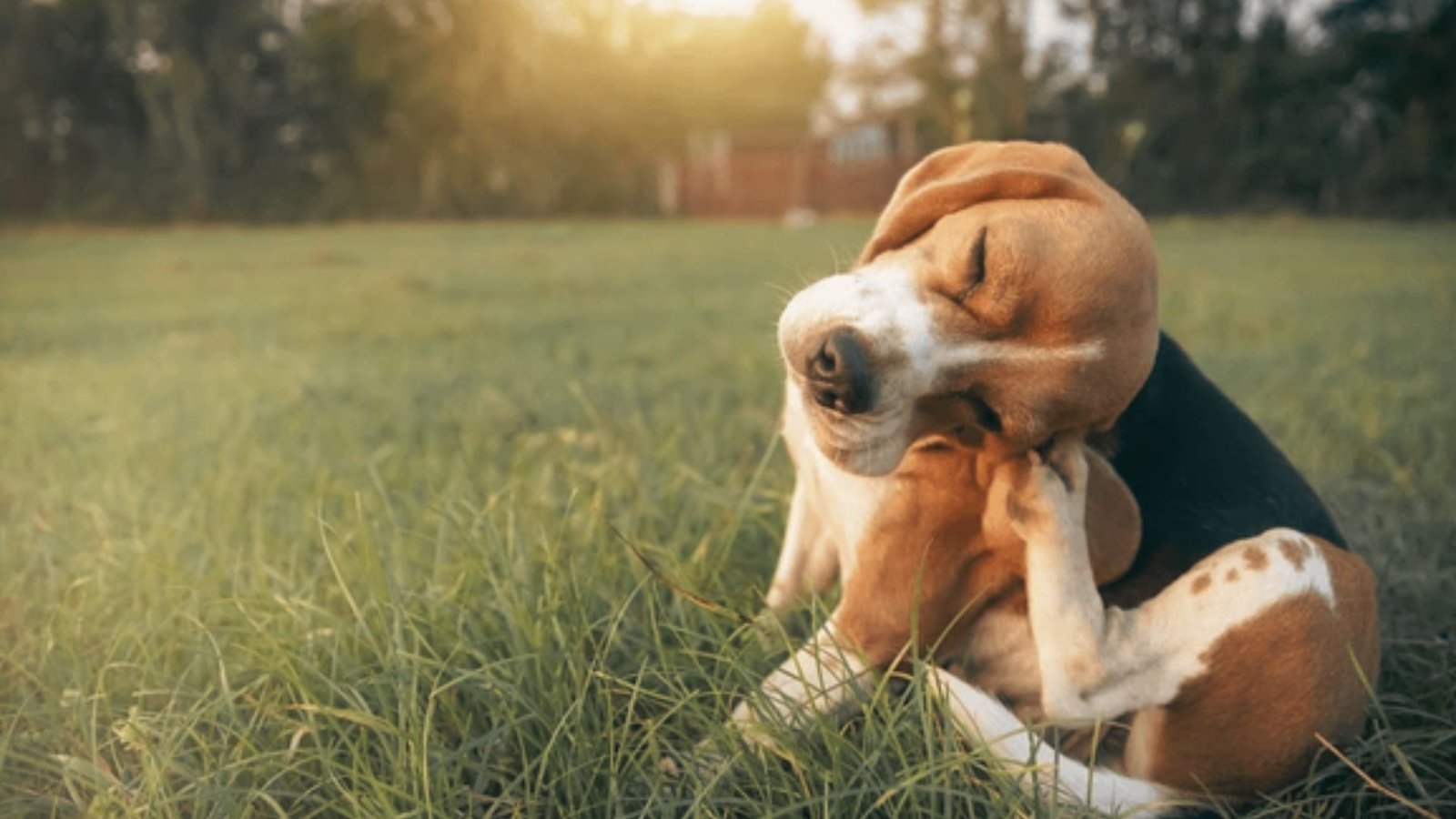
Yeast loves warm, moist areas. If your dog has folds of skin, floppy ears, or paws they lick a lot, yeast can build up.
Yeast infections often smell musty or slightly fishy. You might also notice redness, flakiness, or your dog scratching a lot.
This is treatable with the right shampoo or medication. Your vet can confirm it quickly.
Can Your Dog's Diet Cause a Fishy Smell?
Yes, food matters. If your dog eats a lot of fish-based protein, that smell can come out through the skin or breath.
Some low-quality foods use fish meal that isn't processed well. This can lead to stronger body odor.
Switching to a different protein source or a higher-quality food sometimes makes a big difference.
Other Possible Causes of a Fishy Smell
Here are a few less common but real causes:
- Stress-Induced Anal Gland Release: When dogs are scared or stressed, they sometimes release their anal glands involuntarily. This gives off a sudden, strong fishy smell.
- Poor Grooming and Hygiene:A dog that isn't bathed regularly can build up oils, bacteria, and odor over time. That buildup can smell off, including fishy.
- Structural Abnormalities: Some dogs are born with narrow anal gland ducts or other structural issues that make natural expression difficult. These dogs need more frequent vet care.
- Tumors Affecting the Anal Glands: In rare cases, growths near the anal glands can cause problems with drainage and odor. If other causes are ruled out, your vet may check for this.
How to Get Rid of a Fishy Smell in Dogs
That fishy smell always has a cause, and finding it is the first step to fixing it.
- Anal Gland Care and Maintenance: Get your dog's anal glands expressed by a vet or groomer regularly. Some owners learn to do this at home, but it is worth having a professional show you first. High-fiber diets can also help glands empty naturally.
- Improving Oral Hygiene: Brush your dog's teeth a few times a week with dog-safe toothpaste. Dental chews and water additives also help. For serious tartar buildup, a professional dental cleaning may be needed.
- Treating Skin and Yeast Infections: Use vet-recommended antifungal shampoo and keep your dog dry after baths or swims. Your vet may also prescribe medication if the infection is more serious.
- Keeping Your Dog Clean and Well Groomed:Regular baths, ear cleaning, and trimming hair around the rear end go a long way. A clean dog simply smells better.
- Following Veterinary Treatment Recommendations: If your vet prescribes antibiotics, antifungals, or other treatments, finish the full course. Stopping early can cause the problem to come back.
When Should You See a Veterinarian ?

Not every fishy smell requires a vet visit. But some signs mean you should not wait.
If the smell is sudden and very strong, or if your dog is scooting and biting at the rear, get it checked right away. Swelling, discharge, or blood near the anal area is also a red flag.
Same goes for a dog that seems to be in pain or is acting out of character. And if the smell has not gone away after basic cleaning, that is a sign something deeper is going on.
When in doubt, just call your vet. Catching something early is always the better move.
How to Prevent Fishy Odors in Dogs
The smell usually points to anal glands, the mouth, or skin, and it always has a cause worth finding.
- Maintain Regular Grooming Habits: Bathe your dog every four to six weeks. Keep their coat, ears, and skin clean. Trim hair around the anal area if needed.
- Support Healthy Anal Gland Function:Feed a high-fiber diet that supports firm stools. Firm stools help the glands express naturally. Talk to your vet about fiber supplements if needed.
- Practice Consistent Dental Care: Brush your dog's teeth as often as possible. Even two or three times a week makes a real difference over time.
- Schedule Routine Veterinary Checkups:A yearly checkup catches problems before they turn into bigger ones. Your vet can check the anal glands, teeth, skin, and more all in one visit.
Conclusion
A fishy smell coming from your dog is not something to ignore, but it is almost always fixable. In my experience, the cause is usually the anal glands.
A quick visit to the groomer or vet often solves it right away.
Beyond that, regular grooming, dental care, and a good diet go a long way in keeping odor under control.
Pay attention to where the smell is coming from and you will know what steps to take.
If the smell keeps coming back or gets worse, see your vet. The sooner you address it, the better your dog will feel.
Does your dog deal with recurring fishy smells? Drop a comment and share what worked for you.
Frequently Asked Questions
Why does my dog suddenly smell like fish?
A sudden fishy smell usually means the anal glands released on their own due to stress, fear, or an underlying infection.
How often should my dog's anal glands be expressed?
Most dogs need it every one to three months, though some need it more often depending on breed and size.
Can I express my dog's anal glands at home?
Yes, but have a vet or groomer show you the right technique first to avoid injury.
Is a fishy smell from my dog dangerous?
It is not usually dangerous, but infections and impacted glands can get painful if left untreated.
What foods can cause a fishy smell in dogs?
Fish-based foods or low-quality kibble with fish meal are the most common dietary triggers.
