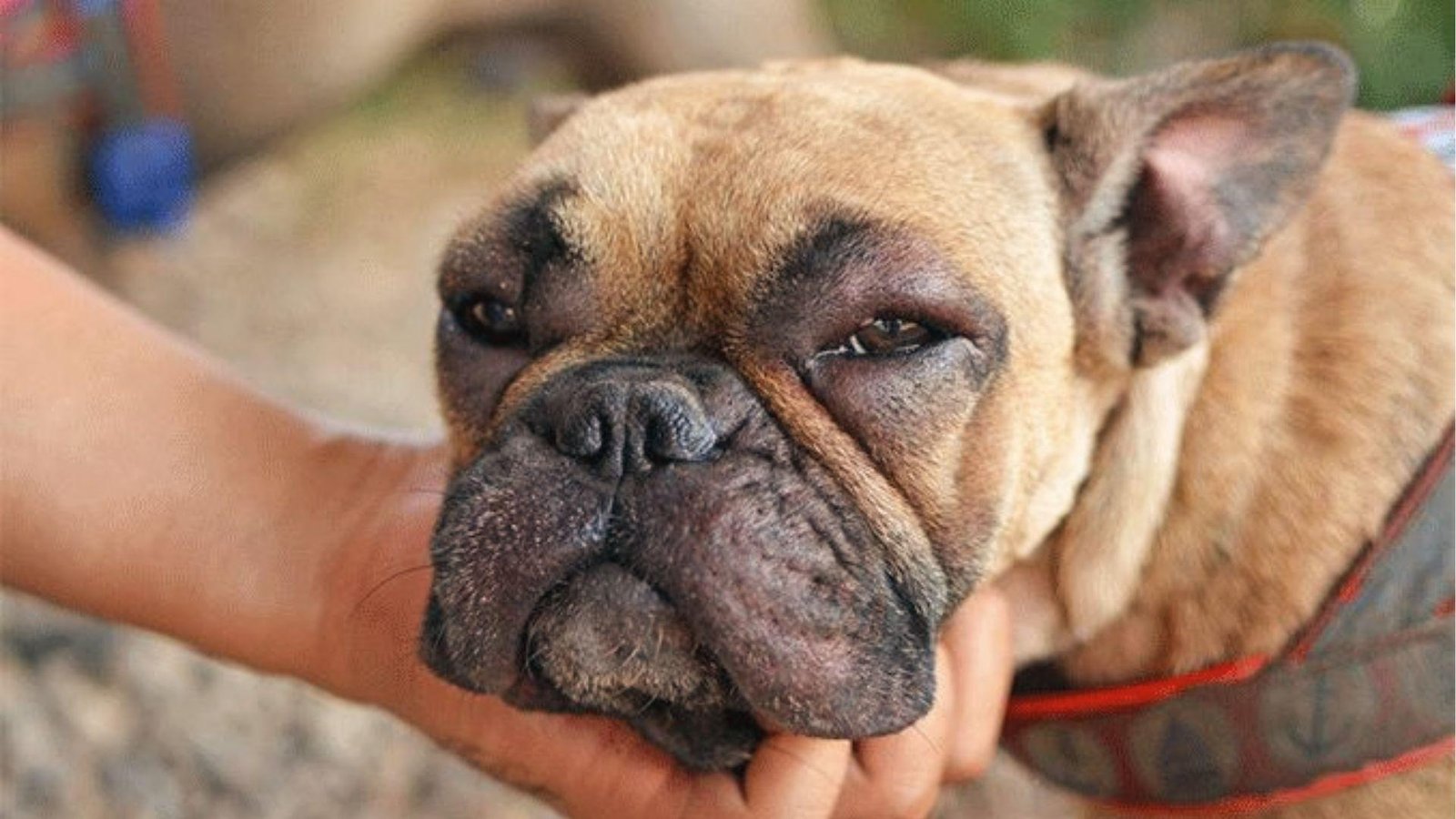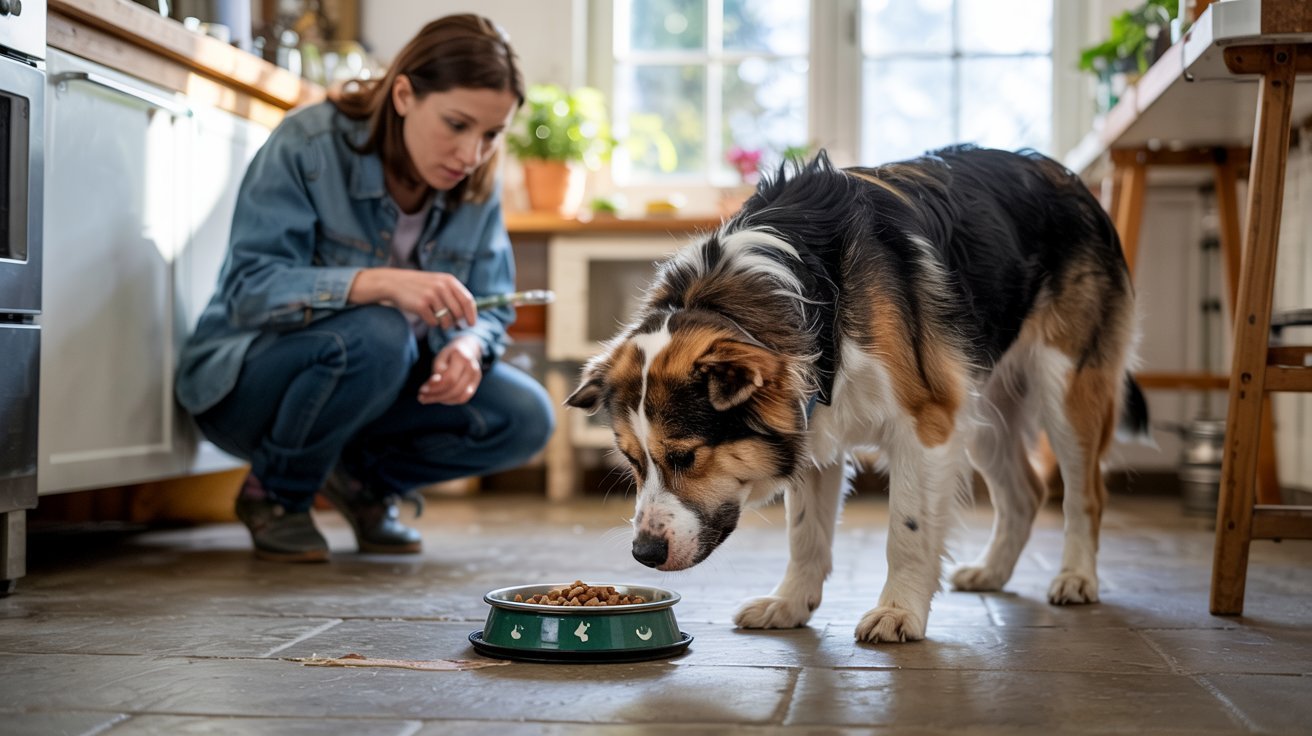


I know how scary it feels when your dog is shaking and acting weird all of a sudden. One moment they're fine. The next, they're trembling, confused, or just not themselves.
I've been there. And it's hard not to panic.
This article covers the most common reasons dogs shake suddenly, the signs you should never ignore, and what steps to take right away.
I'll also walk you through treatment options and what your vet might do.
By the end, you'll know exactly how to handle this situation with confidence.
Why Is My Dog Shaking and Acting Weird All of a Sudden?

When a dog shakes out of nowhere, it's usually trying to tell you something.
Dogs can't talk. Shaking is one of the ways their body communicates pain, fear, illness, or stress.
Sometimes the cause is simple, like being cold or scared. Other times, it points to something that needs medical attention fast.
The key is knowing the difference.
Common Causes of Sudden Shaking and Strange Behavior in Dogs
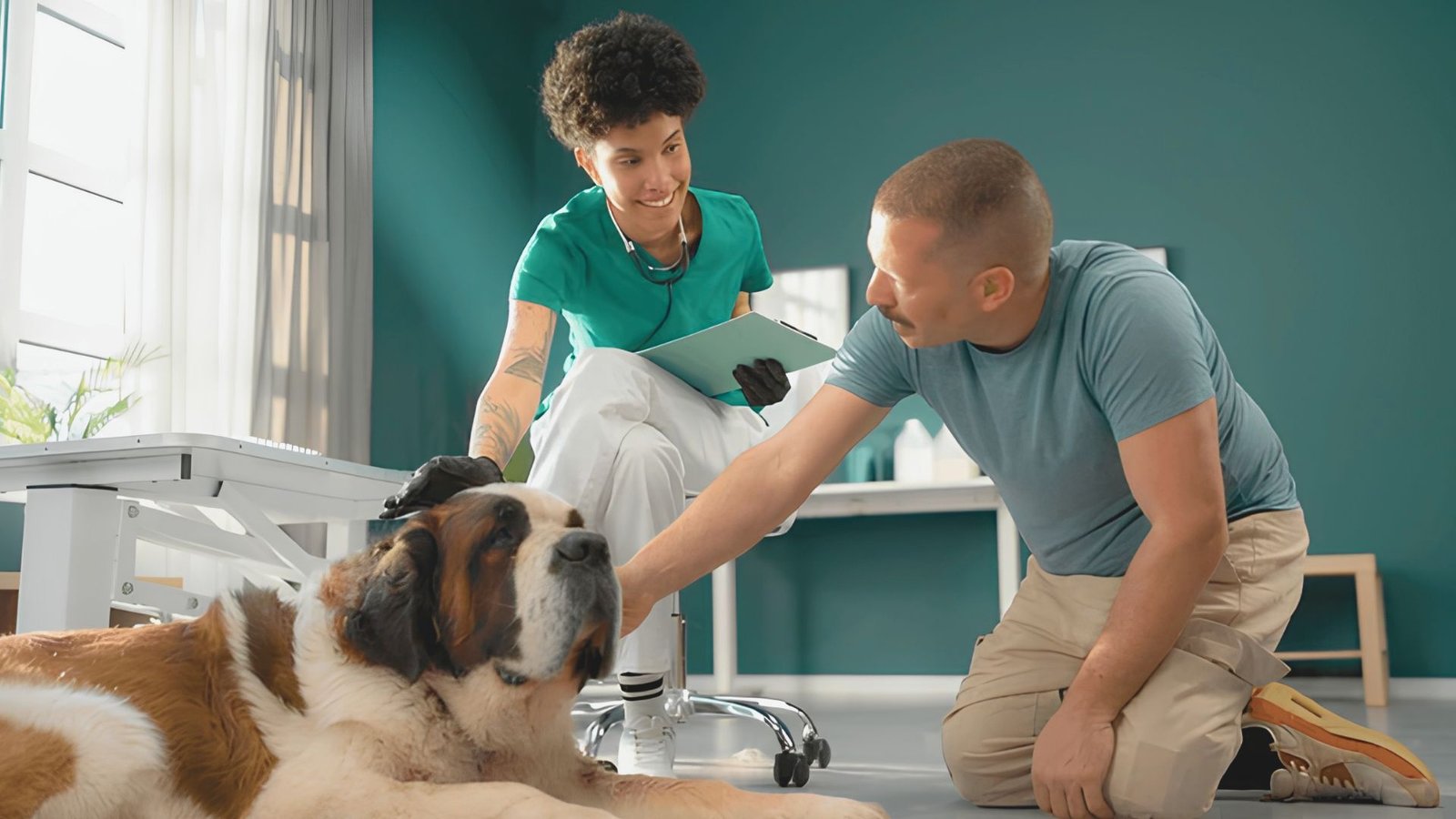
There are several reasons this can happen, and most of them are more common than you'd think.
- Anxiety, Fear, and Stress Triggers
Loud noises are a big one. Thunderstorms, fireworks, or even a new environment can cause dogs to shake, pace, or hide.
Separation anxiety is another common trigger. If your dog shakes when you leave or return home, stress is likely the cause.
Some dogs are just more sensitive than others.
- Cold Temperatures and Shivering
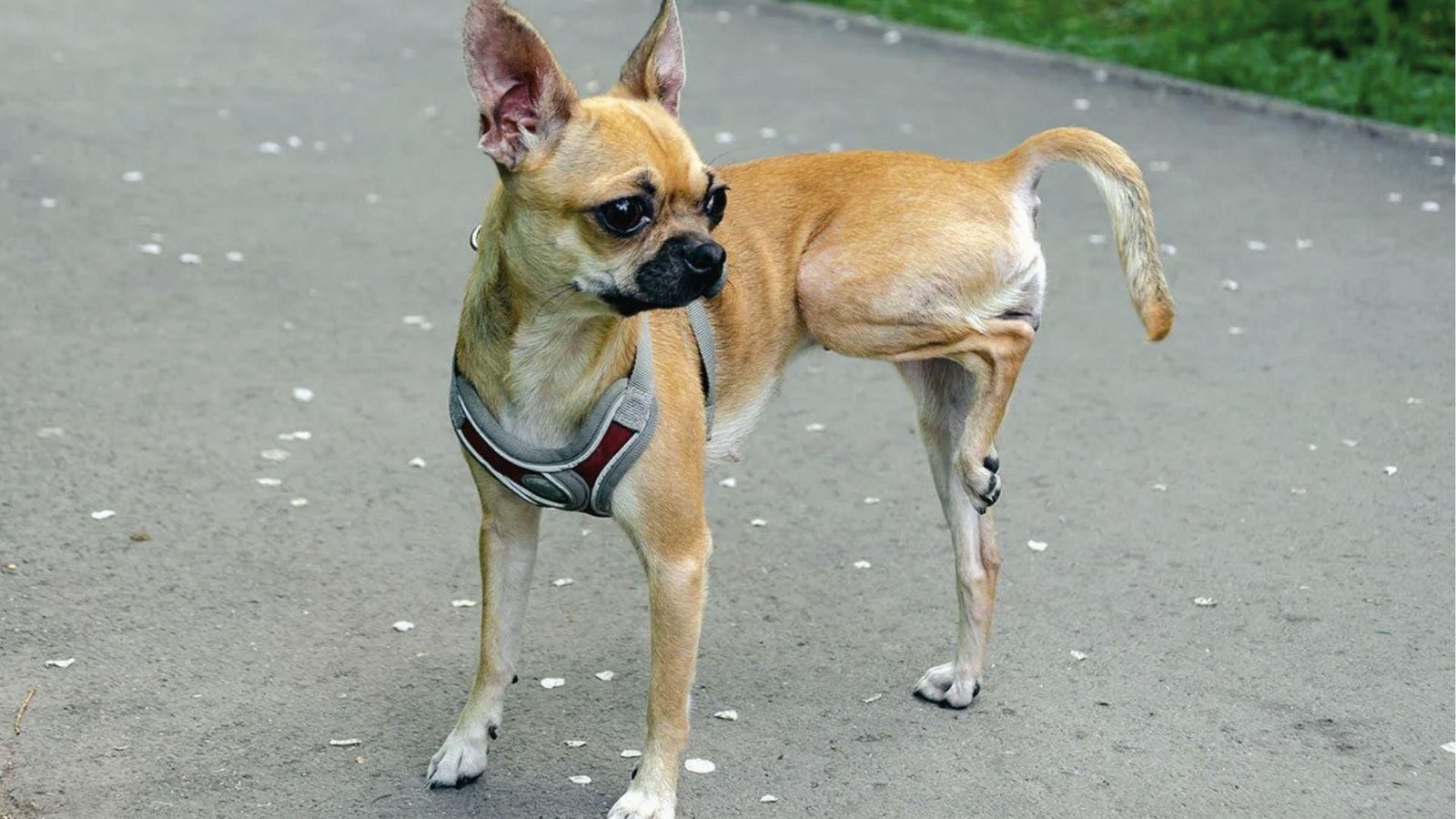
Small breeds and short-haired dogs get cold fast.
If your dog was outside in cool weather and is now shaking, they may just need warmth. Wrap them in a blanket and bring them inside.
If the shaking doesn't stop after warming up, look into other causes.
- Excitement or Emotional Overstimulation
Some dogs shake when they're happy or overstimulated.
You'll usually notice this when guests arrive or during playtime. It looks like trembling but it's not painful or dangerous.
Watch their overall behavior. If they seem happy and alert, this is likely the reason.
- Pain or Physical Discomfort
Shaking can be a sign of pain. Dogs don't always cry or whimper when something hurts.
Check for swelling, limping, or sensitivity when you touch certain areas. If your dog pulls away or yelps when touched, pain could be the trigger.
- Injury or Trauma
A recent fall, bite, or accident can cause shaking as the body responds to shock or injury.
If your dog was involved in any kind of physical incident, get them checked by a vet even if they look okay on the outside.
Medical Conditions That May Cause Shaking and Unusual Behavior
Some health conditions directly cause shaking in dogs.
Hypoglycemia (low blood sugar) is common in small breeds and puppies. They may seem weak, confused, or disoriented alongside the shaking.
Canine distemper is a viral illness. It causes muscle twitching, shaking, and behavioral changes. It mostly affects unvaccinated dogs.
Kidney disease or failure can cause full-body tremors. The toxins that build up in the blood affect the nervous system.
Addison's disease affects the adrenal glands. Dogs with this condition may shake, vomit, or appear unusually tired.
Generalized Tremor Syndrome (GTS) is seen mostly in small white dogs but can affect any breed. The shaking is constant and doesn't seem linked to any trigger.
Poisoning or toxic ingestion can cause rapid-onset shaking, drooling, seizures, and collapse. This is a medical emergency.
Neurological disorders like seizures or brain lesions can cause sudden tremors and disorientation.
Signs Your Dog Needs Immediate Veterinary Care
Some signs mean you shouldn't wait.
Get your dog to a vet right away if you see:
- Shaking combined with vomiting or diarrhea
- Seizures or loss of consciousness
- Trouble breathing
- Pale or white gums
- Collapse or inability to stand
- Signs of poisoning like drooling, dilated pupils, or extreme agitation
- Shaking that doesn't stop after a few minutes
- Sudden behavior changes like aggression or confusion
When in doubt, call your vet. It's always better to check.
What to Do If Your Dog Is Shaking and Acting Weird All of a Sudden
Not always. But some causes are preventable.
Keep your dog up to date on vaccinations. This protects against diseases like distemper that can cause shaking.
Dog-proof your home. Keep medications, toxic plants, and cleaning products out of reach.
Manage stress and anxiety early. If your dog reacts badly to loud events, start desensitization training before the situation gets worse.
Schedule regular vet checkups. Catching problems early makes a big difference. Conditions like kidney disease or hormonal disorders are easier to manage when found early.
Feed a balanced diet. Hypoglycemia is often preventable with regular, proper meals.
You can't prevent everything. But a little awareness goes a long way.
Conclusion
Seeing your dog shaking and acting weird all of a sudden is one of the most stressful things as a pet owner. I get it. Your first instinct is to fix it fast.
The good news is that most causes are treatable. Whether it's anxiety, cold, or a medical condition, there are real solutions.
What matters most is acting quickly and staying calm. Check your dog, note the symptoms, and contact your vet without delay.
Don't ignore it and hope it passes. Your dog depends on you to notice and act.
Have you ever dealt with sudden shaking in your dog? What helped you most? Share your experience in the comments below.
Frequently Asked Questions
Why is my dog suddenly shaking for no reason?
Sudden shaking usually links to anxiety, pain, cold, or an underlying health condition that needs a vet's assessment.
Should I be worried if my dog is shaking but acting normal otherwise?
Mild shaking with no other symptoms may be stress or excitement, but if it repeats, get a vet checkup to rule out illness.
Can food cause a dog to shake?
Yes. Toxic foods like xylitol, chocolate, or grapes can trigger shaking and require immediate emergency care.
How long can a dog shake before it's dangerous?
Shaking lasting more than a few minutes, or shaking combined with other symptoms, should be treated as an emergency.
Is shaking in old dogs different from shaking in young dogs?
Yes. Older dogs often shake due to muscle weakness or arthritis, while younger dogs more commonly shake from fear or low blood sugar.