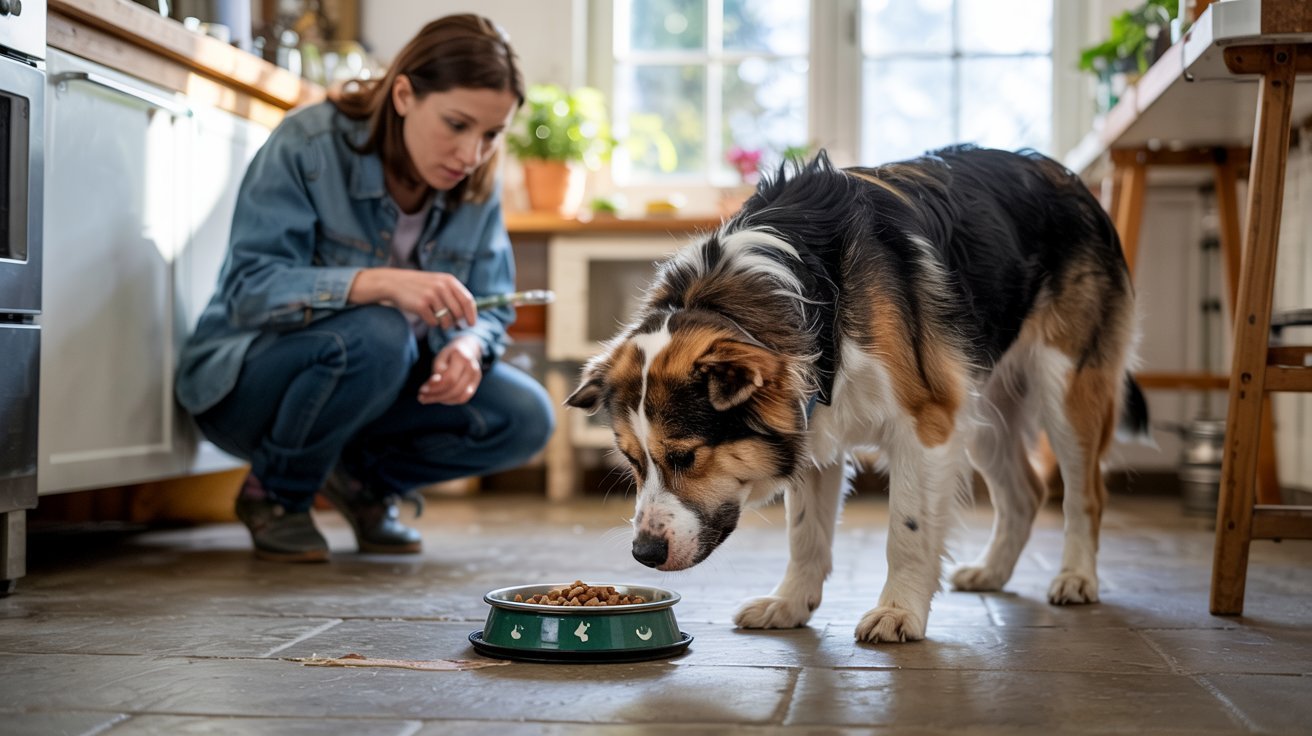


I remember the first time my dog gave me those big eyes while I was eating a sweet potato. I had no idea if sharing was safe. So I did what any dog parent would do. I looked it up.
Are sweet potatoes good for dogs? The short answer is yes, but only when prepared the right way.
In this blog, I will cover the real nutritional benefits of sweet potatoes for dogs When they are safe and when they are not How to serve them properly What vets actually say
I have spent time going through vet-approved sources so you get clear, honest answers without the confusion.
Are Sweet Potatoes Good for Dogs? (Quick Answer & Safety Overview)

Sweet potatoes are safe for dogs, but only under the right conditions. They must be cooked, served plain, and given only as an occasional treat, not a daily meal.
Raw sweet potatoes are hard for dogs to digest and can be a choking risk, especially for smaller breeds.
Most vets approve sweet potatoes in moderation, and you will often find them listed as an ingredient in commercial dog foods and store-bought treats.
Just remember, preparation matters as much as portion size. Too much of even healthy food can cause problems, so keep servings small and simple.
Why Are Sweet Potatoes Good for Dogs? Nutritional Benefits

Find out what makes sweet potatoes a smart and healthy treat option for your dog.
Why Are Sweet Potatoes Good for Dogs? Key Nutrients Explained
Sweet potatoes are packed with nutrients that support your dog's health. Here is what you are actually giving your dog when you share a bite.
High fiber content that supports healthy and regular digestion Vitamin A for strong eyesight and a healthy immune system.
Vitamin B6 to support brain function and red blood cell health Vitamin C to fight off illness and reduce inflammation Potassium and manganese to support muscles, nerves, and bone health
These are not empty calories. Sweet potatoes bring real value to your dog's diet when given correctly.
How Are Sweet Potatoes Good for Dogs? Health Support
Beyond the basic nutrients, sweet potatoes offer a few other health benefits worth knowing.
They support gut health thanks to their fiber content. This can help dogs that deal with loose stools or irregular digestion.
The complex carbohydrates in sweet potatoes also provide steady energy without causing a sharp blood sugar spike.
Plus, sweet potatoes support your dog's immune system and can even help maintain a healthy coat and skin over time.
Antioxidants and Beta-Carotene Benefits
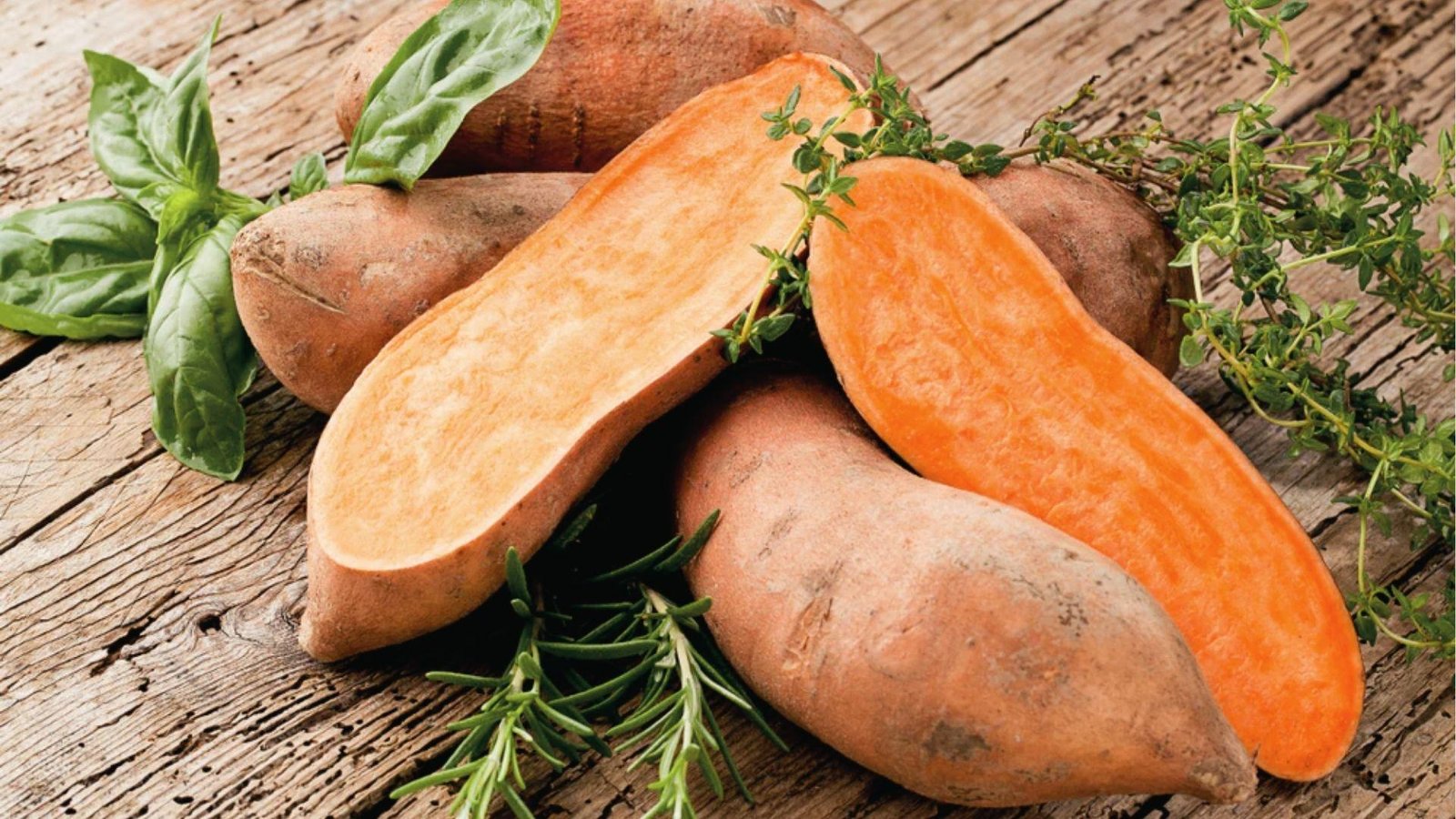
Sweet potatoes are rich in beta-carotene, which gives them that deep orange color. Beta-carotene converts to Vitamin A in your dog's body and acts as a powerful antioxidant.
This helps protect your dog's cells from damage. It also supports healthy skin, a shiny coat, and good vision as your dog ages.
Are Sweet Potatoes Good for Dogs or Are There Risks?

Not every form of sweet potato is safe. Here is what to watch out for before feeding.
When Sweet Potatoes Can Be Unsafe
Sweet potatoes are not always safe.
Here are the situations where they can cause harm:
- Raw sweet potatoes are tough for dogs to break down. They can cause digestive discomfort and may become a choking hazard.
- Seasoned sweet potatoes are a no. Salt, garlic, onion, butter, and spices that we add for flavor are all harmful to dogs. Even small amounts can cause health issues.
- Canned sweet potatoes often contain added sugars, sodium, or syrups. Always check the label before offering anything from a can.
Digestive Problems from Overfeeding
Even plain, cooked sweet potatoes can cause issues if you give too much at once.
Dogs that eat too many sweet potatoes may experience:Gas and bloating Loose stools or diarrhea Vomiting Stomach upset
Some dogs are more sensitive than others. If your dog shows any of these signs, reduce the amount or stop feeding sweet potatoes entirely.
Blood Sugar and Weight Concerns
Sweet potatoes are high in carbohydrates. For healthy dogs, this is usually not a problem in small amounts. But for dogs that are overweight or have diabetes, the carb content can be a concern.
If your dog has any ongoing health conditions, talk to your vet before adding sweet potatoes to their diet. It is always better to ask first.
How to Safely Feed Sweet Potatoes to Dogs

Simple steps to make sure your dog gets the benefits without any of the risks.
Best Cooking Methods
The safest ways to prepare sweet potatoes for your dog are:Boiling until fully soft Baking without any oil, butter, or seasoning Steaming until tender
All three methods work well. The goal is to make the sweet potato soft and easy to chew and digest. Never fry or season them.
Proper Portion Control
Treats should make up no more than 10 percent of your dog's daily calorie intake. Sweet potatoes fall into the treat category.
Start with a small amount, like one or two small cubes. Watch how your dog reacts over the next 24 hours. If there are no issues, you can slowly increase the portion over time.
Safe Serving Ideas
You do not have to overthink how to serve sweet potatoes.
Here are some easy options:Plain mashed sweet potato with no added ingredients Small bite-sized chunks mixed into your dog's regular food Frozen cubes as a cool treat on warm days
Keep it simple. Plain is always the safest choice.
Are Sweet Potatoes Good for Dogs Long-Term?
Here is what you need to know about including sweet potatoes in your dog's routine over time.
Role in a Balanced Diet
Sweet potatoes should be a supplement to your dog's diet, not a replacement for it.
Your dog's regular food is designed to meet all their nutritional needs. Sweet potatoes are a bonus, not a base.
Use them as an occasional treat. A few times a week in small amounts is more than enough.
Monitoring Your Dog's Health Response
Every dog is different. Some handle sweet potatoes well. Others may show sensitivity.
After introducing sweet potatoes, watch for any changes in your dog's digestion, energy, or coat condition. If you notice anything unusual, reduce the amount or stop giving them altogether.
And if your dog has a history of food allergies or health conditions, check with your vet before making any dietary changes.
Tips for Feeding Sweet Potatoes Safely
Six simple rules to keep your dog safe every time you serve sweet potatoes.
- Always cook sweet potatoes before feeding them to your dog
- Never add salt, sugar, butter, or spices of any kind
- Introduce them slowly and in small amounts
- Keep portions to under 10 percent of daily calories
- Avoid canned versions unless they are completely plain
- Talk to your vet if your dog has diabetes, weight issues, or any health conditions
Conclusion
If you have been wondering whether sweet potatoes are a smart treat for your dog, I hope this cleared things up.
Personally, I now share a small plain piece with my dog from time to time, and he loves it.
Are sweet potatoes good for dogs? Yes, when cooked plain and given in moderation. They support digestion, immunity, and overall health. Just keep portions small and always skip the seasonings.
Try it out and see how your dog reacts. Drop a comment below and let me know if your dog is a sweet potato fan too!
Frequently Asked Questions
Can dogs eat sweet potato skin?
It is best to remove the skin before feeding. Sweet potato skin can be hard to digest and may cause stomach upset in some dogs.
How often can I give my dog sweet potatoes?
A few times a week in small amounts is safe for most healthy dogs. It should remain an occasional treat, not a daily food.
Can puppies eat sweet potatoes?
Yes, puppies can eat cooked plain sweet potatoes in very small amounts. Always introduce new foods slowly and watch for any reaction.
Are sweet potato treats from stores safe for dogs?
Most commercial sweet potato dog treats are safe, but always check the ingredient list. Avoid any product with added sugar, salt, or artificial flavors.
Can I give my diabetic dog sweet potatoes?
It is best to avoid sweet potatoes for diabetic dogs without talking to a vet first. The high carbohydrate content can affect blood sugar levels.