
Watching your dog suddenly stop using a back leg is scary. I've been there, kneeling beside my dog, trying to figure out what went wrong.
Dogs not putting weight on their back leg is one of the most common concerns dog owners face, and it can happen out of nowhere or build up slowly over time.
Here's something many people miss, a dog not putting weight on its back leg but not crying may still have a serious injury. Dogs are wired to hide pain.
In this blog, I'll walk you through the causes, warning signs, and what to do next. I've researched this thoroughly so you don't have to guess.
Overview of Dog Not Putting Weight on Back Leg
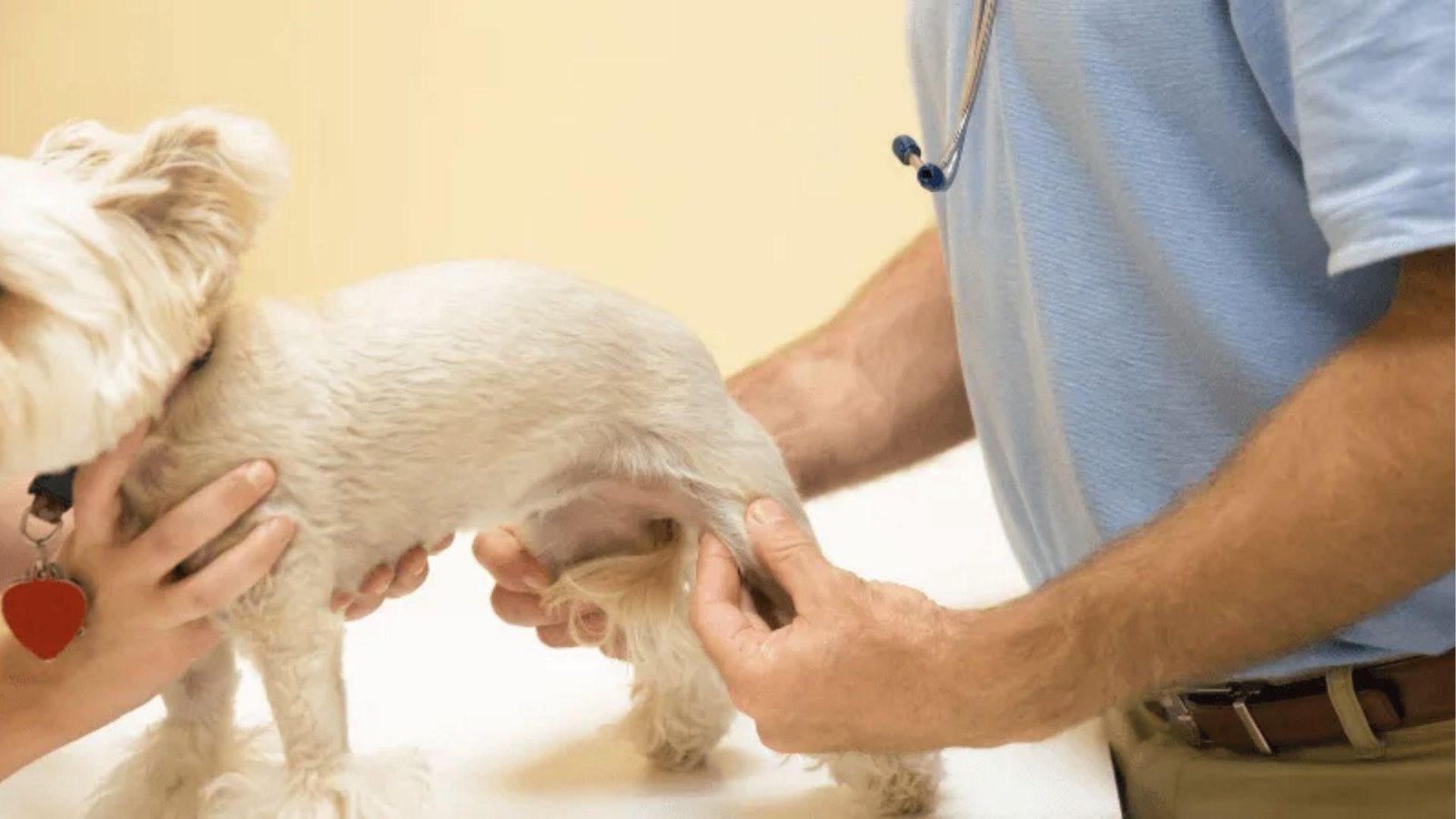
A quick breakdown of what this condition actually means and why it matters for your dog's health.
When a dog refuses to put weight on a back leg, it means something is causing pain, weakness, or instability.
This is not just a limp. There's a big difference between limping with some weight and complete non-weight-bearing.
A dog that limps still touches the ground. A dog that holds the leg up entirely is dealing with something more severe.
Why my dog is not putting weight on back leg should never be ignored comes down to one thing, dogs don't stop using a limb unless it really hurts.
Even if they seem calm and quiet, the injury may be serious.
Silent pain behavior in dogs is real. They won't always cry. They might just go still, stop jumping, or avoid stairs. Watch for these subtle signs.
Common Orthopedic Causes Behind Back Leg Non-Weight-Bearing
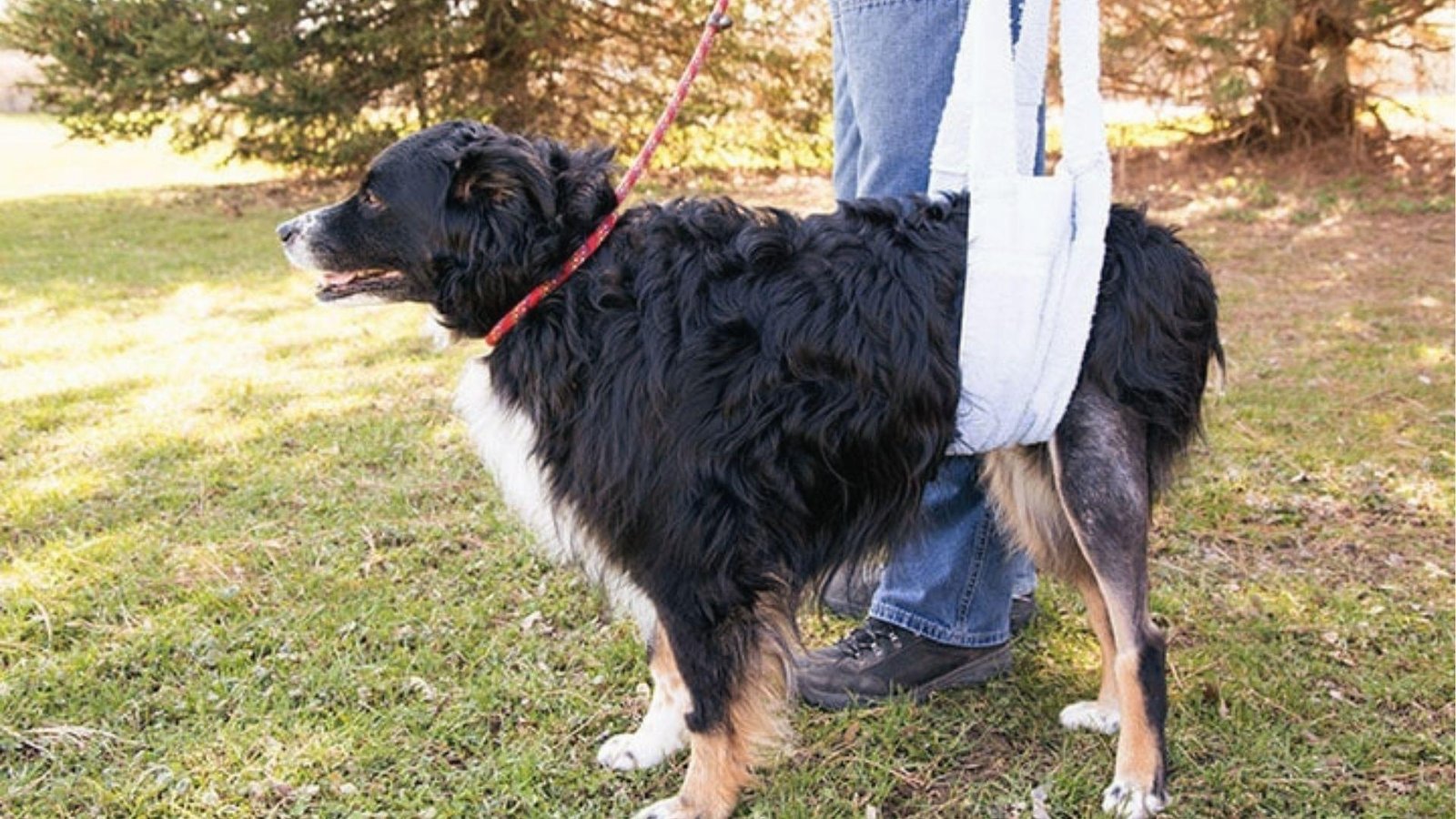
Bone and joint problems are among the most frequent reasons dogs stop bearing weight on a back leg.
Cranial Cruciate Ligament (CCL) Injury
This is one of the most common causes. The CCL is similar to the ACL in humans. It can tear partially or completely, often during running or sudden movement.
After the injury, the dog may hold the leg up entirely. The knee feels unstable. Surgery is often needed for a full recovery.
Hip Dysplasia
Hip dysplasia happens when the hip joint doesn't form properly. The ball and socket don't fit together well, causing pain and stiffness over time.
Large breeds like German Shepherds and Labradors are most affected. The dog may struggle to rise, avoid stairs, or shift their weight forward.
Patellar Luxation
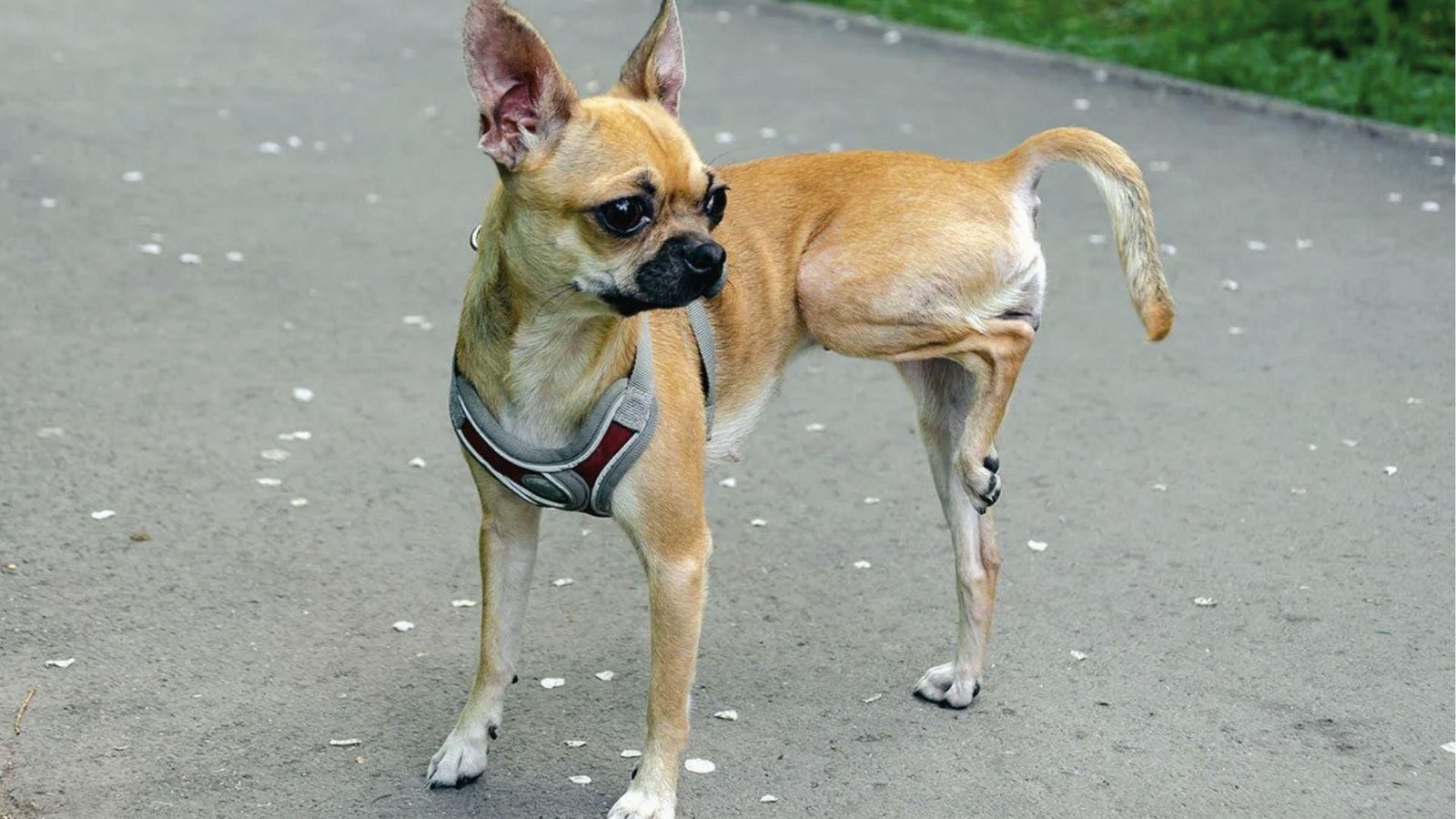
This is when the kneecap slips out of its normal position. You might notice your dog skipping for a few steps, then going back to normal. It's more common in small breeds like Chihuahuas and Pomeranians.
In severe cases, the kneecap stays out of place and the dog stops bearing weight completely.
Fractures or Bone Injury
A fracture causes immediate non-weight-bearing. This is almost always from trauma, like a fall or being hit by something. The leg may look wrong. This needs urgent veterinary attention right away.
Soft Tissue and Muscle Injuries Causing My Dog Not Putting Weight on Back Leg
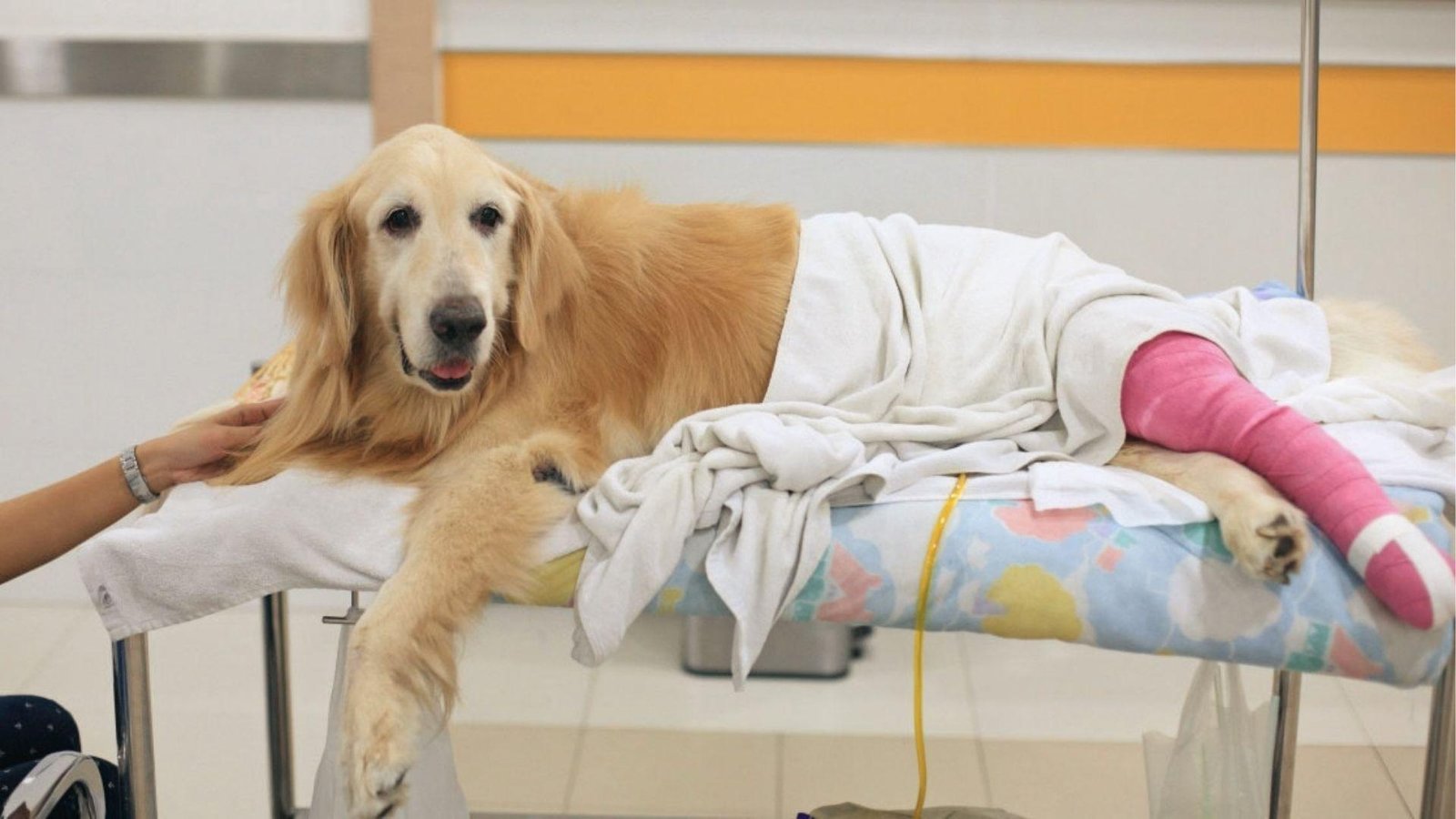
Muscle and tissue injuries are easy to overlook but can cause just as much pain as bone conditions.
Muscle Strain or Sprain
Overexertion during play, running, or jumping can strain the muscles or sprain the ligaments in the back leg.
The dog may show mild swelling, stiffness, or reluctance to move. Rest usually helps if the injury is minor.
Iliopsoas Muscle Injury
The iliopsoas is a deep hip muscle that often gets injured in active dogs. Pain shows up during movement, especially on stairs or when jumping.
This injury is frequently missed because it doesn't show up clearly on X-rays. A hands-on orthopedic or rehabilitation vet exam is needed to catch it.
Neurological Causes of Dog Not Putting Weight on Back Leg
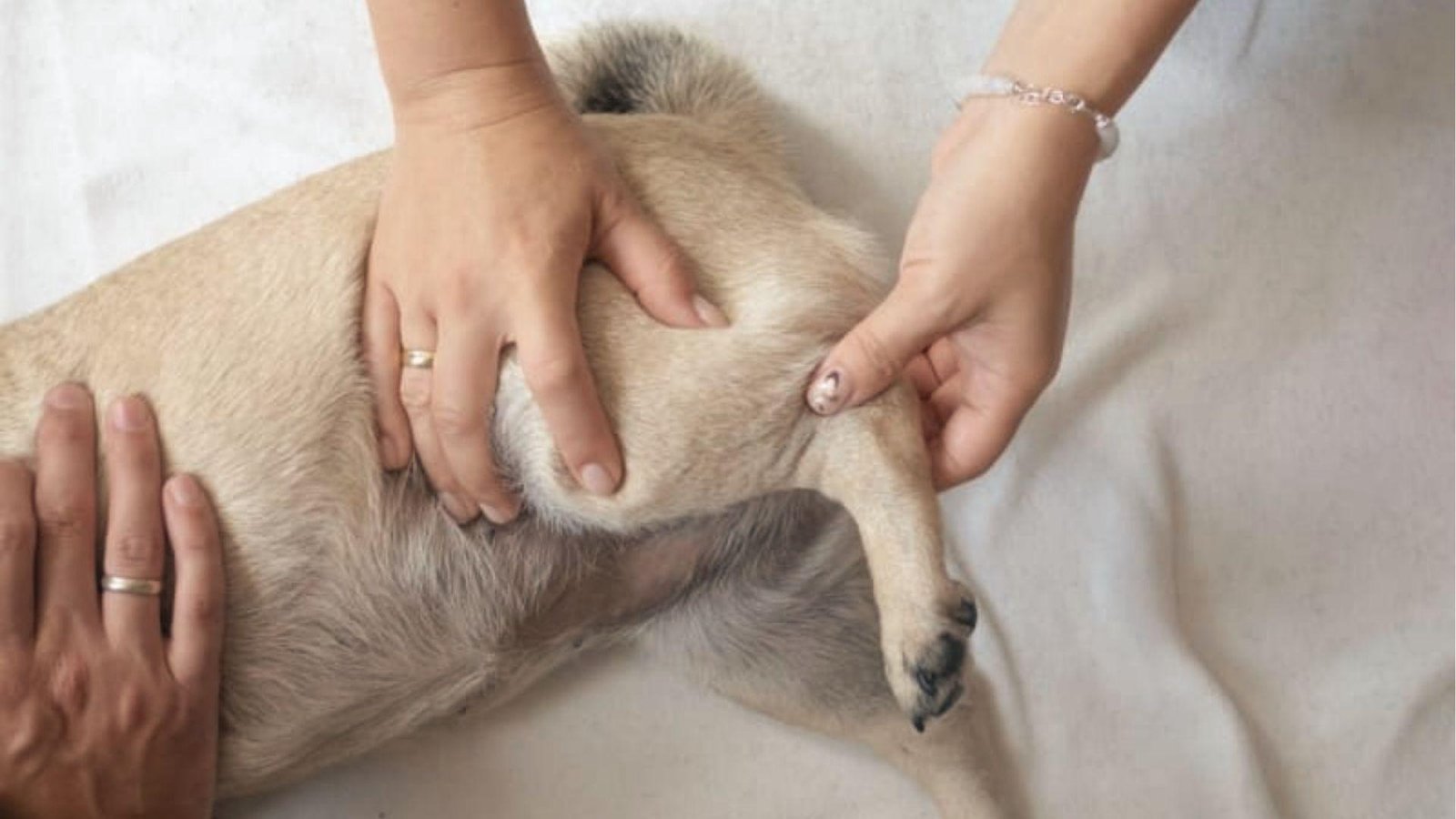
When the spine or nerves are involved, the back legs can weaken or stop working properly.
Intervertebral Disc Disease (IVDD)
IVDD happens when a spinal disc bulges or ruptures and presses on the spinal cord. The back legs may feel weak, wobbly, or completely limp.
This condition can worsen fast and needs prompt veterinary care.
Degenerative Myelopathy
This is a progressive disease of the spinal cord. It starts with coordination problems and slowly leads to complete loss of function in the hind legs.
It's most common in older dogs and certain breeds like German Shepherds and Boxers.
Nerve or Spinal Cord Injury
Trauma or compression can damage the spinal cord or the nerves going to the back legs. A dog with this kind of injury may drag the leg, knuckle over on the paw, or walk with an unsteady gait.
When to Worry and See a Vet Immediately
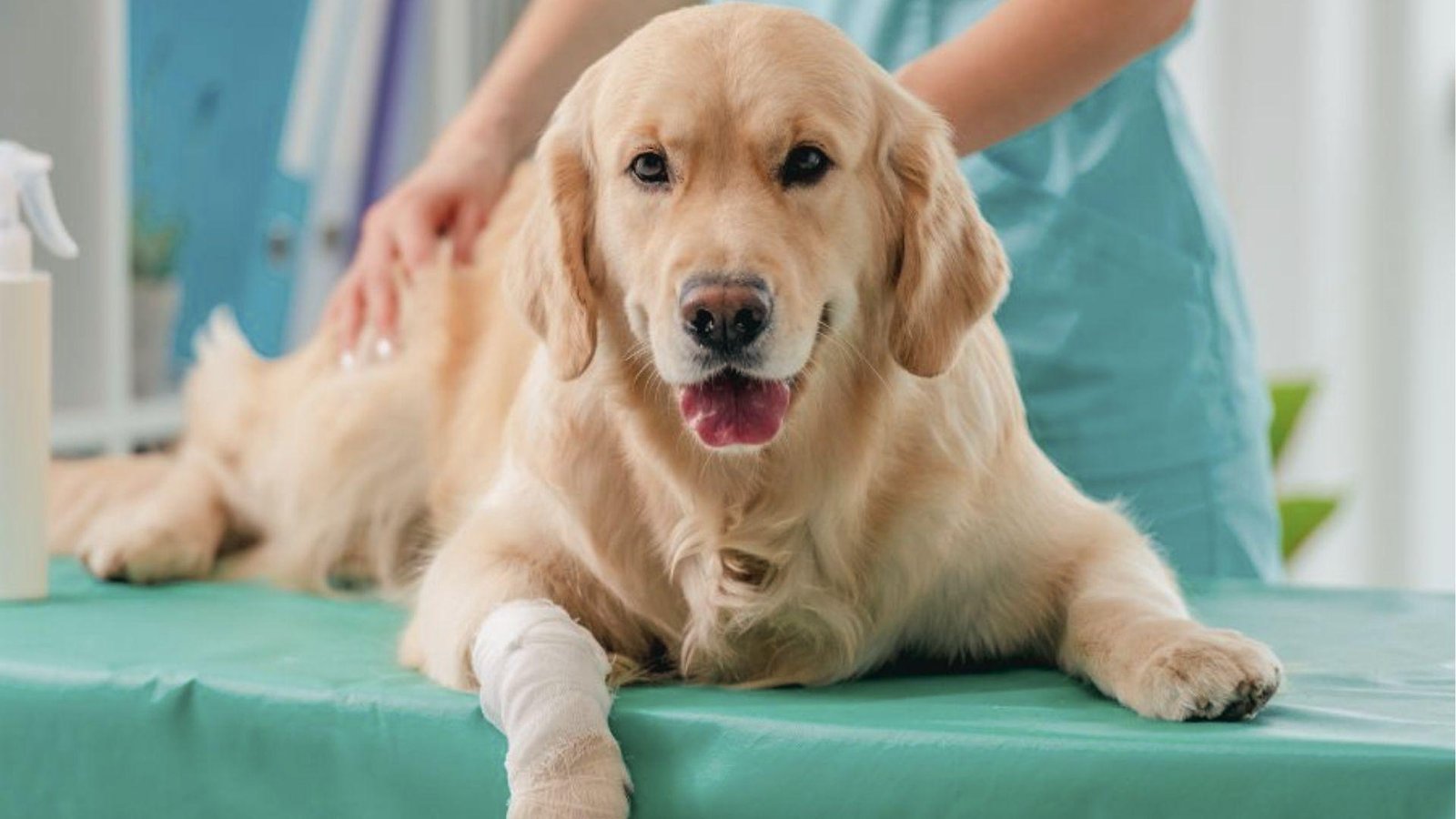
Some signs mean you should skip the wait-and-see approach and get to a vet today.
Sudden Limping or Complete Non-Weight-Bearing
This happens when your dog is perfectly fine and then suddenly refuses to use a back leg.
It often points to a ligament tear, fracture, or acute joint injury. This kind of sudden change should never be left unattended for more than a day.
Visible Swelling, Deformity, or Paw Dragging
If the leg looks swollen, bent at a wrong angle, or your dog is dragging the paw across the floor, something serious is going on.
These are not minor issues that rest will fix. Get to a vet the same day you notice these signs.
Diagnosis and Treatment for Dog Not Putting Weight on Back Leg
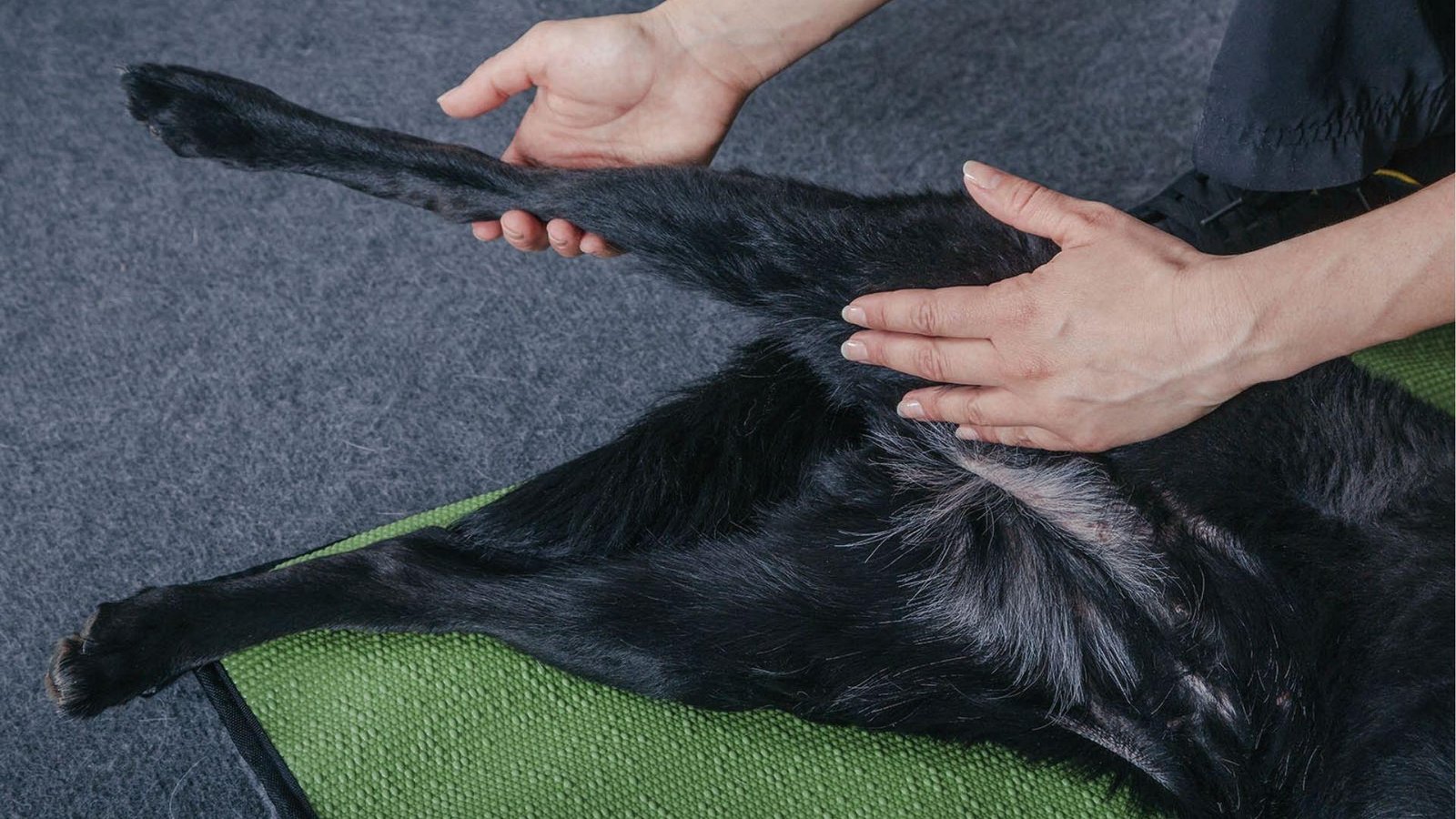
A proper vet exam is the only way to know what's causing the problem and what treatment will help.
Physical Exam and Imaging Tests
Your vet will watch how your dog walks, feel along the leg and spine, and check joint stability by hand.
X-rays usually follow to spot fractures, joint damage, or signs of hip dysplasia. If a spinal or nerve problem is suspected, an MRI or CT scan may be the next step.
Treatment Options Based on the Diagnosis
Mild sprains and strains are treated with rest and anti-inflammatory medications. More serious conditions like CCL tears or severe patellar luxation often need surgery.
Physical therapy and rehabilitation are recommended after surgery or for long-term joint conditions to restore strength and movement.
Tips to Help a Dog Not Putting Weight on Back Leg at Home
While waiting for your vet appointment, these steps can help keep your dog comfortable and safe.
- Restrict movement and keep your dog away from stairs
- Use leash-only short walks for bathroom breaks only
- Check the paw carefully for cuts, swelling, or anything stuck inside
- Set up a soft, comfortable resting area with easy access
- Monitor symptoms closely and note any changes before the vet visit
Conclusion
If your dog is not putting weight on a back leg, take it seriously, even if they seem calm.
I know how easy it is to hope they just "slept on it wrong," but dogs rarely stop using a limb without a real reason.
Early care makes a huge difference in how well and how fast they recover.
Please don't wait too long. Book that vet visit.
If this helped you, drop a comment below or share it with another dog parent who might need it.
Frequently Asked Questions
Can a dog not put weight on its back leg heal on its own?
Minor muscle strains may improve with rest in a few days. But joint injuries, fractures, and nerve issues will not heal without veterinary treatment.
Why is my dog not putting weight on the back leg but not crying?
Dogs naturally hide pain. No crying doesn't mean no injury. Non-weight-bearing without vocalization is still a serious sign that needs attention.
How long should I wait before seeing a vet?
If there's no improvement within 24 to 48 hours, or if symptoms are severe from the start, see a vet right away. Don't wait more than two days.
What's the most common cause of back leg limping in dogs?
CCL tears and hip dysplasia are among the most common orthopedic causes, especially in medium to large breed dogs that are active.
Can I give my dog pain medication at home?
Never give human pain medication to dogs. Many are toxic. Your vet can prescribe safe, dog-appropriate pain relief based on the diagnosis.