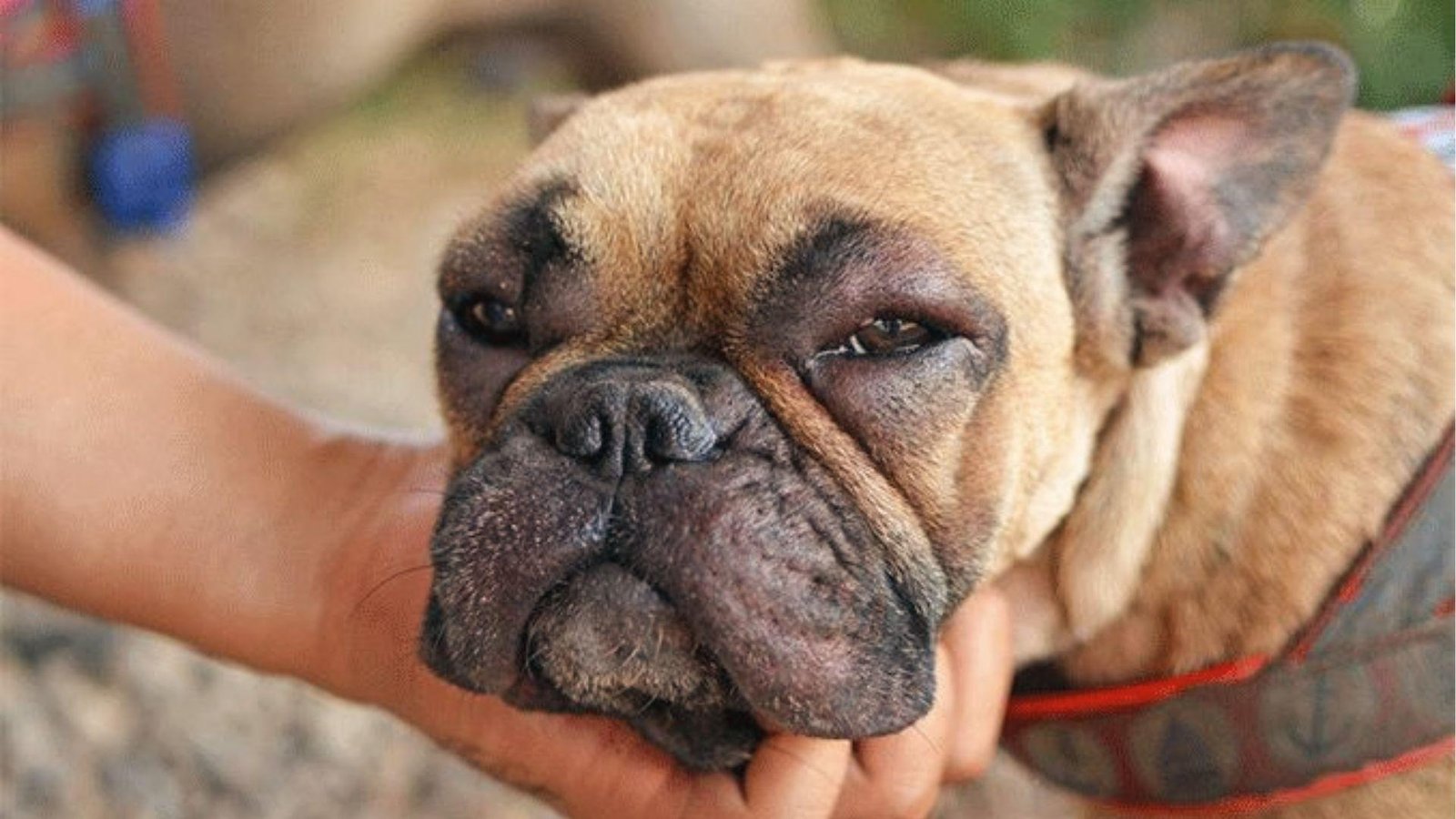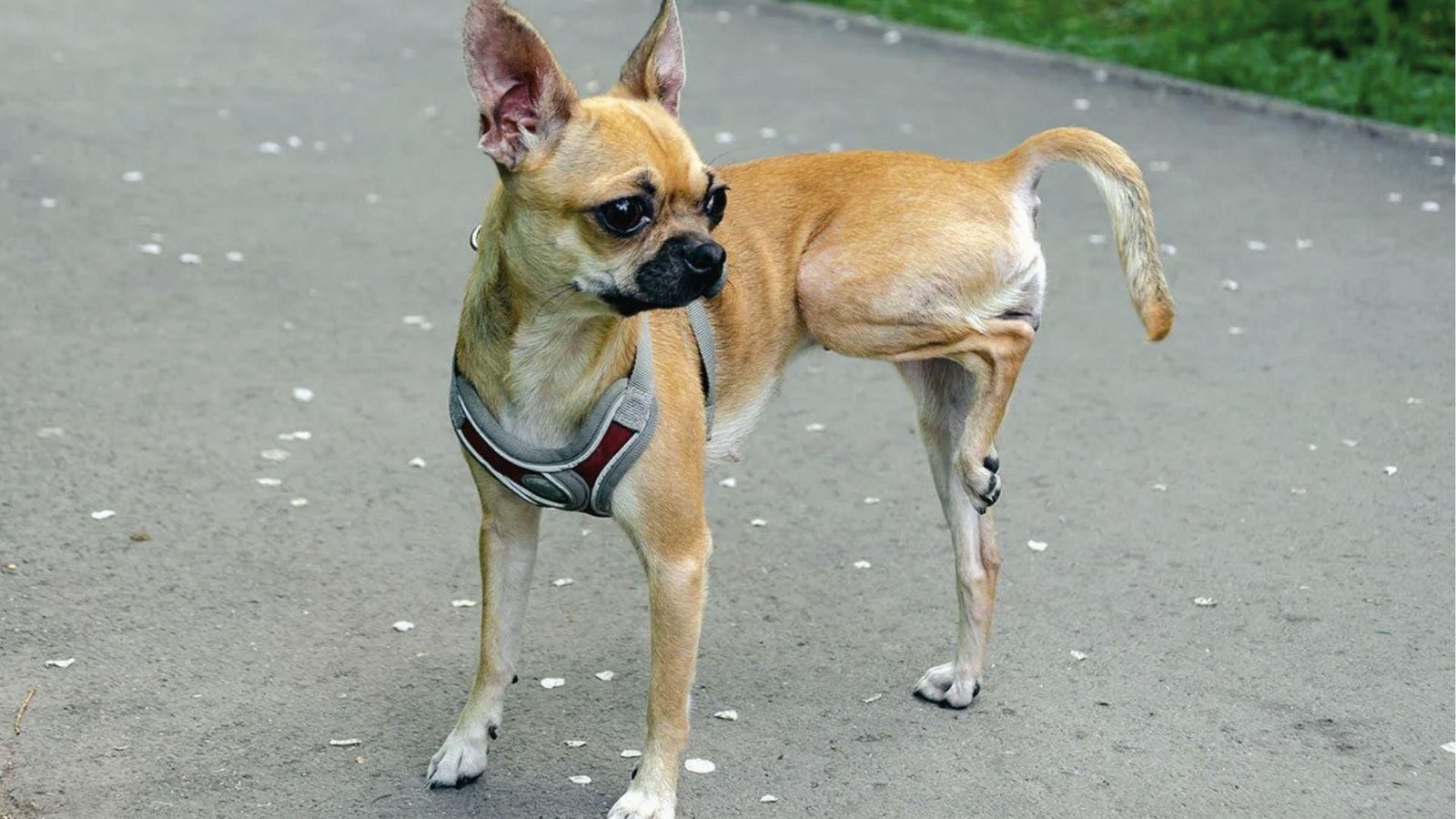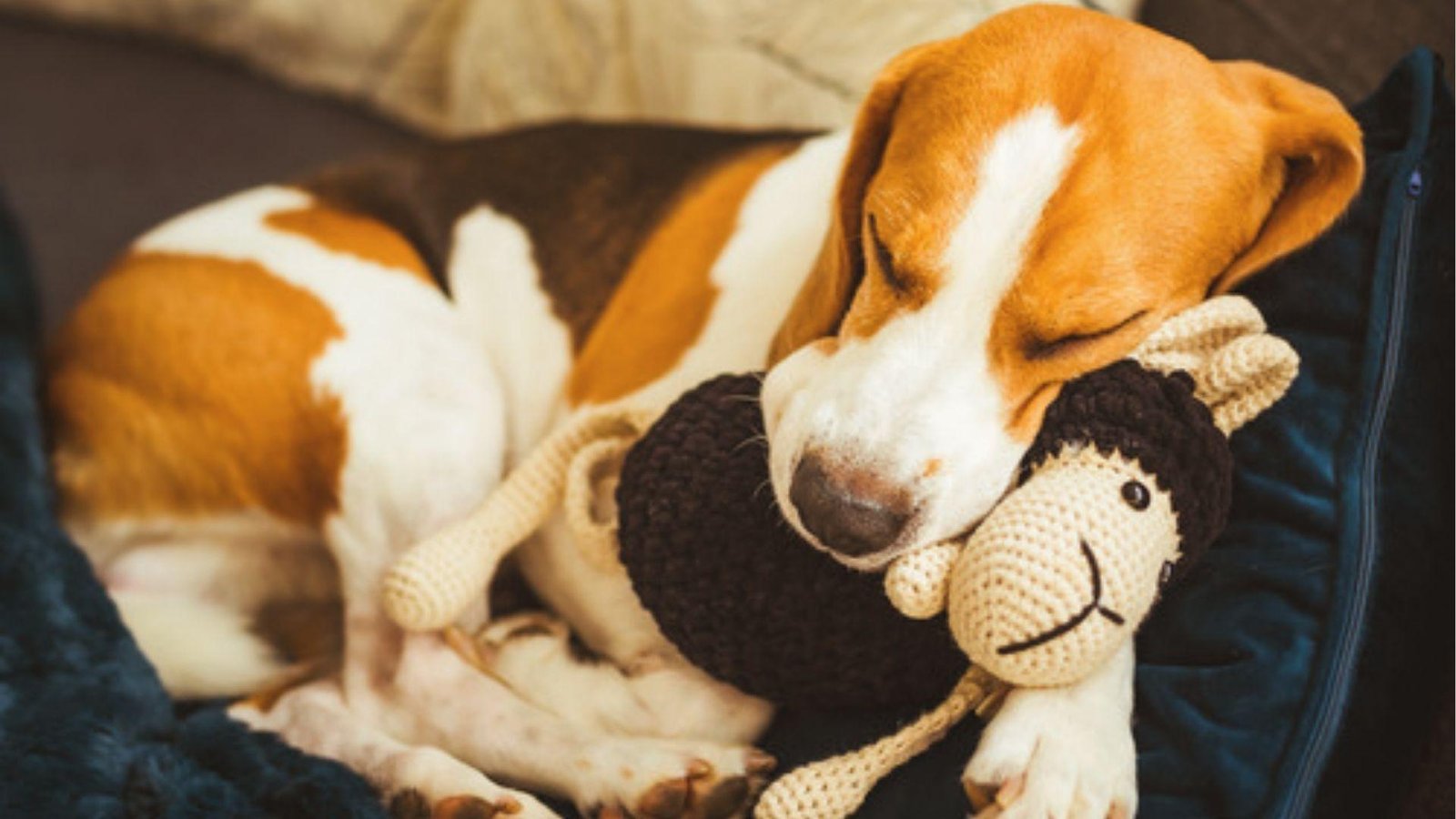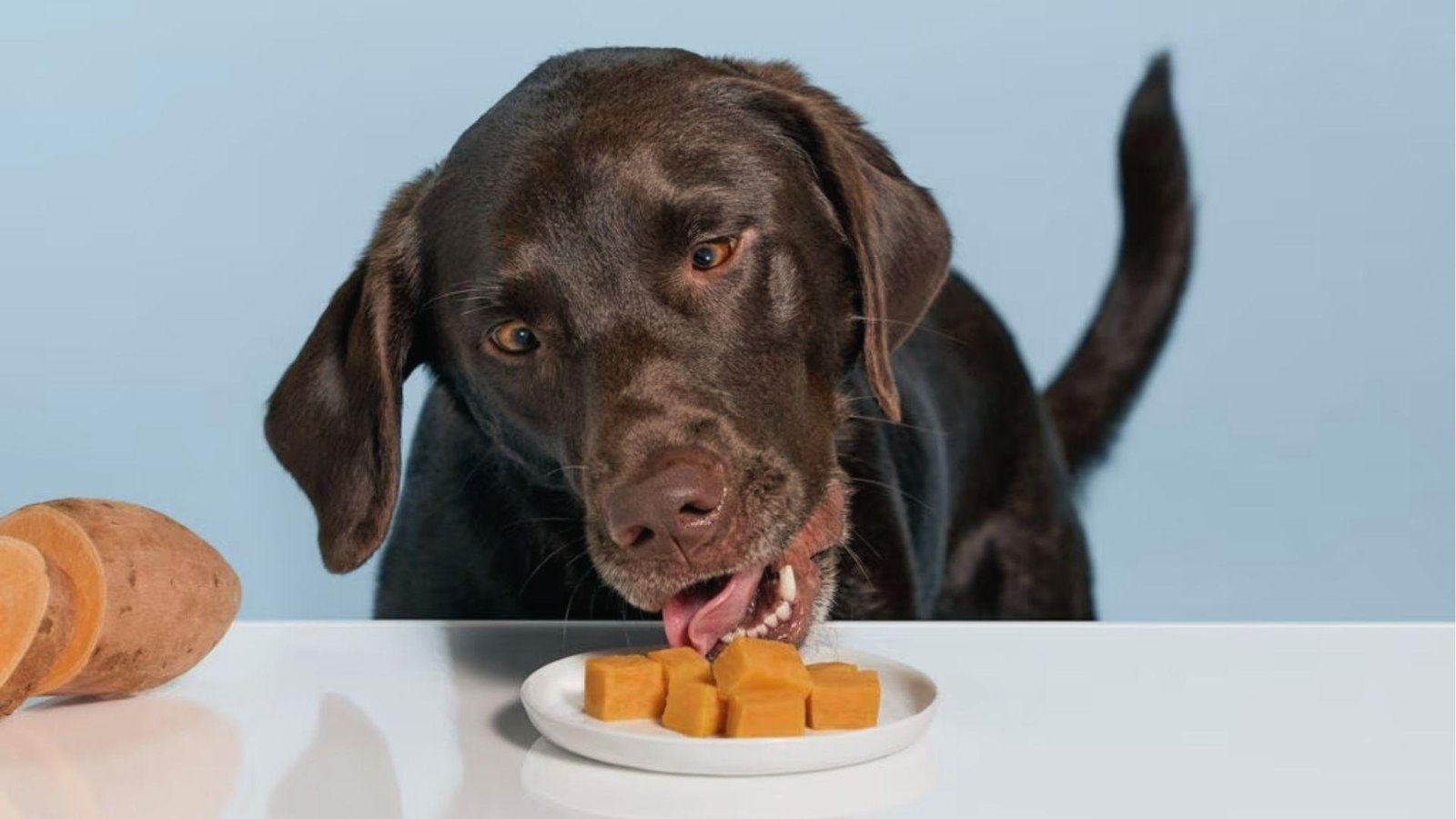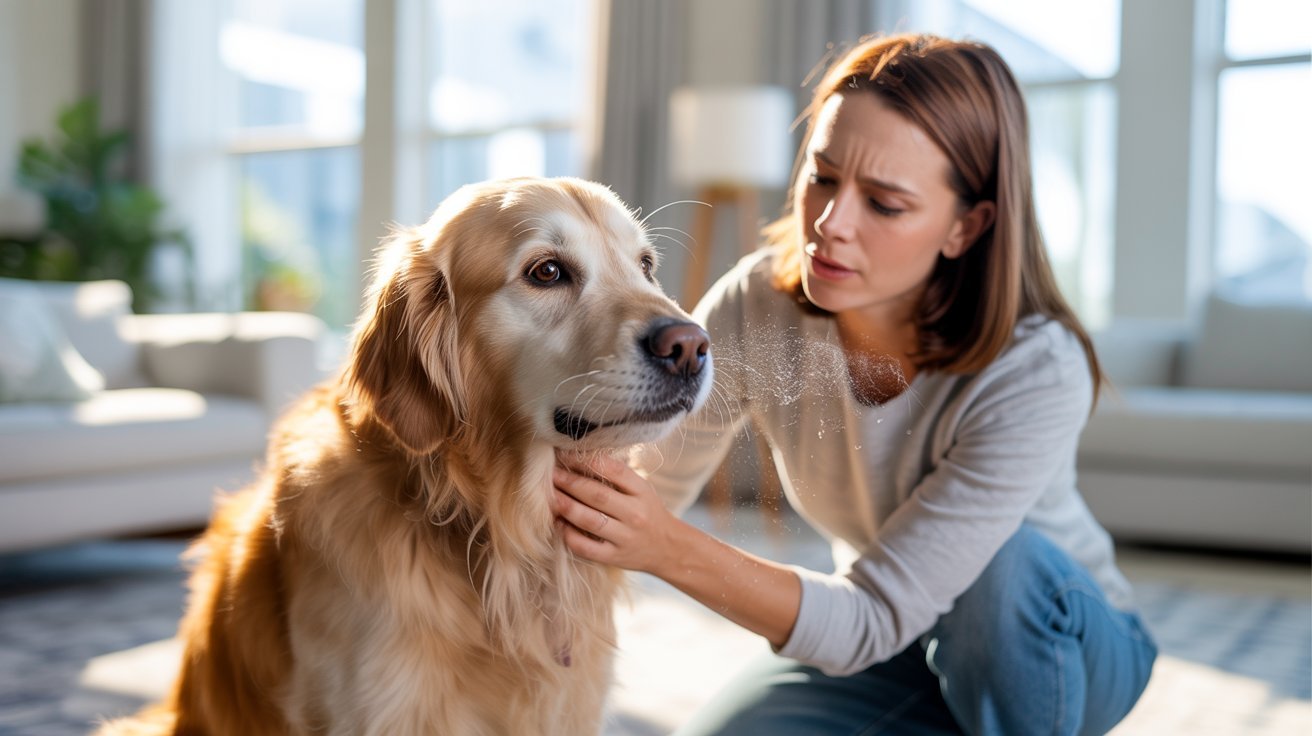

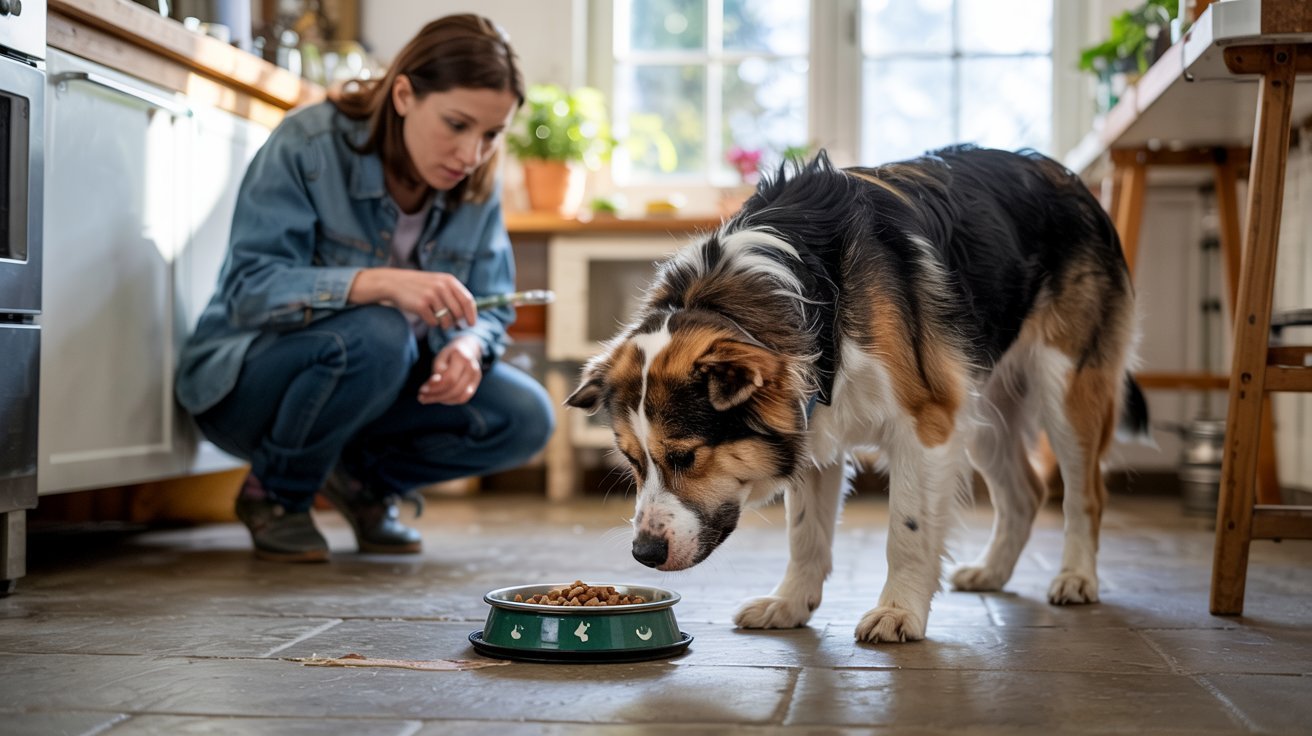
I put the bowl down. My dog sniffed it once and walked away. No interest, no excitement, just nothing.
That moment made me realize how little I actually knew about dog appetite. And honestly, it scared me a little.
If you're asking why is my dog not eating, I want you to know this blog was written with that exact worry in mind.
I've gone through the research, talked to vet sources, and pulled together what actually matters. Some reasons are simple. Some need fast action.
By the end of this, you'll know exactly what to look for and what to do next.
Quick Overview: Why Your Dog May Suddenly Stop Eating
Appetite loss in dogs usually falls into three categories: medical, behavioral, or environmental. Knowing which one you're dealing with makes a big difference.
Not every case is an emergency. A dog skipping one meal on a hot day is very different from a dog refusing food for two days straight while also vomiting.
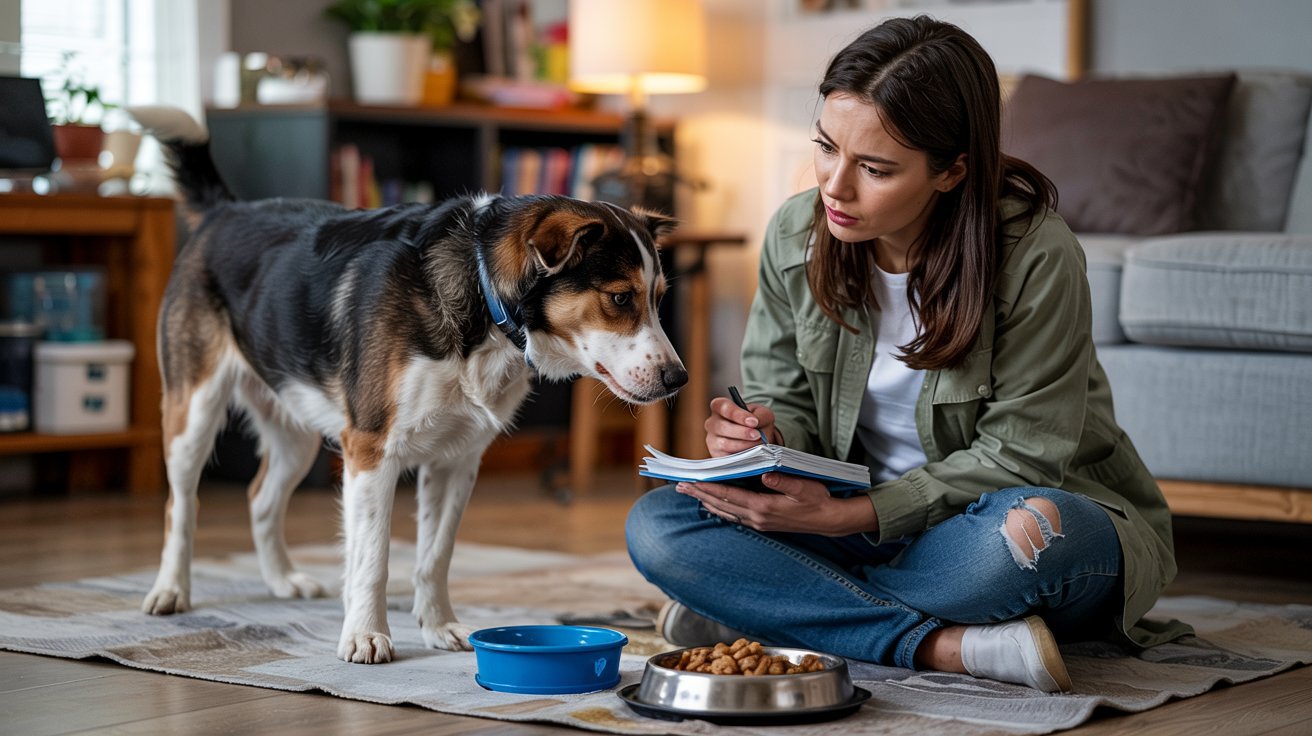
What matters most is the pattern. Is this a one-time thing or is it happening daily? Is your dog still drinking water? Are they active and alert, or are they tired and withdrawn?
These small observations can tell you a lot before you even call the vet.
Common Reasons Why Is My Dog Not Eating (9 Key Causes)
There's rarely just one answer. Here are the nine most common reasons your dog may be turning away from the food bowl.
1. Illness or Infection
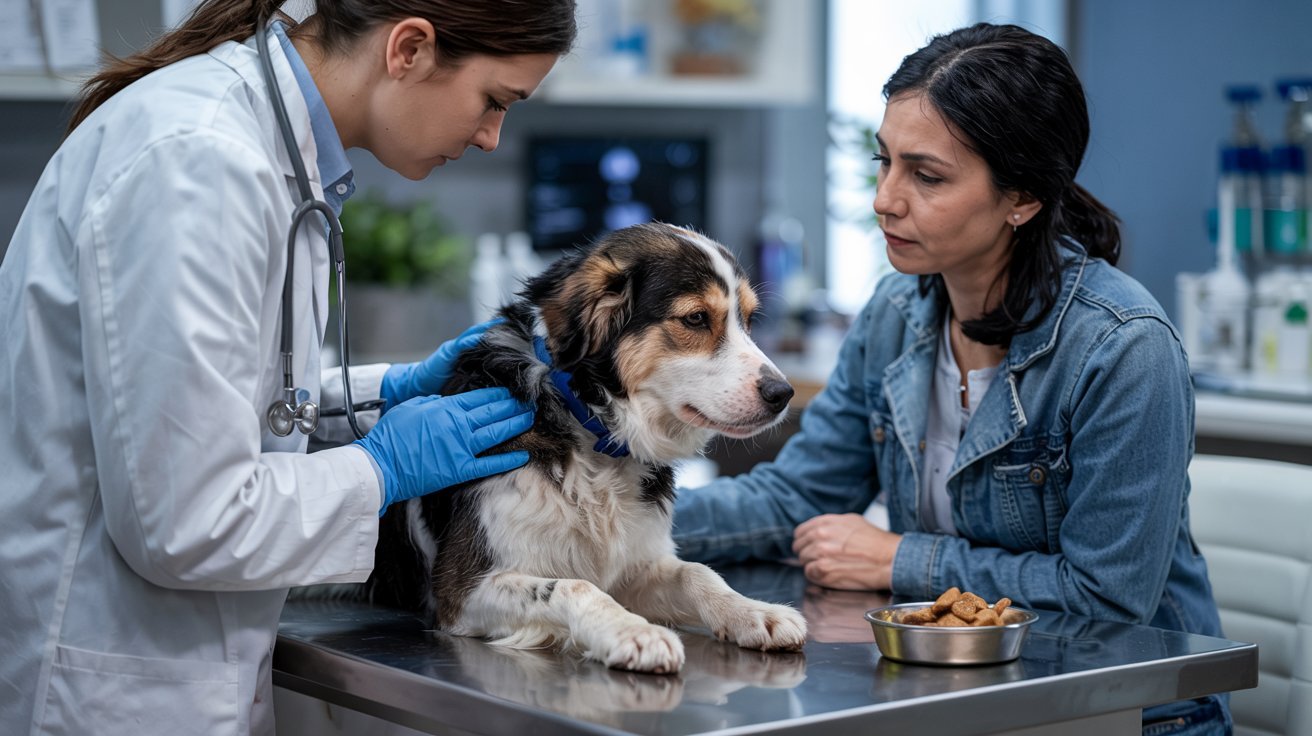
When a dog is sick, eating becomes the last thing on its mind. Viral and bacterial infections, as well as internal issues, can kill appetite fast.
You'll usually notice other signs too. Lethargy, fever, vomiting, or just a general "off" energy. If your dog looks unwell alongside not eating, that's a clear signal.
Don't wait too long in this case. Infections can get worse quickly, especially in younger or older dogs.
2. Dental Problems or Mouth Pain
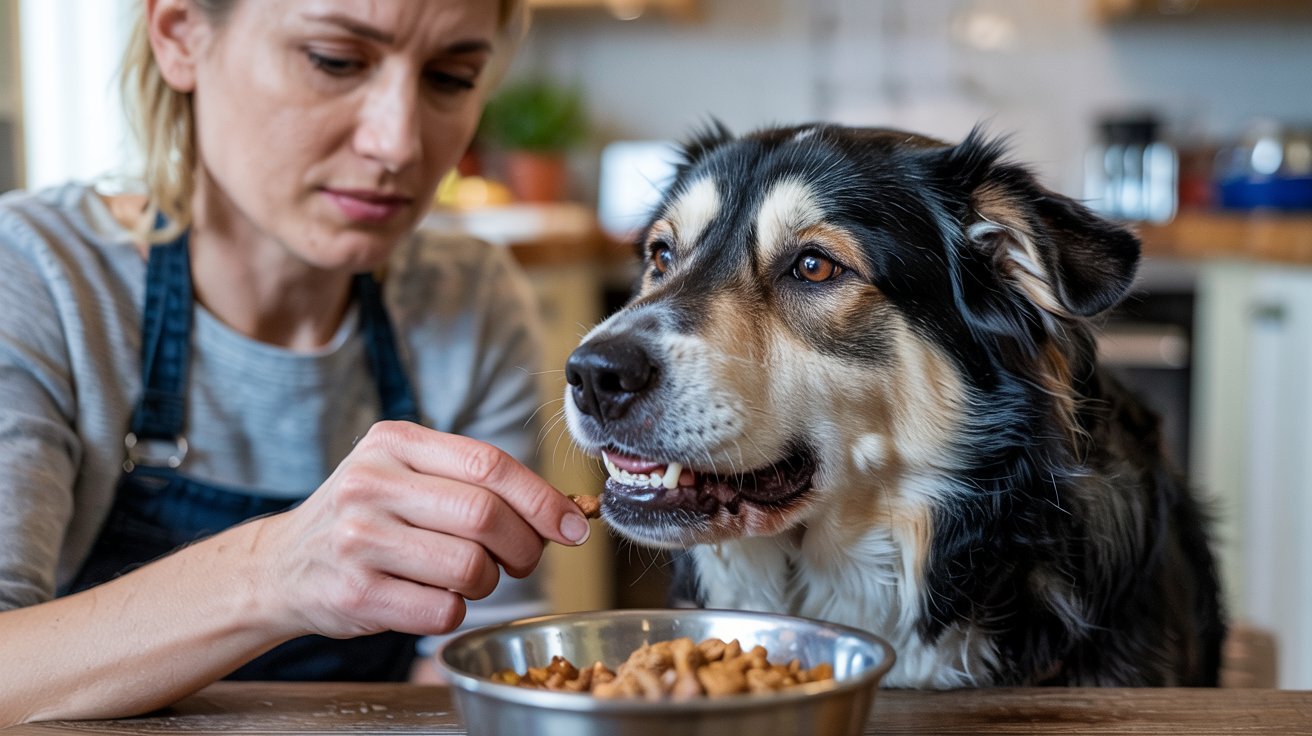
Your dog might actually want to eat but can't. Broken teeth, swollen gums, or mouth infections make chewing painful.
Watch how your dog approaches the bowl. If they sniff the food, show interest, but then back away, pain could be the reason.
Check their mouth if you can. Look for swelling, redness, or anything that looks off. A vet can confirm it with a proper check.
3. Stress, Anxiety, or Environmental Changes
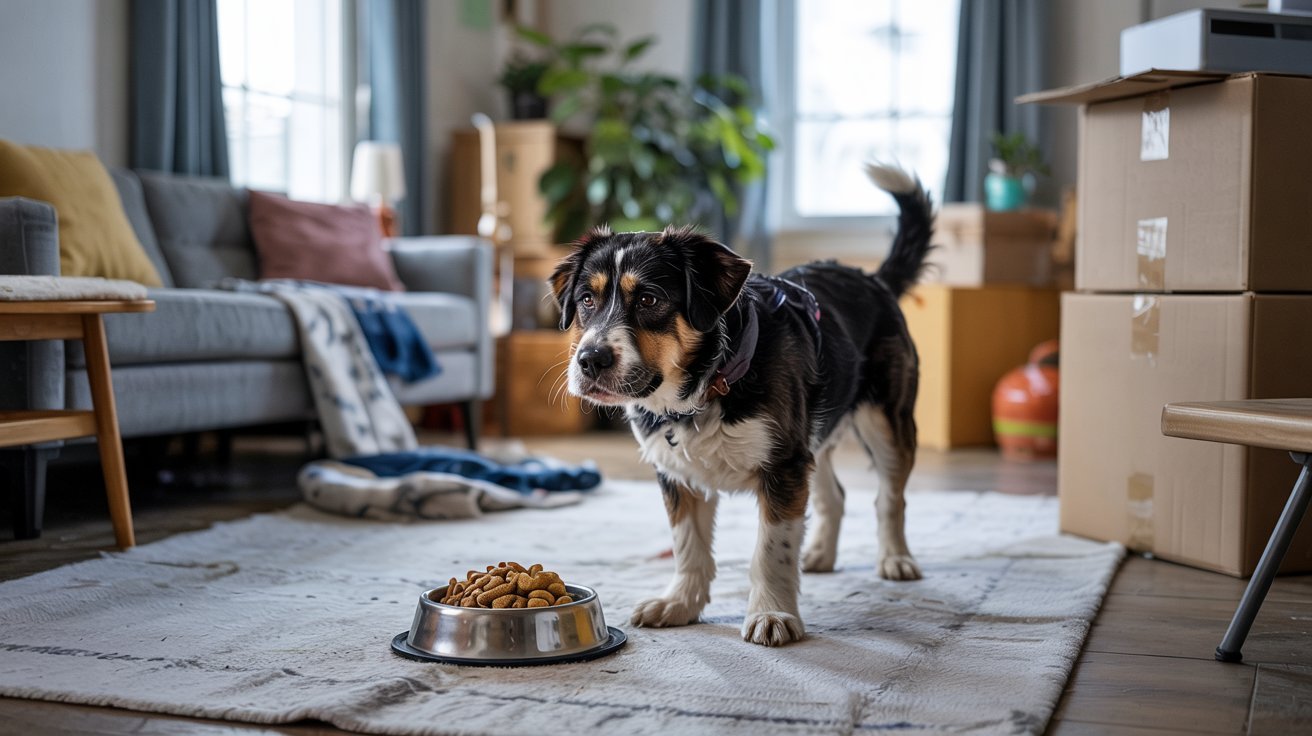
Dogs are creatures of habit. Moving to a new home, bringing in a new baby or pet, loud construction nearby, even rearranging furniture can throw them off.
Emotional stress affects eating just like it does in people. A dog dealing with anxiety may eat less or skip meals completely.
If a big change happened recently, that could easily be the answer to why is my dog not eating his food right now.
4. Sudden Change in Food or Diet
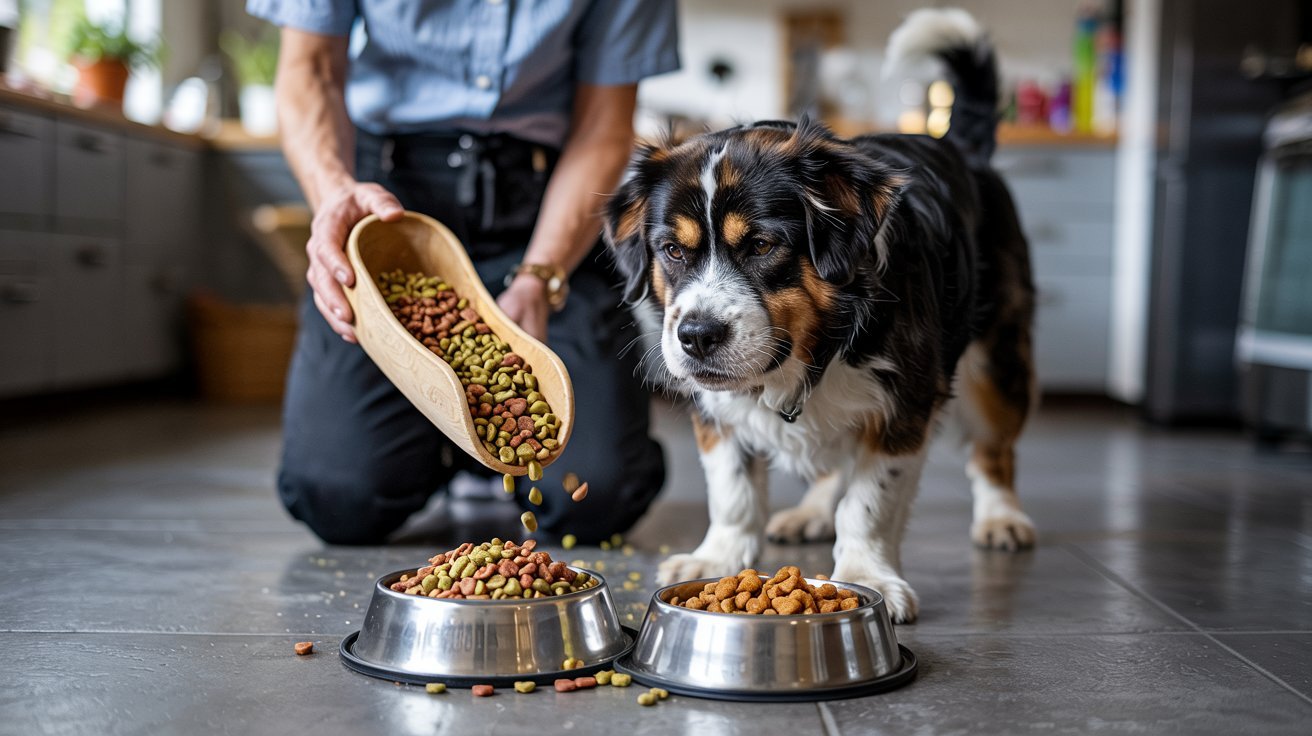
Switching your dog's food overnight is a common mistake. Dogs have sensitive digestive systems, and a sudden change in brand, flavor, or formula can cause rejection.
Some dogs refuse the new food because it smells or tastes different. Others eat it but then get an upset stomach and stop on their own.
Always transition slowly. Mix the new food in gradually over 7 to 10 days.
5. Spoiled or Unappealing Food
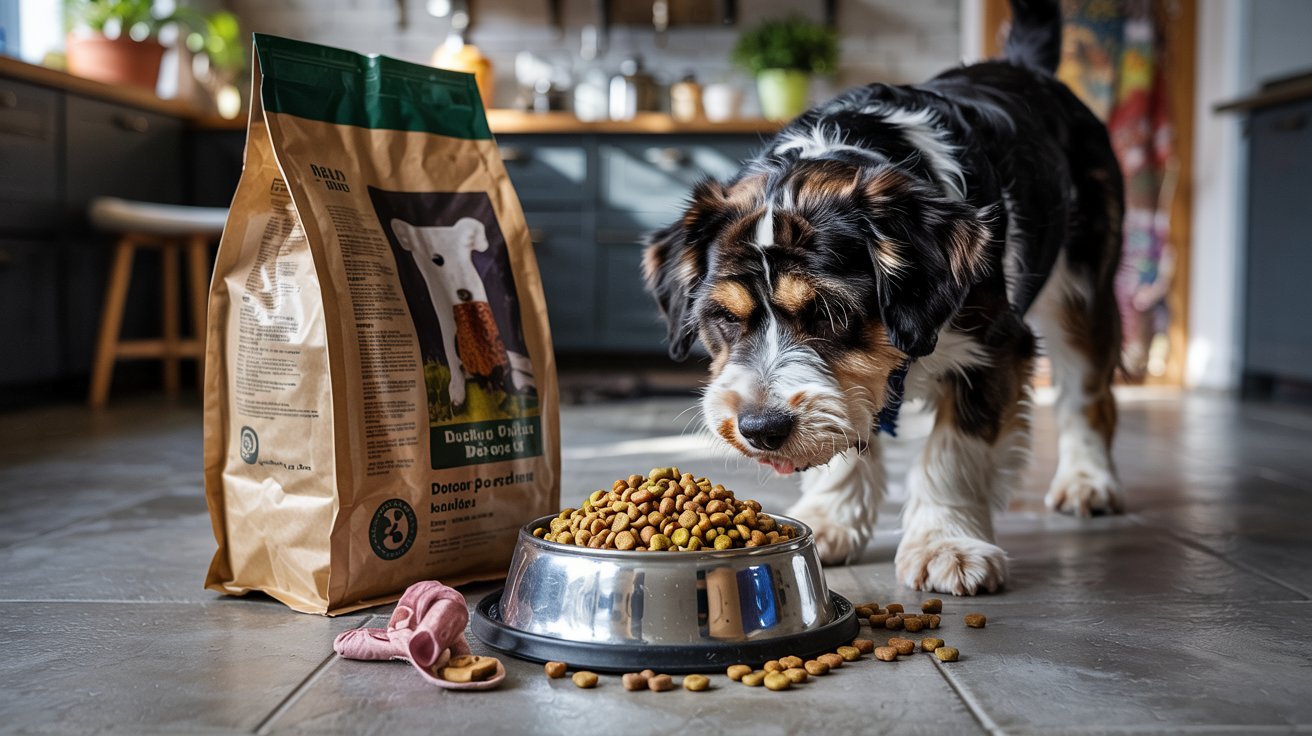
Dogs have a strong sense of smell. If the kibble has gone stale, been stored in a warm place, or the bag has been open too long, your dog will notice before you do.
Check the expiry date. Make sure the bag is sealed properly after every use. Wet food left out for more than a couple of hours can also go bad quickly.
Sometimes it's not your dog. It's the food.
6. Recent Vaccination or Medication Side Effects
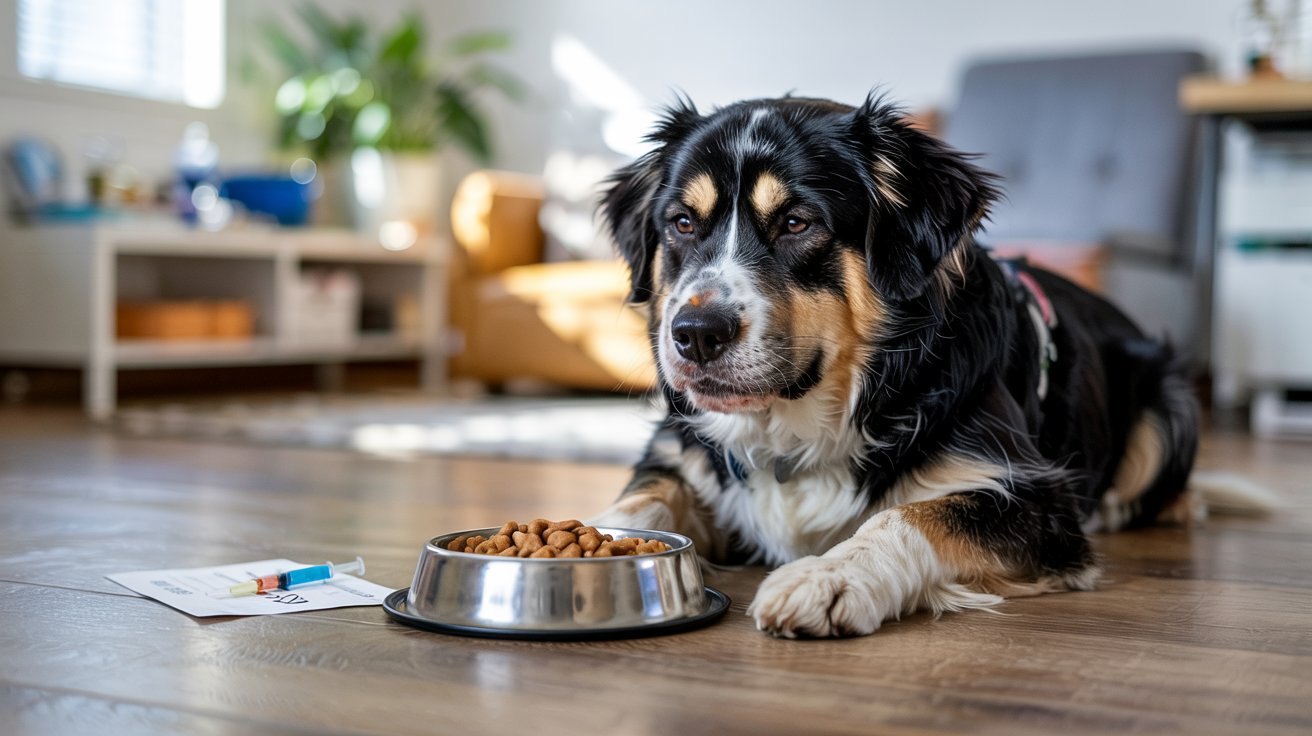
After a vaccine or a new medication, it's normal for a dog to lose appetite for a short time. The body is adjusting, and that can cause temporary nausea or tiredness.
This usually sorts itself out within 24 to 48 hours. Keep water available and offer food gently without forcing it.
If it goes beyond two days, or if other symptoms show up, call your vet.
7. Weather or Heat-Related Appetite Drop
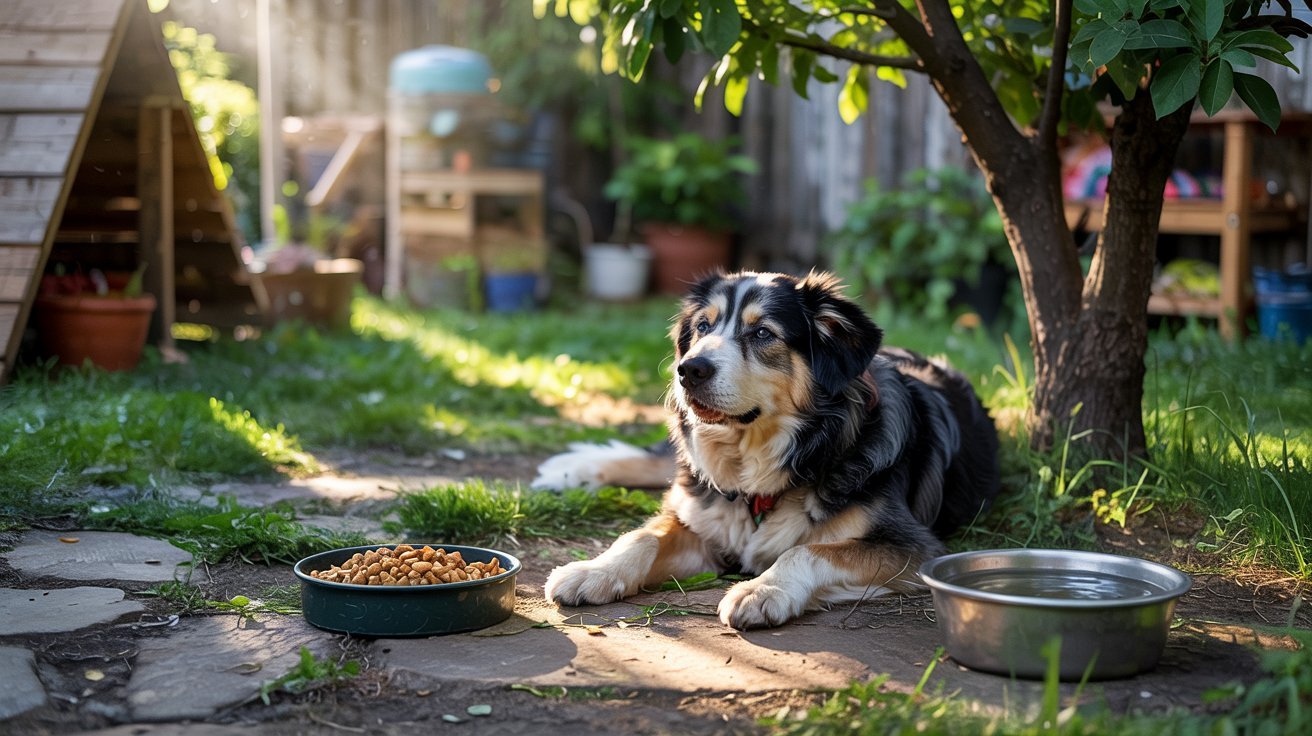
Hot weather affects dogs more than most people realize. Just like we eat less when it's humid and hot outside, dogs do too.
During summer months, your dog may eat smaller portions or skip meals on particularly warm days. This is generally normal, as long as they're still drinking water.
Make sure they stay hydrated and are not showing any other signs of heat-related illness.
8. Picky Eating or Learned Behavior
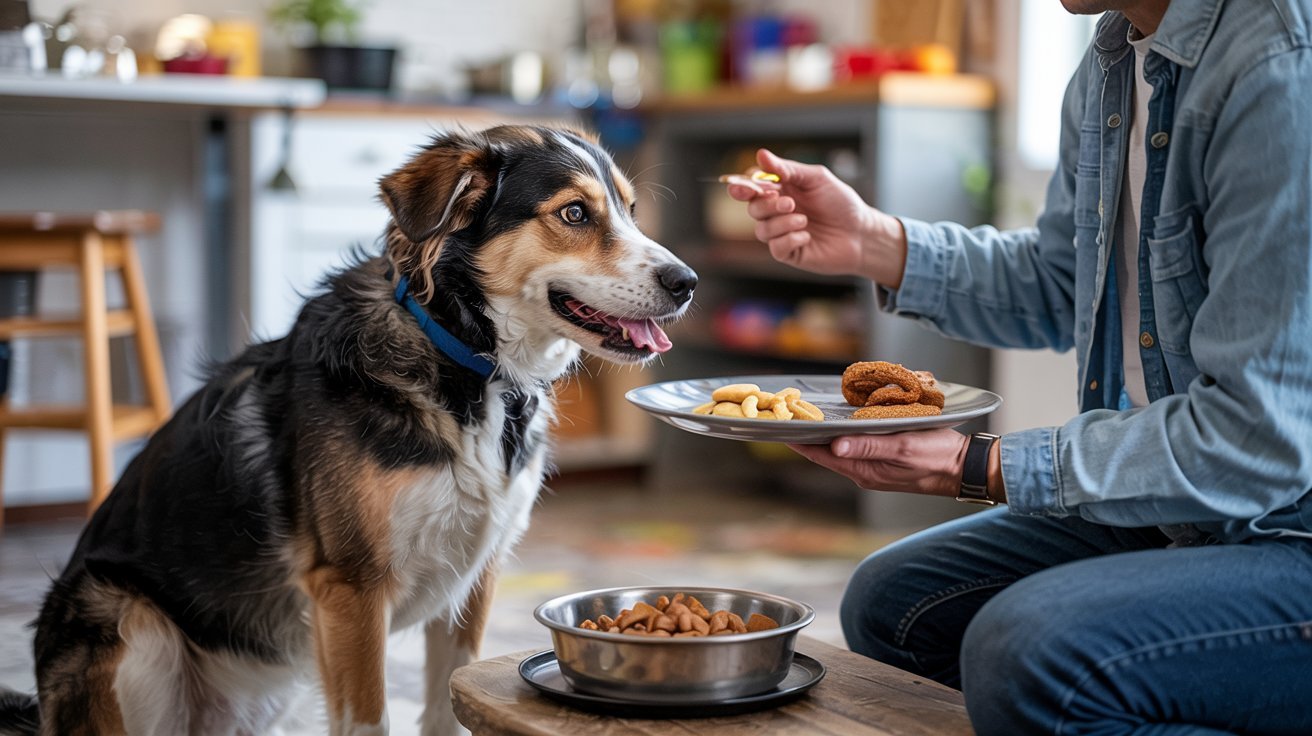
Some dogs figure out quickly that if they refuse their regular food, they get something better. Table scraps, treats, or a different meal.
Over time, this becomes a habit. They're not sick. They're just holding out for something tastier.
If your dog is otherwise healthy, alert, and energetic, this is likely a behavioral thing. Sticking to a consistent feeding routine without offering extras usually corrects it.
9. Underlying Serious Health Conditions
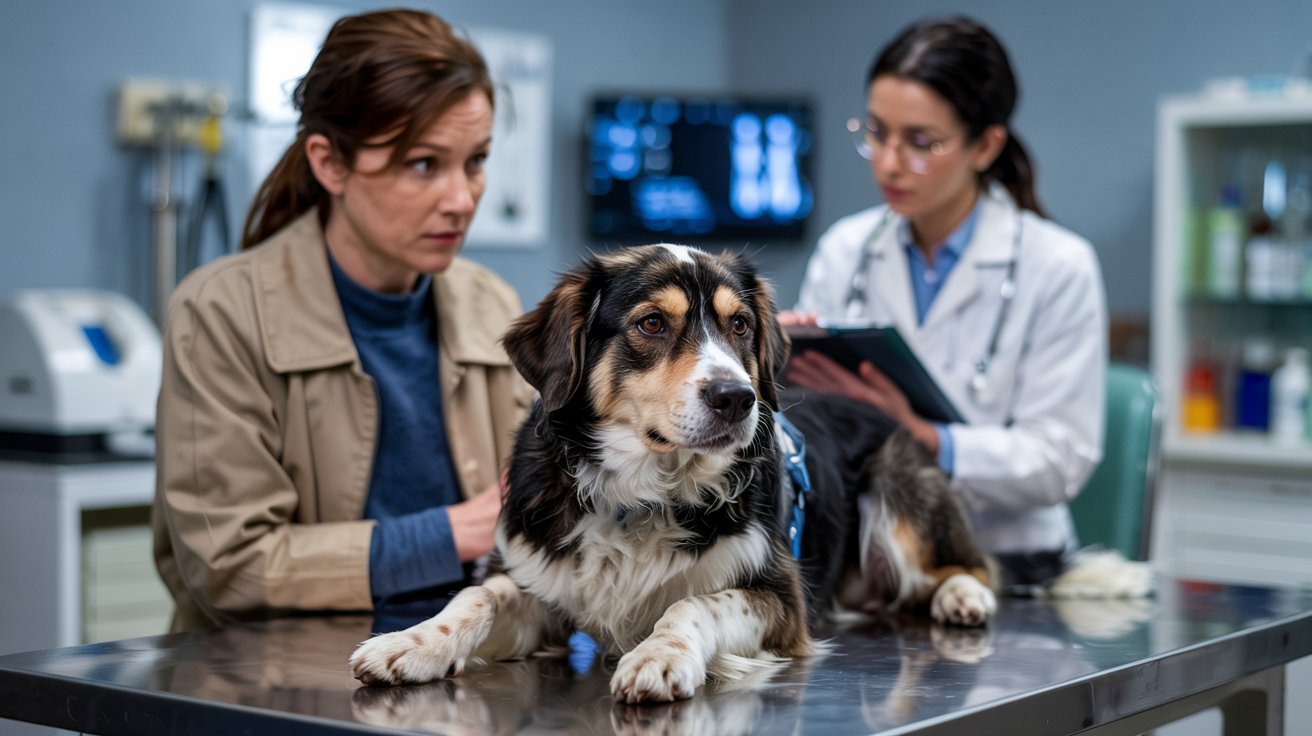
Sometimes the reason is more serious. Conditions like kidney disease, liver problems, pancreatitis, or hormonal imbalances can all cause appetite loss.
These conditions often come with other signs, weight loss, repeated vomiting, excessive thirst, or weakness. They don't usually appear out of nowhere.
If your dog has been eating less for a while and other symptoms are piling up, a proper vet check-up is necessary.
When You Should Worry and Visit a Vet
Some situations call for immediate action. If your dog hasn't eaten for more than 24 to 48 hours, that's your cue to call the vet.
Watch for these red flags:
- Refusing both food and water
- Vomiting or diarrhea alongside not eating
- Visible weakness, collapse, or trouble standing
- Pale gums or labored breathing
Puppies, senior dogs, and small breeds are at higher risk. They have less reserve, so things can go downhill faster than with a healthy adult dog.
Early diagnosis almost always leads to better outcomes. Don't wait for things to get worse before taking action.
Conclusion
Every dog has off days. But when those days keep adding up, it's time to pay closer attention.
You now have a solid starting point to figure out why is my dog not eating and what your next step should be.
Trust what you see. You spend more time with your dog than anyone else does.
If this helped you, share it with a fellow dog owner who might need it. And if you're still unsure about your dog's health, leave a comment below. I'd love to help.
Frequently Asked Questions
How Long Can a Dog Go Without Eating?
A healthy adult dog can go about three to five days without food, but that doesn't mean you should wait that long. If your dog hasn't eaten in 24 to 48 hours, it's worth checking in with your vet.
Is It Normal for a Dog to Skip One Meal?
Yes, skipping one meal occasionally is not unusual, especially in hot weather or after a stressful event. Keep an eye on them and offer food again at the next regular feeding time.
What Should I Feed a Dog That Refuses to Eat?
Try offering bland, easy-to-digest foods like plain boiled chicken and white rice. Avoid adding seasonings, and only use this as a short-term option while you figure out the root cause.
Can Stress Really Make a Dog Stop Eating?
Absolutely. Dogs are sensitive to changes in their environment and routine, and anxiety can directly affect their appetite. Once the stressor is removed or they adjust, eating usually returns to normal.
When Should I Take My Dog to the Vet for Not Eating?
Take your dog to the vet if they haven't eaten for more than 48 hours or if the lack of appetite comes with vomiting, diarrhea, weakness, or refusing water. Puppies and senior dogs need attention even sooner.