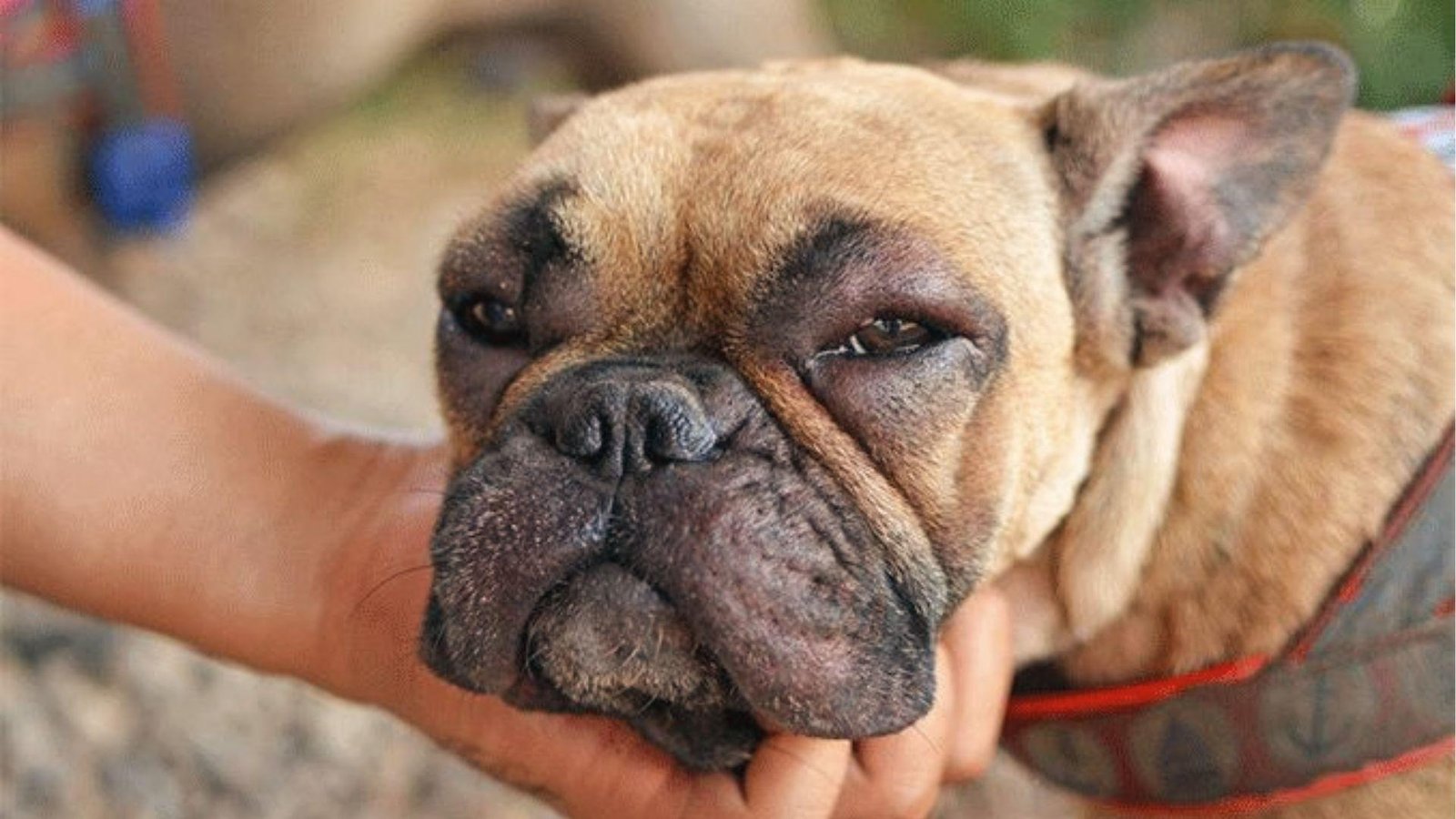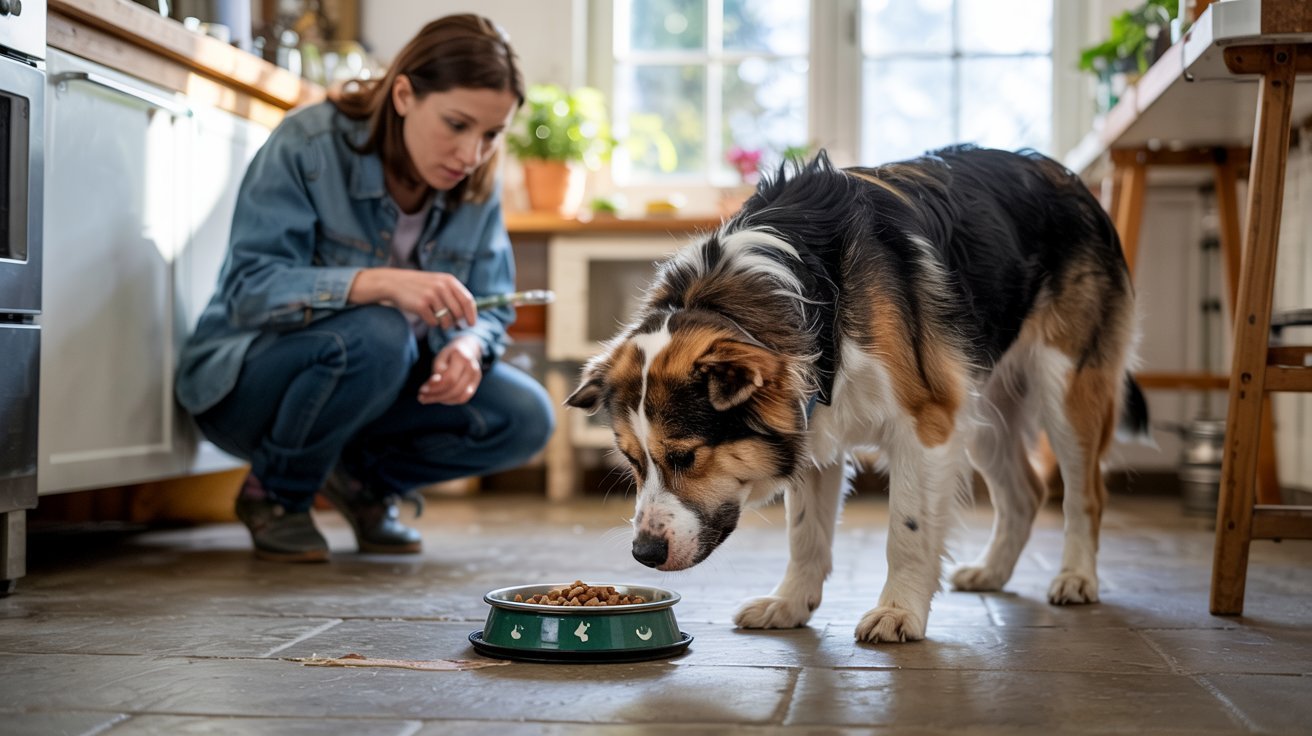

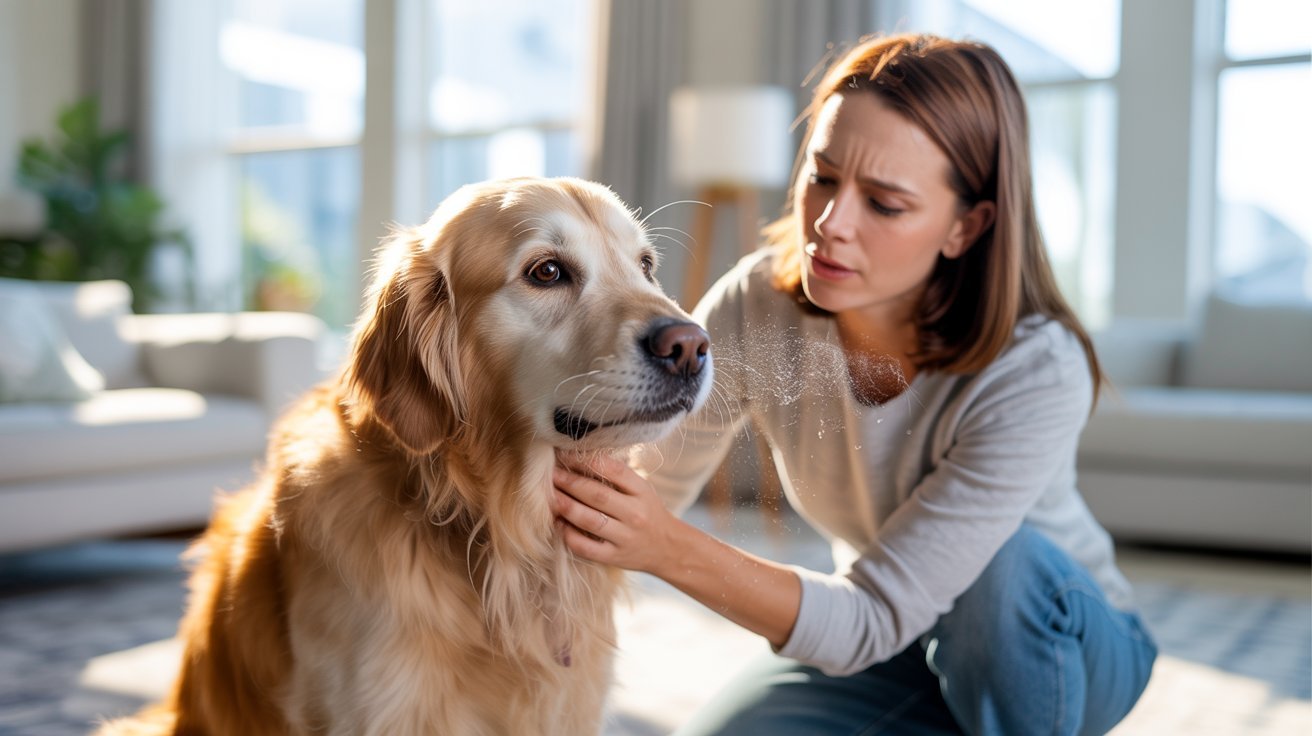
If your dog has been sneezing more than usual, you are probably wondering what is going on.
Is it just dust? Is it something serious? As a dog owner, it is natural to feel concerned when something feels off with your pet.
The truth is, sneezing can mean different things depending on how often it happens and what comes with it. A quick sneeze during play is nothing to worry about.
But repeated sneezing fits, nasal discharge, or low energy are signs that need a closer look.
This blog walks you through the most common causes, clear warning signs, and practical steps you can take to help your dog feel better.
What Does It Mean When a Dog Is Sneezing a Lot?
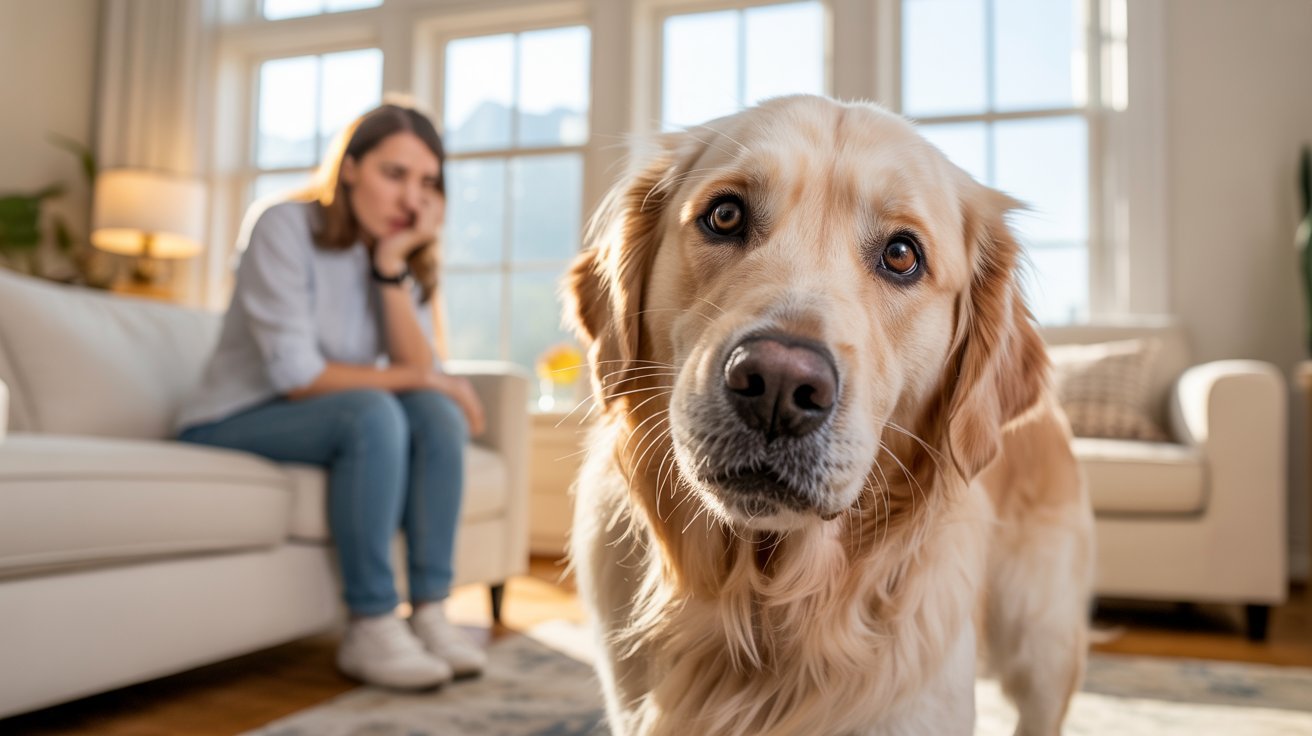
Sneezing once in a while is completely normal for dogs. Dust, grass, or a burst of excitement during play can trigger a quick sneeze.
But when your dog sneezes repeatedly or has frequent sneezing fits, it may point to something worth checking.
Pay attention to how often it happens and when it started. A sudden onset is different from sneezing that builds over time.
Sneezing paired with other symptoms like discharge or lethargy needs more attention than sneezing alone.
Common Reasons Dogs Sneeze a Lot
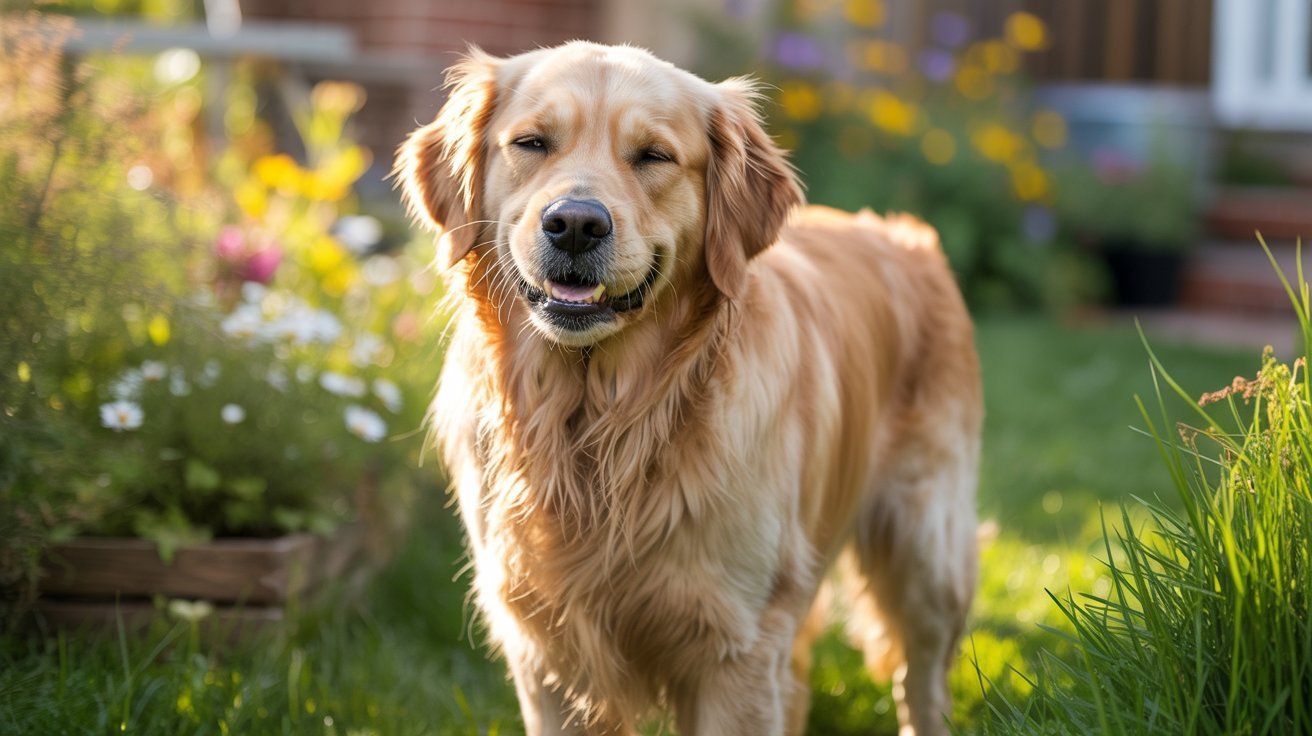
Dogs sneeze for many reasons, ranging from something simple like dust to more serious issues like infections.
Knowing the difference helps you decide when to wait it out and when to call the vet.
Environmental Triggers
Dust, pollen, smoke, strong perfumes, and cleaning products are the most frequent culprits. These irritants tickle the nasal passage and cause sneezing.
Seasonal allergies can also flare up during certain times of the year, leading to repeated sneezing with no other major symptoms.
Play or Excitement Sneezing
Some dogs sneeze during play or when they get overly excited. This is actually a form of social communication.
It signals that the play is friendly and fun. These sneezing bursts are short and stop on their own without any treatment needed.
Reverse Sneezing Episodes
Reverse sneezing sounds like a loud snort or honk and can look alarming. The dog pulls air in sharply instead of pushing it out.
Excitement, eating too fast, or mild irritants often trigger it. It usually passes within seconds and is not harmful.
Foreign Objects in the Nose
Grass seeds, dirt, or small debris can get stuck inside a dog's nostril during outdoor activity. This causes sudden and intense sneezing as the dog tries to clear the blockage.
If the sneezing does not stop, a vet visit is necessary to remove the object safely.
Nasal Infections and Respiratory Illness
Bacterial, viral, or fungal infections can cause frequent sneezing along with nasal discharge and low energy.
The dog may seem unwell overall. These conditions do not clear up on their own and usually need a proper diagnosis and treatment from a vet.
Allergies and Chronic Irritation
Some dogs deal with ongoing sneezing caused by allergies to food, pollen, mold, or dust. This often comes with itchy eyes or irritated skin.
The pattern may follow seasons or stay consistent year-round, pointing to a chronic sensitivity that needs proper management.
Dog Sneezing a Lot — When Is It Normal?

Not every sneezing spell calls for a vet visit. Sometimes the cause is right in front of you, and your dog is otherwise acting completely fine.
Mild Sneezing You Can Monitor at Home
If your dog sneezes occasionally but is still eating well, playing normally, and showing no signs of discomfort, there is likely nothing serious going on.
Sneezing without any other symptoms is usually the body's way of clearing a minor irritant from the nose.
Home Triggers You Can Identify
Take a look at what changed recently in your dog's environment. A new cleaning spray, air freshener, or scented candle could be the cause.
Outdoor walks during high pollen days can also lead to temporary sneezing. These triggers are common and usually short-lived. Once the irritant is removed or the exposure ends, the sneezing tends to stop on its own.
When Dog Sneezing a Lot Becomes a Concern
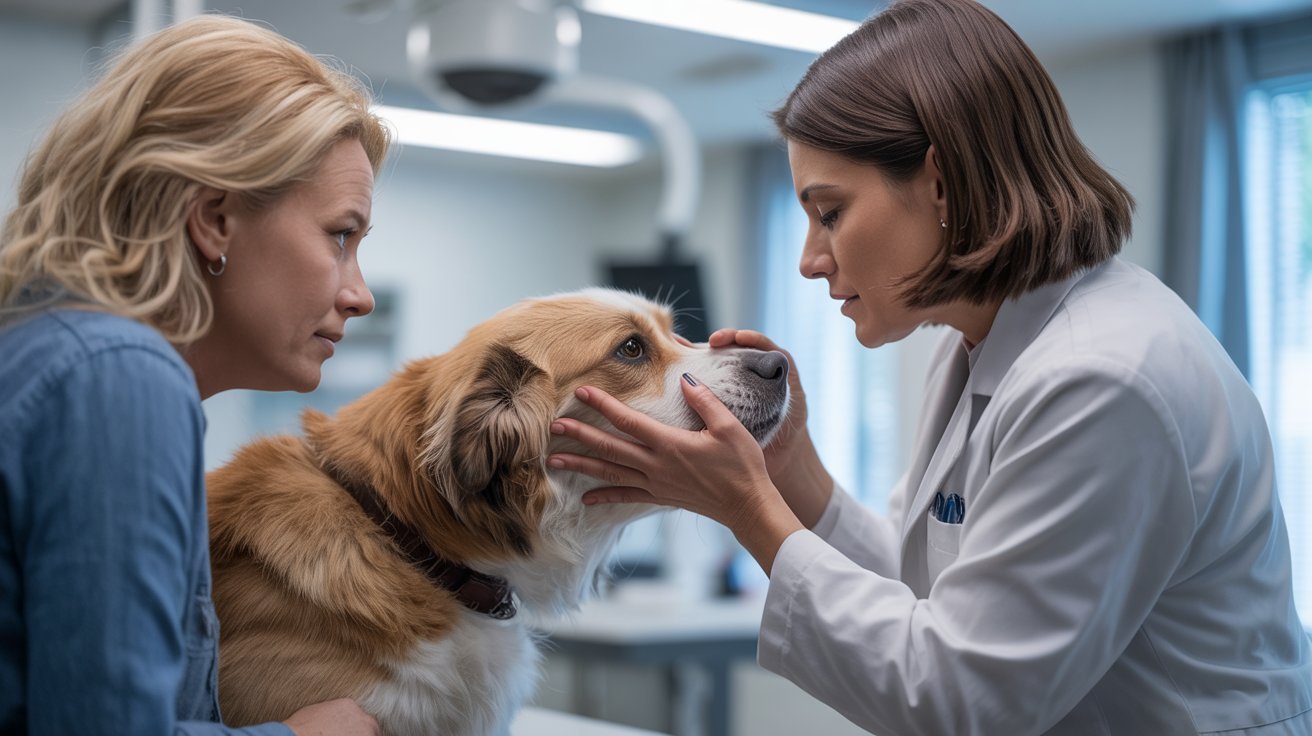
Most sneezing is harmless, but certain signs mean it is time to act.
If your dog has sneezing fits that keep going without a break, notice blood or thick colored discharge from the nose, loses interest in food, or keeps pawing at their face, get a vet appointment soon.
Some signs need immediate attention. Trouble breathing, heavy nosebleeds, or sudden collapse are emergencies.
Do not wait on these. Get your dog to a vet or emergency clinic right away.
What You Can Do at Home for Mild Sneezing
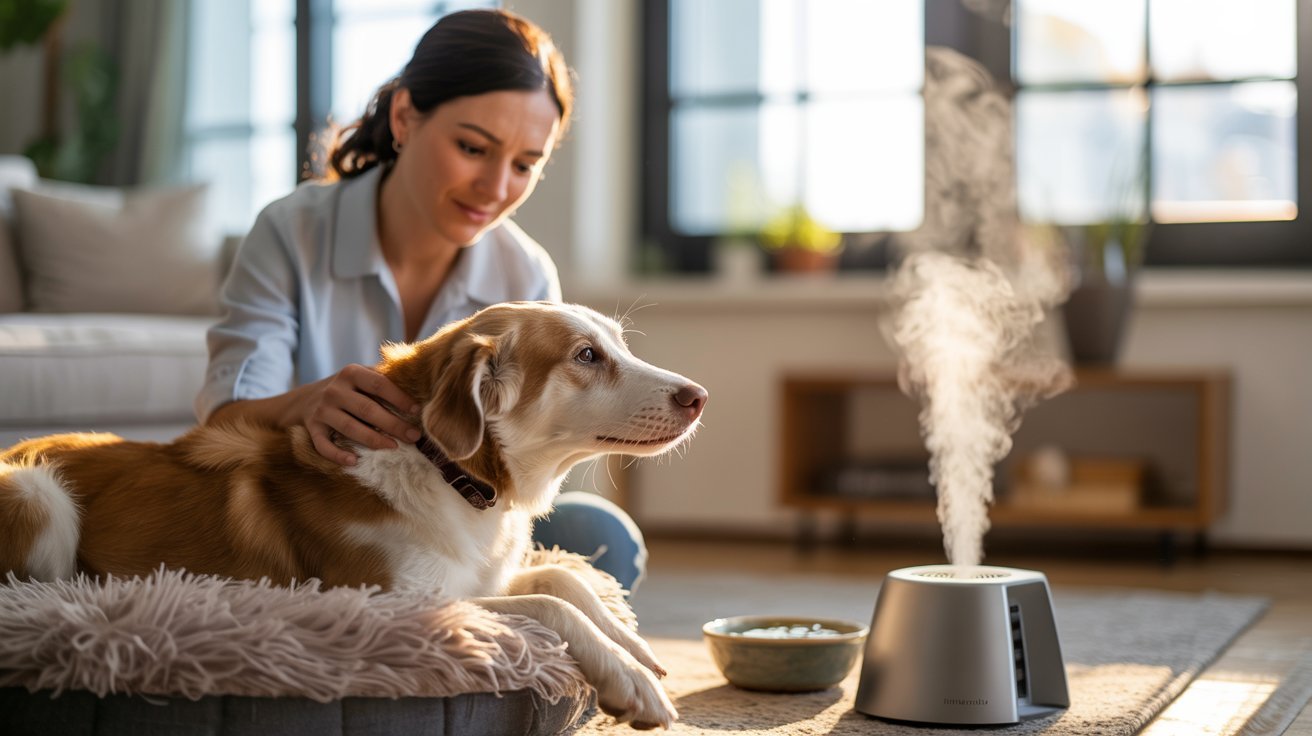
Simple steps at home can ease mild sneezing and help you spot when something more serious is developing.
Reduce Environmental Irritants
Start by checking what your dog is regularly exposed to indoors. Avoid using strong sprays, scented candles, smoke, or heavy cleaning products near your dog.
Switching to fragrance-free products and keeping the space well ventilated can make a real difference in reducing nasal irritation.
Supportive Care for Comfort
A little steam from a hot shower or a cool mist humidifier can help soothe your dog's nasal passages.
Keep your dog calm and make sure they are drinking enough water. Rest and hydration go a long way when mild irritation is the cause.
Monitoring Symptoms Over Time
Keep a simple note of how often your dog sneezes and at what times of day. Write down any changes in behavior, appetite, or energy.
This record becomes very useful when speaking to a vet. If new symptoms appear alongside the sneezing, that is a clear sign to stop waiting and seek advice.
How Vets Diagnose Frequent Sneezing
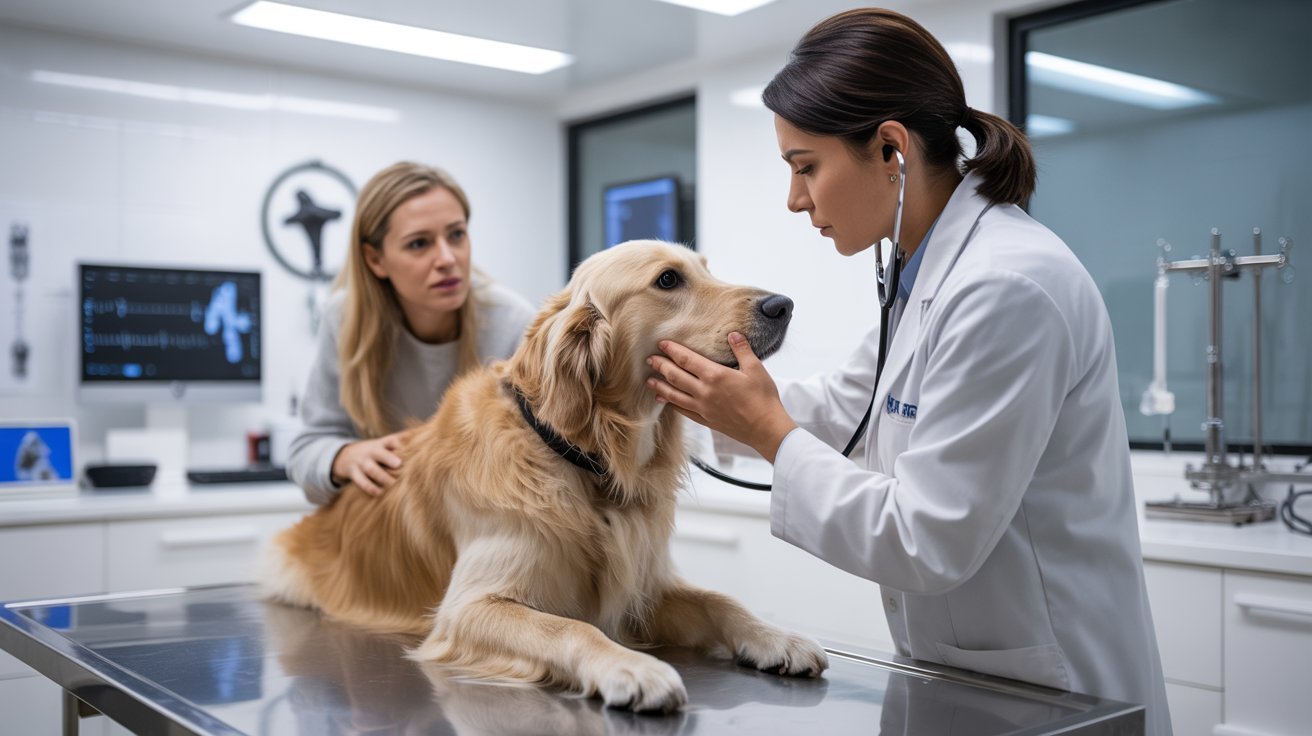
When you visit the vet, they will start with a physical exam and ask about your dog's symptoms, how long the sneezing has been happening, and any recent changes at home.
Based on that, they may test for allergies, bacterial infections, or fungal conditions.
If they suspect a blockage or nasal abnormality, they may use imaging or perform a closer nasal examination.
These steps help pinpoint the exact cause so the right treatment can begin.
How to Prevent Frequent Sneezing in Dogs
- Keep your home free from strong chemicals, smoke, and heavy fragrances to reduce nasal irritation in your dog.
- Switch to fragrance-free cleaning products and make sure indoor spaces stay well ventilated at all times.
- Avoid walking your dog in high pollen areas during peak seasons to limit outdoor allergy triggers.
- After outdoor play, check your dog's nose and rinse their paws and face if needed.
- Schedule regular vet checkups to catch any developing nasal or respiratory issues early.
Conclusion
Sneezing is something every dog does, but knowing when it is normal and when it is not can make a real difference.
Keep your home clean, watch for warning signs, and trust your instincts as a pet owner. You know your dog better than anyone.
If something feels off, do not wait too long to get it checked. A quick vet visit can save your dog a lot of discomfort.
Have questions or concerns about your dog's health? Drop them in the comments or book a vet consultation today.
Frequently Asked Questions
Why is my dog sneezing so much all of a sudden?
Sudden sneezing is often caused by a foreign object, dust, or a new irritant in your dog's environment. If it does not stop within a few hours, a vet check is a good idea.
Is it normal for dogs to sneeze every day?
Light daily sneezing can be normal, especially in dogs sensitive to dust or pollen. However, if it happens in frequent fits or comes with other symptoms, it needs attention.
Can dog sneezing be a sign of something serious?
Yes, in some cases. Sneezing paired with blood, thick discharge, low energy, or loss of appetite can point to an infection or nasal blockage that needs proper medical care.
Should I take my dog to the vet for sneezing?
Not every sneeze needs a vet visit. But if the sneezing is constant, getting worse over time, or comes with other warning signs, it is always better to get a professional opinion.
Can allergies cause a dog to sneeze a lot?
Yes, dogs can develop allergies to pollen, mold, dust, or certain foods. These allergies often cause repeated sneezing along with itchy eyes or irritated skin throughout the year.