
I still remember the first time I noticed my dog breathing fast while sleeping. My heart dropped.
Was something wrong? Should I wake her up? If you've felt that same panic, you're not alone.
Dog breathing fast while sleeping is one of the most common concerns pet owners bring up.
Sometimes it's completely normal. Other times, it's a sign worth watching closely.
In this article, I'll walk you through the reasons behind fast sleeping breaths, when to stay calm, and when to call your vet.
We'll cover everything from dreaming and REM sleep to heart conditions, breed-specific risks, and warning signs. You can trust that it's based on real vet-backed information.
Why Is My Dog Breathing Fast While Sleeping: Is It Normal or Not?
Fast breathing during sleep does not always mean something is wrong, but knowing the difference matters.
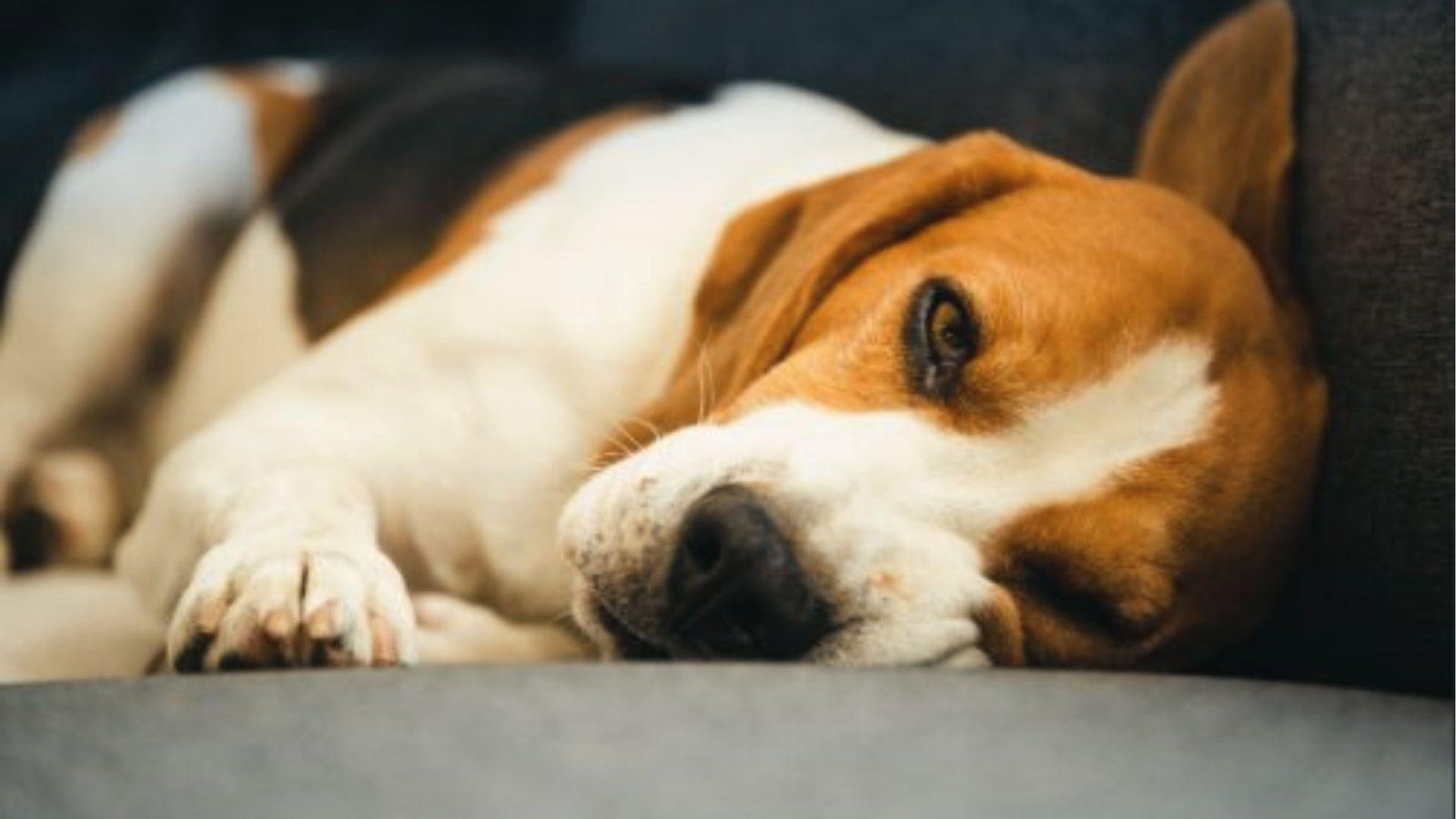
During REM sleep, dogs dream actively, which can cause twitching, soft sounds, and faster breathing.
Puppies breathe faster than adult dogs in general since their respiratory systems are still developing.
Dogs that played hard or spent time in the heat may also breathe quickly as their bodies cool down, and this usually settles within minutes.
The concern starts when fast breathing continues during deep sleep, not just REM.
A resting dog should breathe around 15 to 30 times per minute. Anything consistently above that during sleep needs a closer look.
My Dog Breathing Fast While Sleeping: Common Medical Causes
Several health conditions can cause rapid breathing during sleep, and catching them early can make a real difference.
Heart-Related Conditions
Congestive heart failure is one of the more serious causes. When the heart isn't pumping properly, fluid can build up in or around the lungs.
This reduces the amount of oxygen your dog can take in, which forces them to breathe faster to compensate.
Dogs with heart disease often show faster sleeping breaths before other symptoms appear.
Respiratory Problems
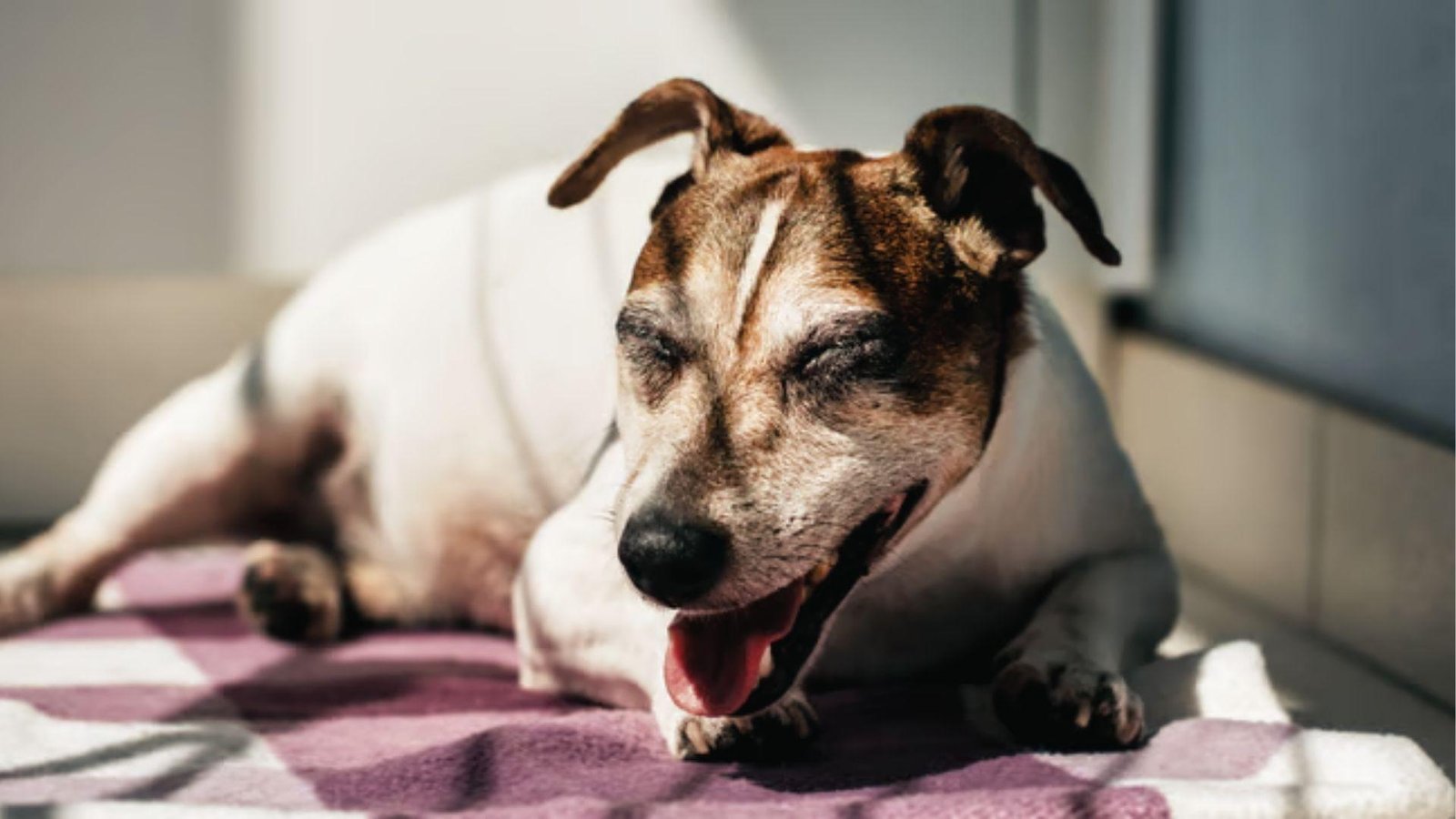
Pneumonia and lung infections cause inflammation that makes breathing harder.
Asthma-like conditions and airway disease can also make each breath less effective, pushing the body to breathe faster to get the same amount of oxygen.
Pain and Internal Discomfort
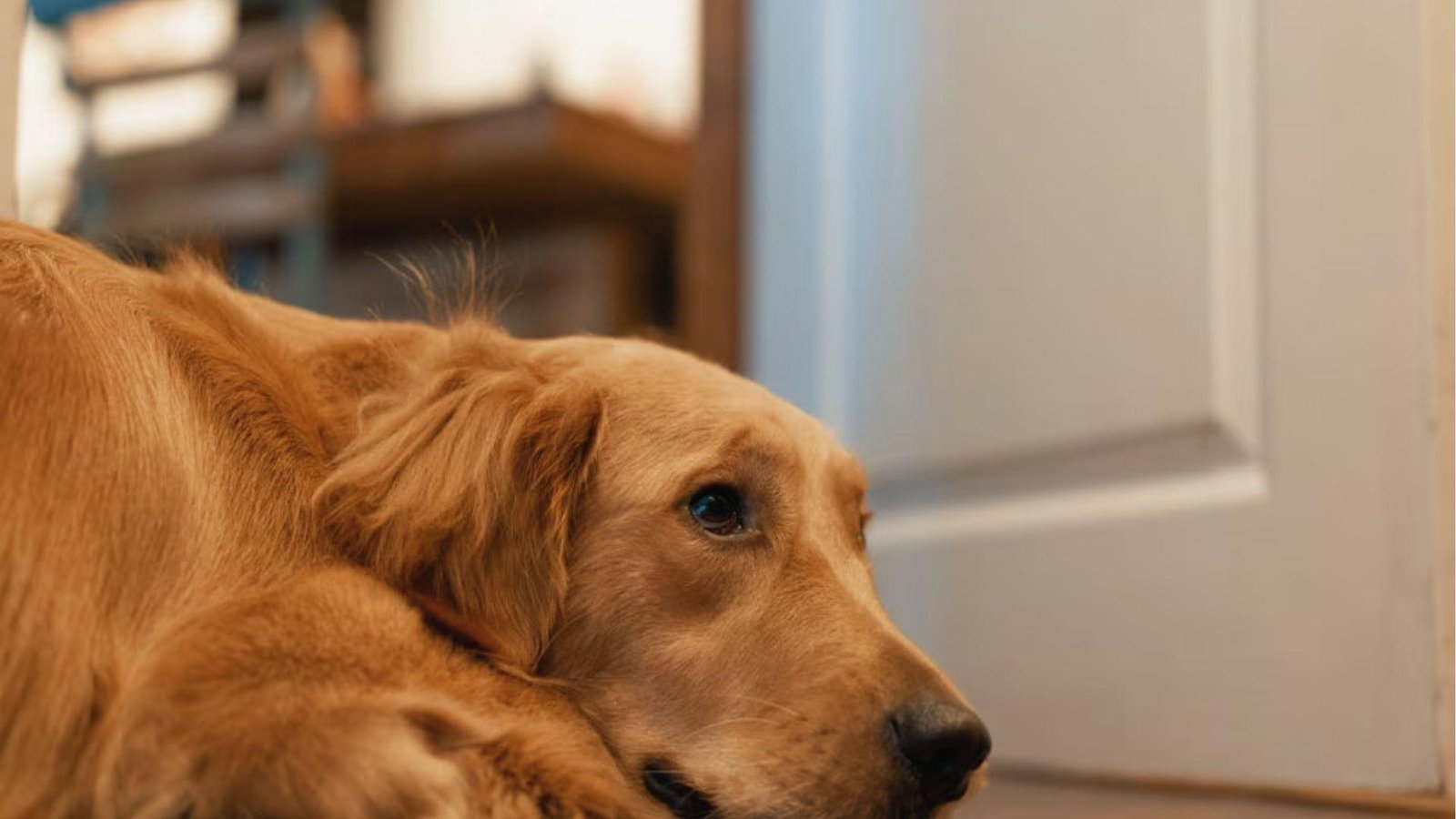
Dogs don't always show pain in obvious ways. A hidden injury or abdominal pain can cause rapid breathing even during sleep.
In some cases, faster breathing is the first sign that something internal is off, showing up before any other visible symptoms.
Fever and Infection

When a dog has a fever, their body temperature rises. A higher body temperature means the body needs more oxygen, which drives up the breathing rate.
If your dog seems warm to the touch or has been unwell recently, fever could be the cause.
Why My Dog Breathing Fast While Sleeping Can Be Serious: Warning Signs
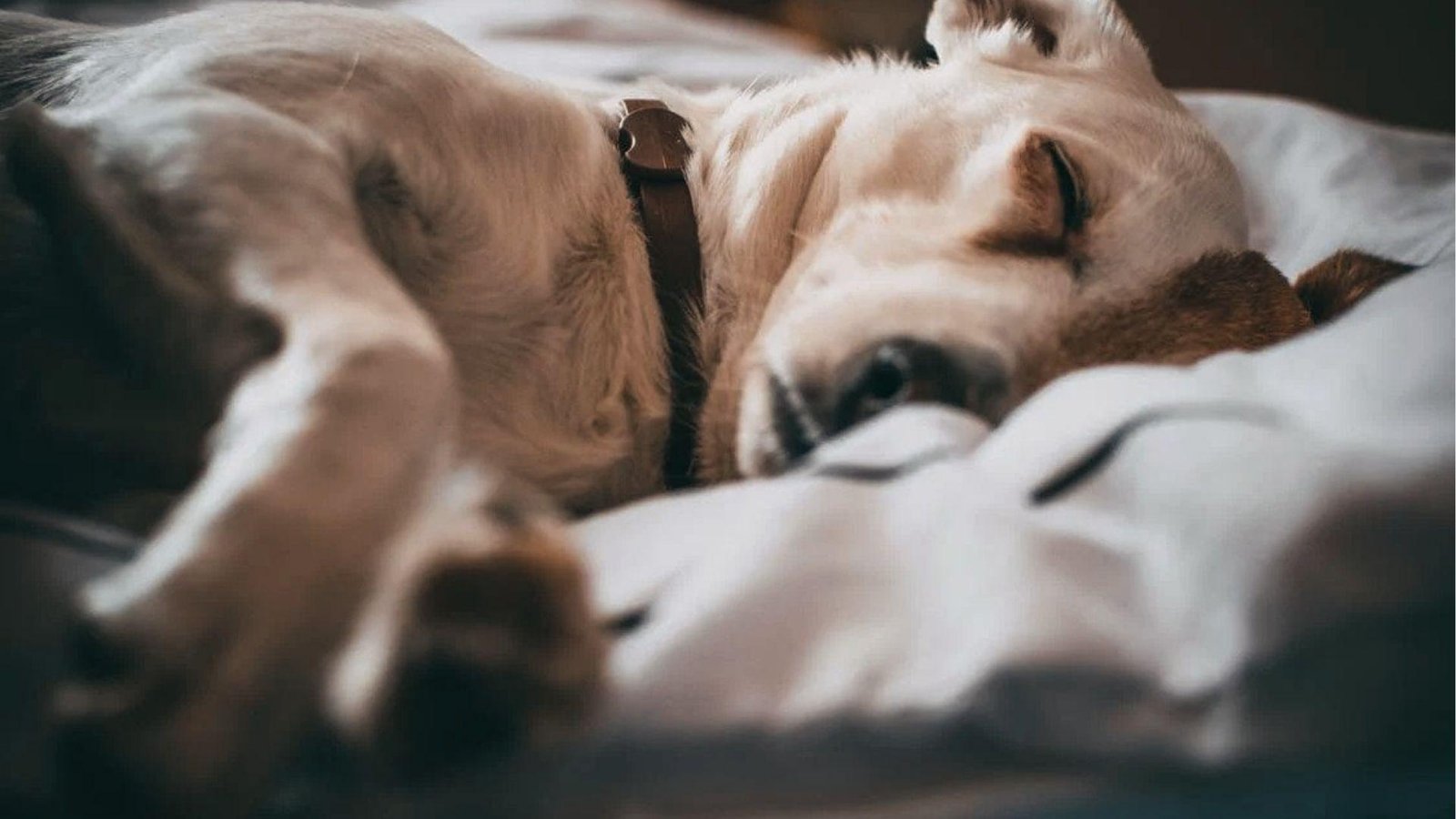
Some signs mean you should stop watching and start calling your vet right away.
Emergency Symptoms to Watch For
Blue, pale, or gray gums are a serious emergency. This means your dog is not getting enough oxygen. Do not wait.
Open-mouth breathing during sleep is not normal for dogs. If your dog is sleeping with their mouth open and breathing fast, treat it as urgent.
Weakness, collapse, or extreme fatigue alongside fast breathing also needs immediate attention.
Abdominal effort while breathing, where the belly is visibly heaving with each breath, is another warning sign that breathing has become a struggle.
Changes in Breathing Patterns
If the fast breathing happens every time your dog sleeps, it's no longer something to brush off. A consistently high sleeping respiratory rate points to an underlying problem.
Loud, heavy, or labored breathing during sleep is also a concern. Normal sleeping breaths are quiet and relatively relaxed.
Noisy or strained breathing is the body working harder than it should.
Dog Breathing Fast While Sleeping: Breed, Age & Environmental Factors
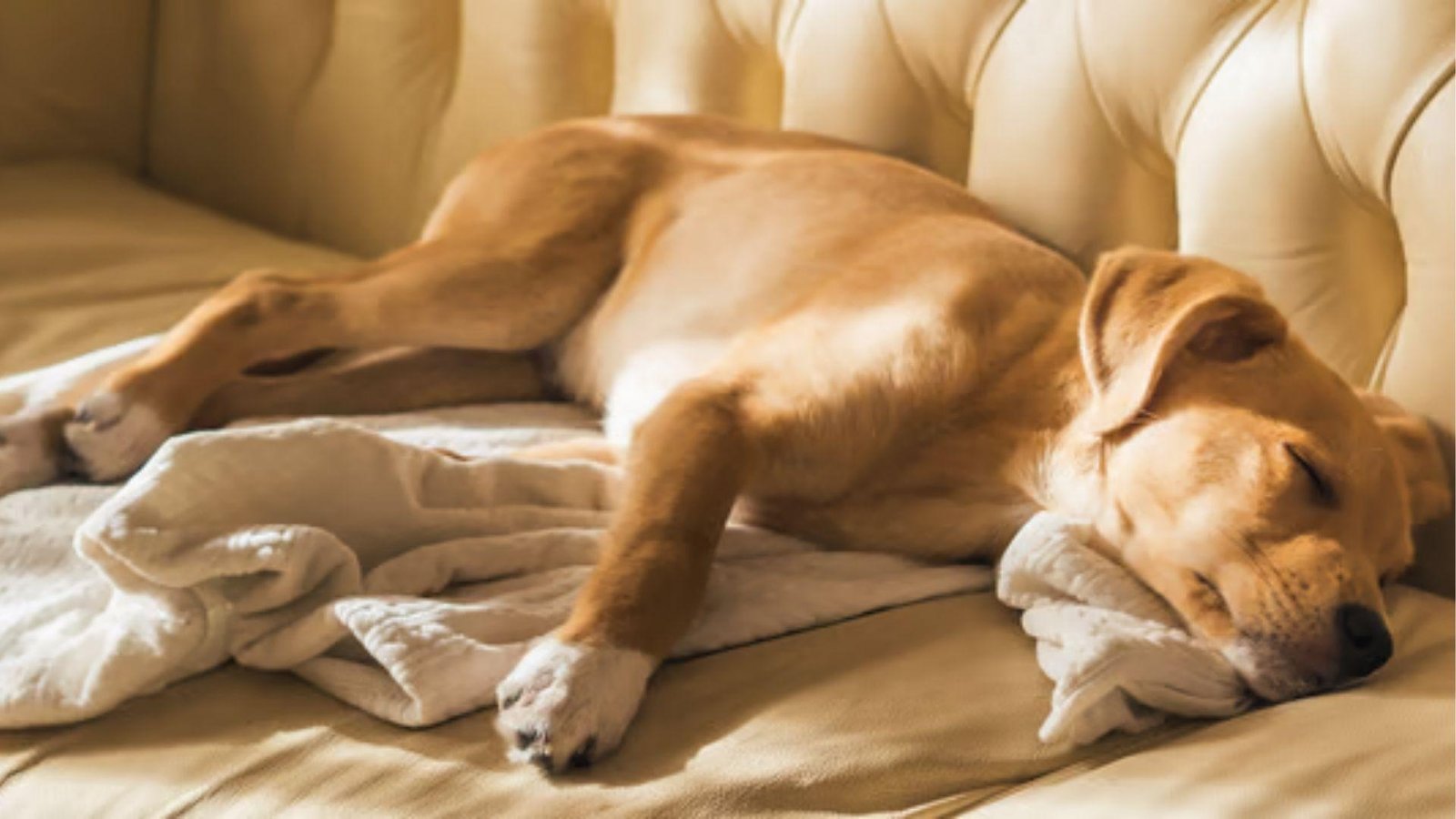
Not every dog is equally at risk, and certain factors can make fast sleeping breaths more likely.
Flat-Faced Breeds (Brachycephalic Dogs)
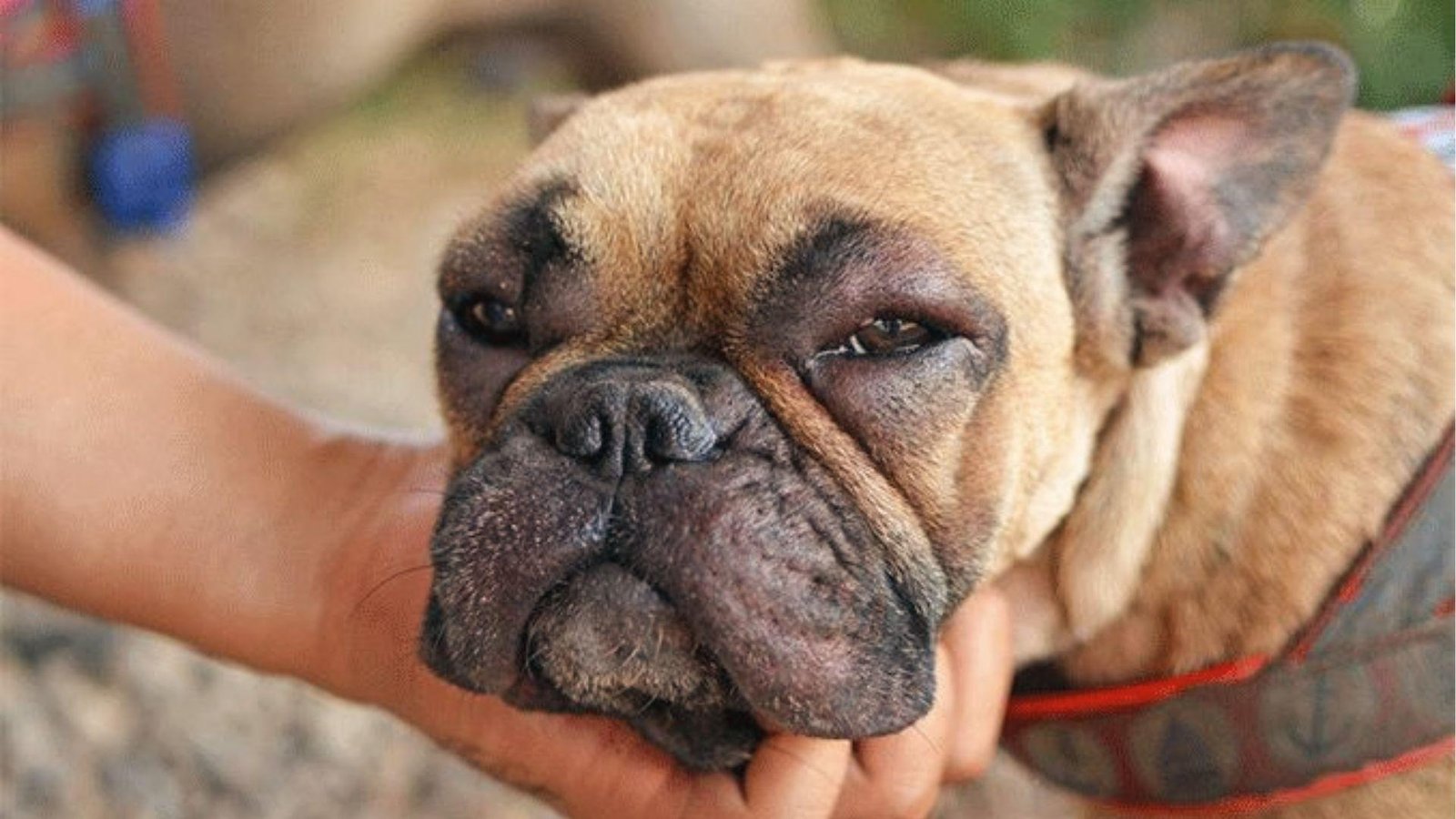
Pugs, Bulldogs, and French Bulldogs have naturally narrow airways. Their facial structure means breathing is already more work for them.
These breeds are far more likely to breathe fast during sleep, and they're also more vulnerable to serious respiratory problems.
Senior Dogs
Older dogs have a higher risk of developing heart disease and lung conditions.
If your senior dog has started breathing faster during sleep, it deserves a vet visit even if everything else seems fine.
Environmental Triggers
Heat and humidity make breathing harder for all dogs. Poor ventilation in the sleeping area can also lead to faster breathing.
Make sure your dog sleeps somewhere cool, with good airflow, especially during warm months.
How Vets Diagnose Why Is Dog Breathing Fast While Sleeping
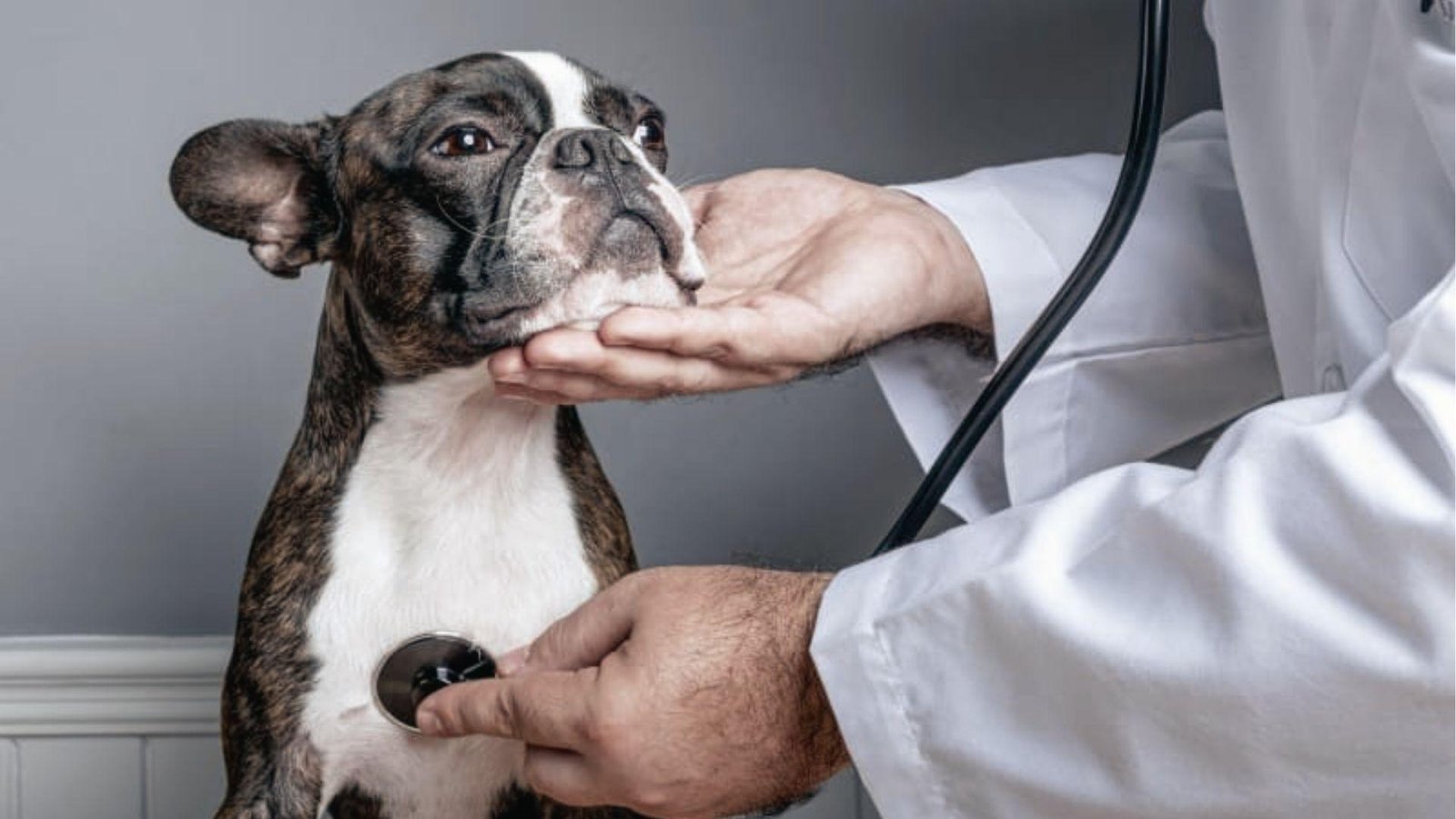
A proper diagnosis helps you get the right answers instead of guessing.
Physical Examination
The vet will start by listening to your dog's heart and lungs. Abnormal sounds can point toward infection, fluid, or heart problems.
They'll also check gum color to assess oxygen levels in the blood.
Diagnostic Tests
Chest X-rays show the condition of the lungs and heart, making them one of the most useful tools for diagnosing breathing problems.
Blood tests can detect infection, anemia, or other issues affecting oxygen delivery.
If heart disease is suspected, an echocardiogram may be recommended to get a detailed picture of how the heart is functioning.
Tips to Manage and Monitor Dog Breathing Fast While Sleeping at Home
Keeping track at home gives your vet useful information and helps you catch changes early.
- Count your dog's breaths for 30 seconds while they sleep, then multiply by two. This gives you the breathing rate per minute. Write it down.
- Keep the sleeping area cool and well-ventilated. Avoid letting your dog sleep in hot or stuffy rooms.
- Note how often the fast breathing happens and how long it lasts each time.
- Watch for other symptoms alongside fast breathing, such as coughing, reduced appetite, tiredness, or changes in behavior.
- Track any pattern over several days before your vet visit so you can share accurate details.
Conclusion
Fast breathing during REM sleep is usually nothing to worry about. But when it happens during deep rest and keeps repeating, it's your dog's body telling you something needs attention.
I've learned not to ignore the signs. Early action really does make a difference. If your dog is breathing fast while sleeping regularly, please don't wait too long to get it checked.
Drop a comment below and share what you've noticed. Your experience might help another pet owner too.
And if you found this helpful, share it with a fellow dog lover.
Frequently Asked Questions
How fast is too fast for a sleeping dog's breathing?
A normal sleeping dog breathes between 15 and 30 times per minute. Anything consistently above 30 breaths per minute during rest is worth reporting to your vet.
Can stress cause my dog to breathe fast while sleeping?
Yes, stress and anxiety can carry into sleep. A dog that had a stressful day may breathe faster during sleep, though it usually settles once they feel safe and calm.
Should I wake my dog if they are breathing fast during sleep?
If the fast breathing seems connected to dreaming and stops on its own, there's no need to wake them. If it continues and they seem distressed, gently waking them is fine.
Is fast sleeping breathing more common in puppies?
Yes. Puppies have naturally faster respiratory rates and spend more time in REM sleep. Fast breathing in a healthy, active puppy is usually not a cause for concern.
When should I take my dog to the emergency vet for fast breathing?
If you notice blue or pale gums, open-mouth breathing during sleep, collapse, or extreme difficulty breathing, go to an emergency vet right away without waiting for a regular appointment.