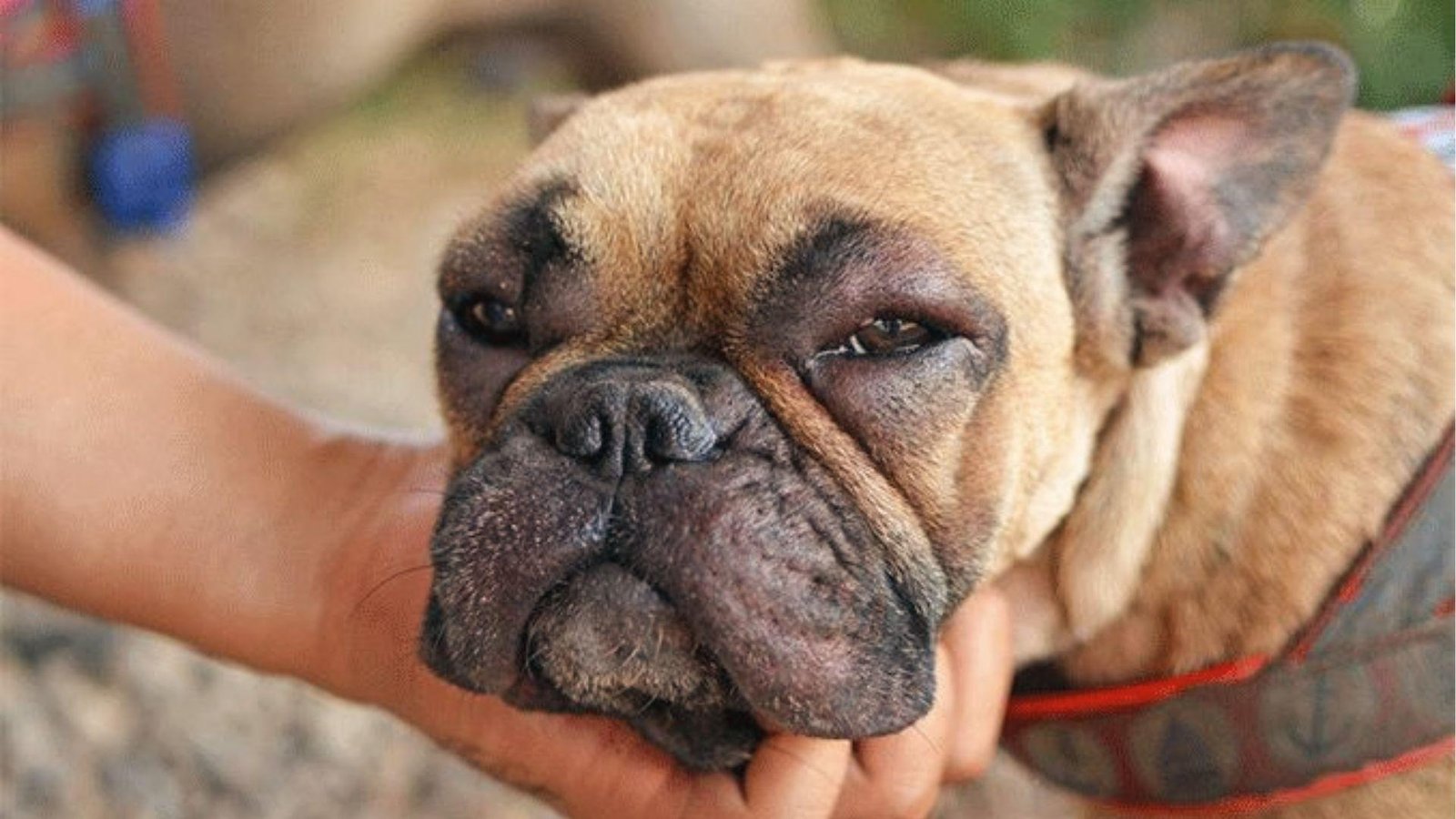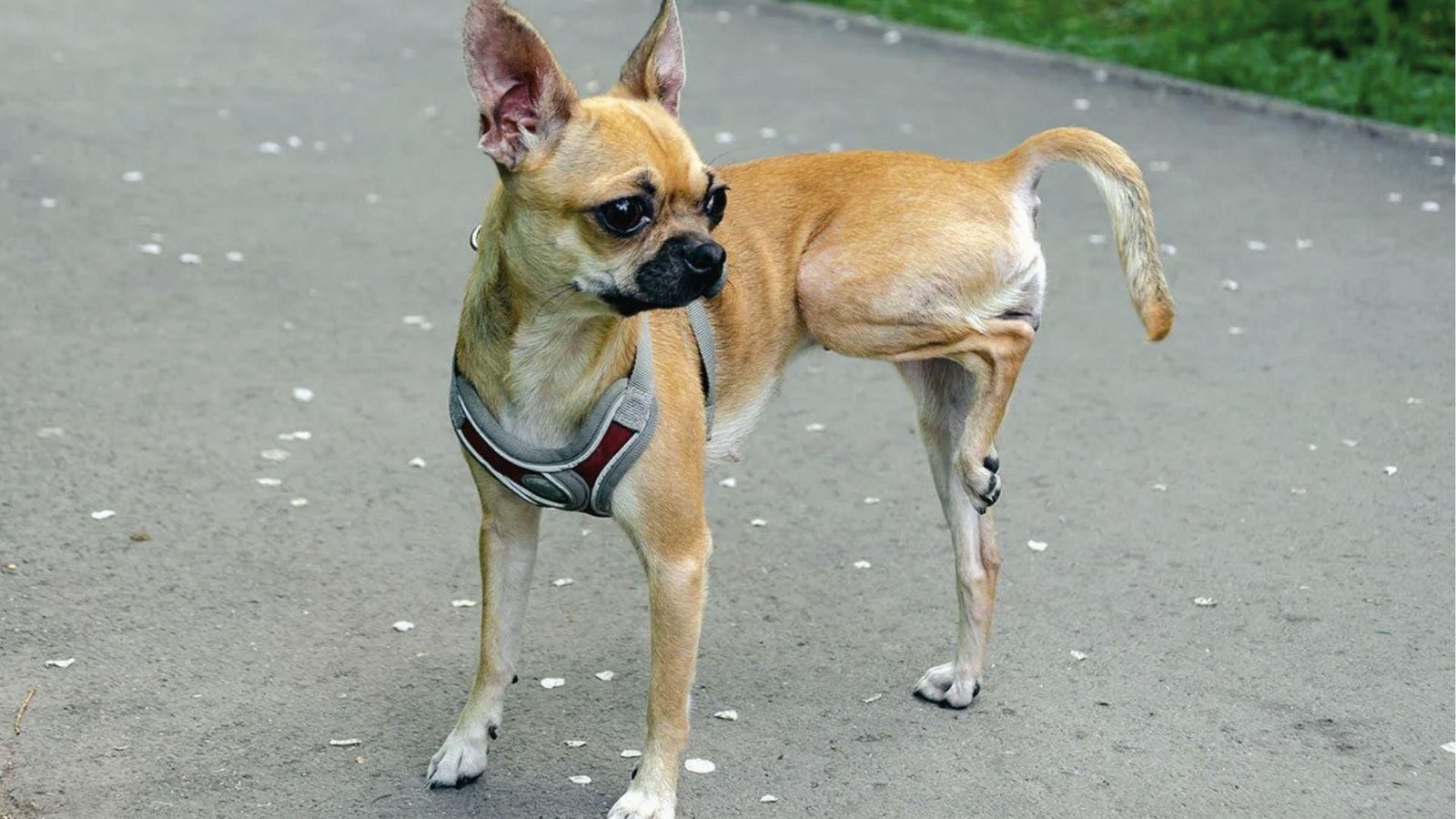


If your dog has been unusually quiet lately, sleeping more, skipping play, or just not acting like themselves, you are probably worried.
I have been there too, watching my dog ignore his favorite toy and wondering if something was seriously wrong.
This article covers what lethargy looks like in dogs, from early behavioral shifts to physical signs, common causes, and when it becomes an emergency.
Lethargy is not a disease. It is a symptom. And recognizing it early can make all the difference.
With years of experience writing about pet health, I will help you understand what to watch for and what to do next.
What Does Lethargy Look Like in Dogs? Complete Overview of Symptoms

A lethargic dog does not just seem tired. Their whole personality shifts. They stop running to the door when you grab the leash.
Toys they once loved sit ignored. They lie in one spot for hours and show little interest in food, treats, or your arrival home.
A tired dog bounces back after rest. A lethargic dog stays low-energy even after a full night of sleep.
That lack of excitement for things they normally love is the clearest difference. If your dog is showing this pattern, it is worth paying close attention.
Early Warning Signs of Lethargy in Dogs You Shouldn't Ignore

Catching these subtle shifts early can help you act before the situation gets worse.
Subtle Behavioral Changes
Early lethargy often looks like small changes you might brush off. Your dog does not respond as quickly to their name.
They seem less curious about sounds or movement around them. Toys they once grabbed get ignored. Commands they know well seem harder to follow.
These are not personality quirks. They are signs that something may be off internally.
Changes in Daily Routine
You might notice your dog sleeping longer than usual, skipping their morning excitement, or choosing to rest instead of going outside.
Some dogs start hiding or finding corners of the house they never used to prefer.
These shifts in routine are easy to miss at first. But when they happen consistently over a day or two, they are worth noting and monitoring closely.
Physical Symptoms That Show Lethargy in Dogs
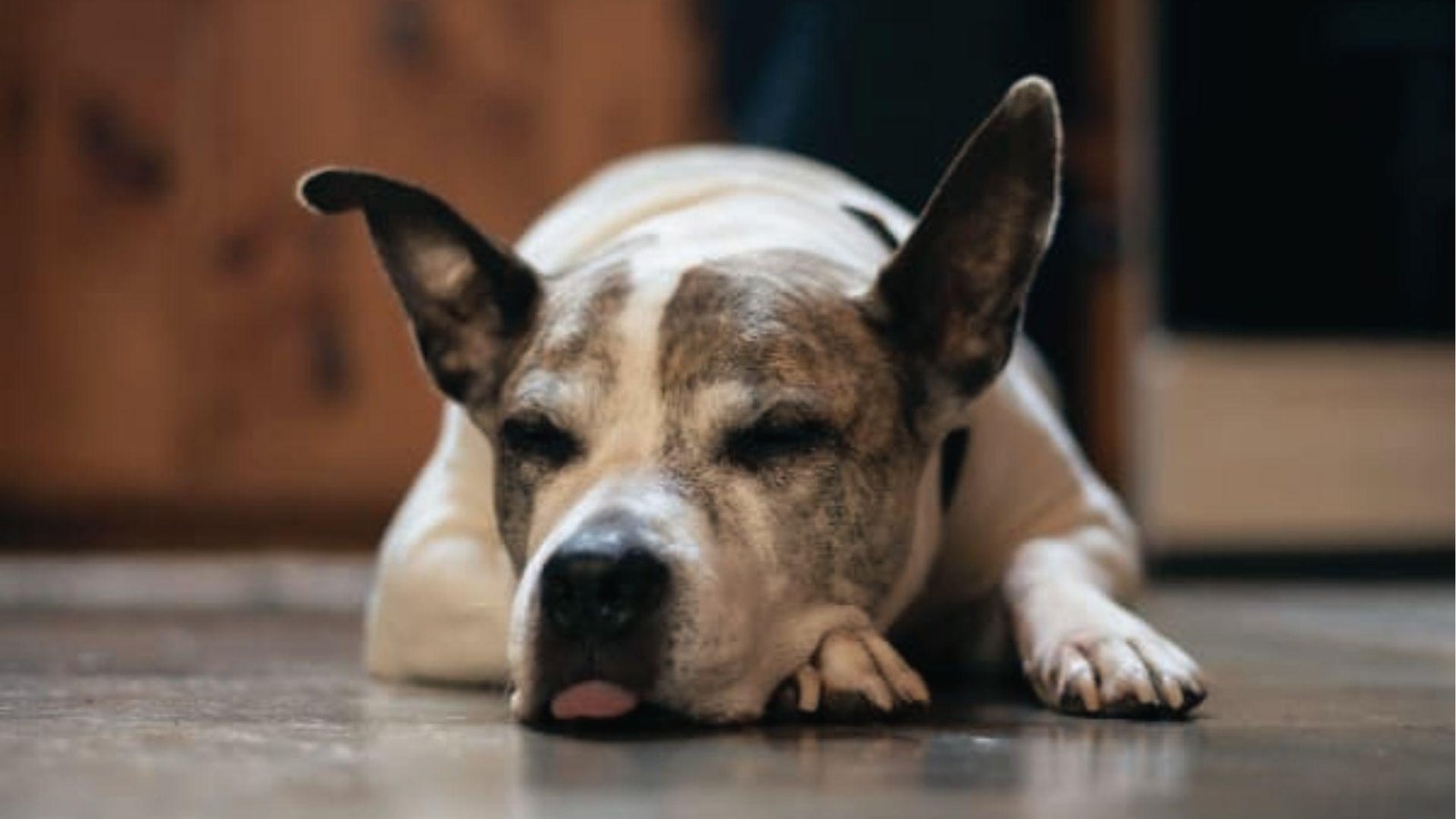
Beyond behavior, the body gives clear signals that energy and function are being affected.
Energy and Movement Changes
A lethargic dog may struggle to stand after lying down. Their movements become slower and heavier.
They might lag behind on walks or stop altogether. Getting up from the floor takes more effort than usual.
These movement changes point to weakness in the muscles or joints, or sometimes deeper internal issues affecting overall stamina and body function.
Appetite and Hydration Changes
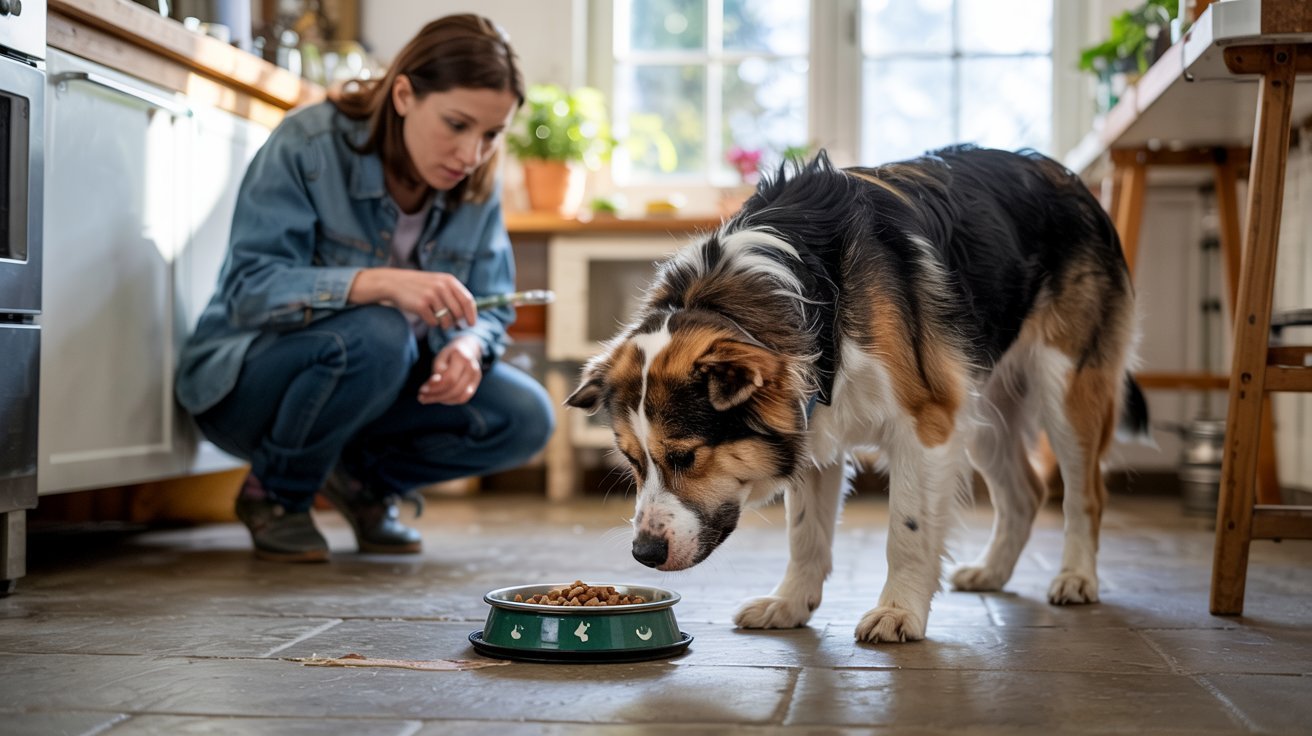
Eating less or refusing food is one of the most common signs paired with lethargy.
Some dogs also drink less water, which can quickly lead to dehydration. Others may drink more than usual, which points to conditions like kidney issues or diabetes.
Keep an eye on the food bowl, water dish, and bathroom habits. These details matter when you speak to a vet.
Common Health Causes Behind Lethargy in Dogs

Lethargy rarely appears on its own. It usually signals something happening beneath the surface.
Infections and Illnesses
Viral and bacterial infections are among the most common triggers. Tick-borne diseases like Lyme disease and ehrlichiosis can cause sudden and severe fatigue.
A dog running a fever will almost always appear lethargic as the body works to fight the illness.
Parasites can also drain energy over time, especially in dogs that spend time outdoors.
Organ and Chronic Conditions
Heart disease, liver problems, and kidney failure can all cause ongoing fatigue. Hormonal conditions like hypothyroidism and Cushing's disease slow the body down significantly.
Anemia, which is a low red blood cell count, leaves dogs without the oxygen they need to stay active.
These conditions often develop slowly, which is why persistent lethargy should never be dismissed.
Pain, Stress, and Environmental Factors
Dogs in pain, whether from arthritis, injury, or internal discomfort, become less active to avoid worsening it. Heat exhaustion is another serious cause, especially in summer months.
Emotional stress matters too. A big change in routine, a new pet in the home, or loss of a family member can leave a dog visibly withdrawn and low on energy.
When Lethargy in Dogs Becomes an Emergency

Some signs paired with lethargy require immediate action, not a wait-and-see approach.
Critical Warning Signs
Call a vet right away if your dog collapses or cannot stand on their own. Labored or noisy breathing is a serious sign.
Pale or bluish gums point to circulation problems. Seizures or a complete lack of response to stimulation are emergencies that need immediate care.
Do not wait in these situations. Time matters.
When to Contact a Vet Immediately
If lethargy lasts more than twenty-four to forty-eight hours without explanation, it is time to call.
If it comes along with vomiting, diarrhea, coughing, or swelling, do not wait for it to pass on its own.
A sudden and dramatic change in behavior, especially in an otherwise healthy dog, is a reason to act quickly.
What Pet Owners Should Do When Their Dog Is Lethargic (Care Tips)
Knowing how to respond at home and when to seek help can support your dog's recovery.
- Keep your dog in a calm, quiet space away from heat and loud noise.
- Offer fresh water often and encourage small sips if they are hesitant.
- Track food intake, water consumption, and bathroom habits closely.
- Never give human medications. Many are toxic to dogs even in small doses.
- Note when the lethargy started and any other symptoms to share with your vet.
Conclusion
Watching your dog lose their spark is hard. I know how unsettling it feels when they stop doing the things that make them, well, them.
Now that you know what lethargy looks like in dogs, you are better prepared to act when it matters. Do not wait and hope it passes. Trust your instincts as a pet owner.
If this helped you, drop a comment below and share what signs you noticed first in your dog.
Your experience might help another pet owner too. Share this post with a fellow dog parent who needs it.
Frequently Asked Questions
How long can a dog be lethargic before it becomes serious?
If your dog has been lethargic for more than twenty-four to forty-eight hours, or if other symptoms appear alongside it, contact your vet. Short rest periods after activity are normal, but prolonged low energy is not.
Can stress cause lethargy in dogs?
Yes, emotional stress from changes in routine, environment, or household dynamics can cause noticeable drops in energy. If the lethargy is stress-related, it usually improves once the stressor is removed or addressed.
What is the most common cause of sudden lethargy in dogs?
Infections, fever, and pain are among the most frequent causes of sudden lethargy. Tick-borne illnesses are also a common culprit, especially in dogs that spend time outdoors or in wooded areas.
Should I feed my lethargic dog even if they refuse to eat?
Offer food gently but do not force it. If your dog goes more than a full day without eating, especially paired with other symptoms, that is a reason to consult a vet rather than waiting it out at home.
Can lethargy in dogs go away on its own?
Mild lethargy from overexertion or minor stress can resolve with rest. However, if it persists beyond a day or two, or comes with any other signs of illness, it needs professional attention to rule out underlying health conditions.