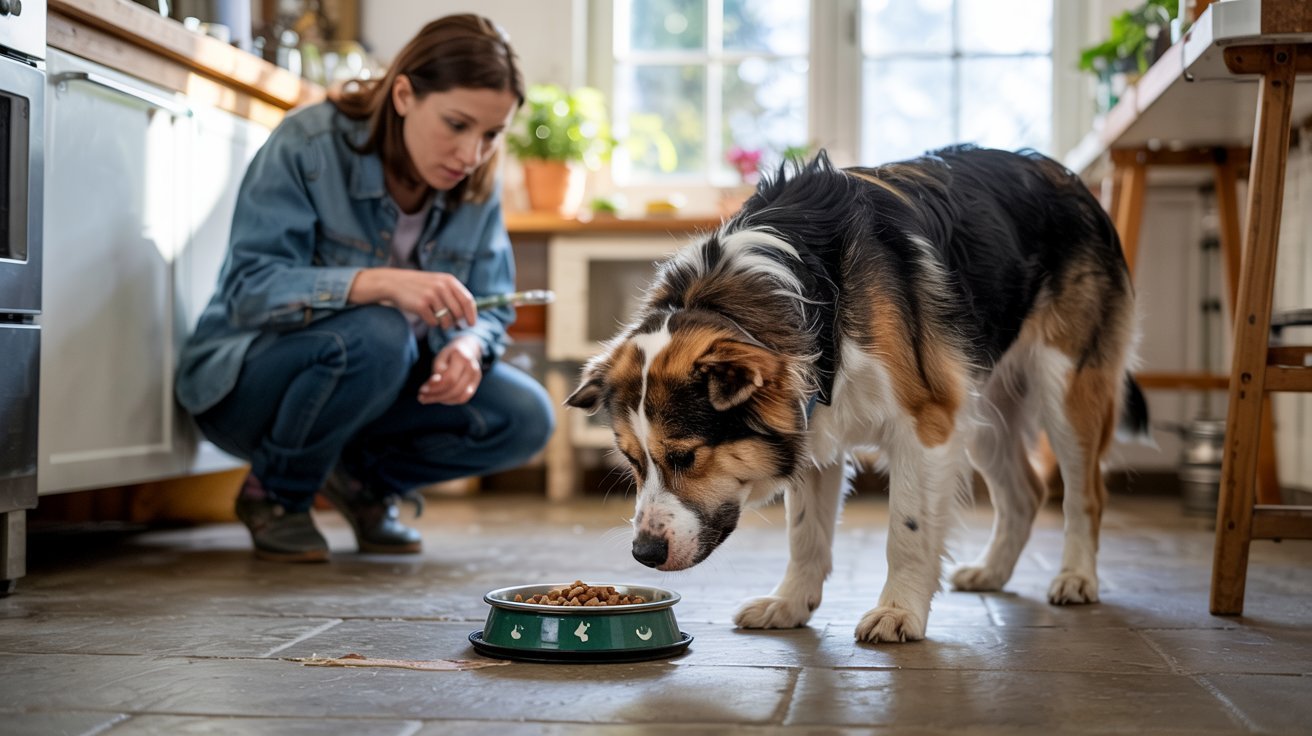

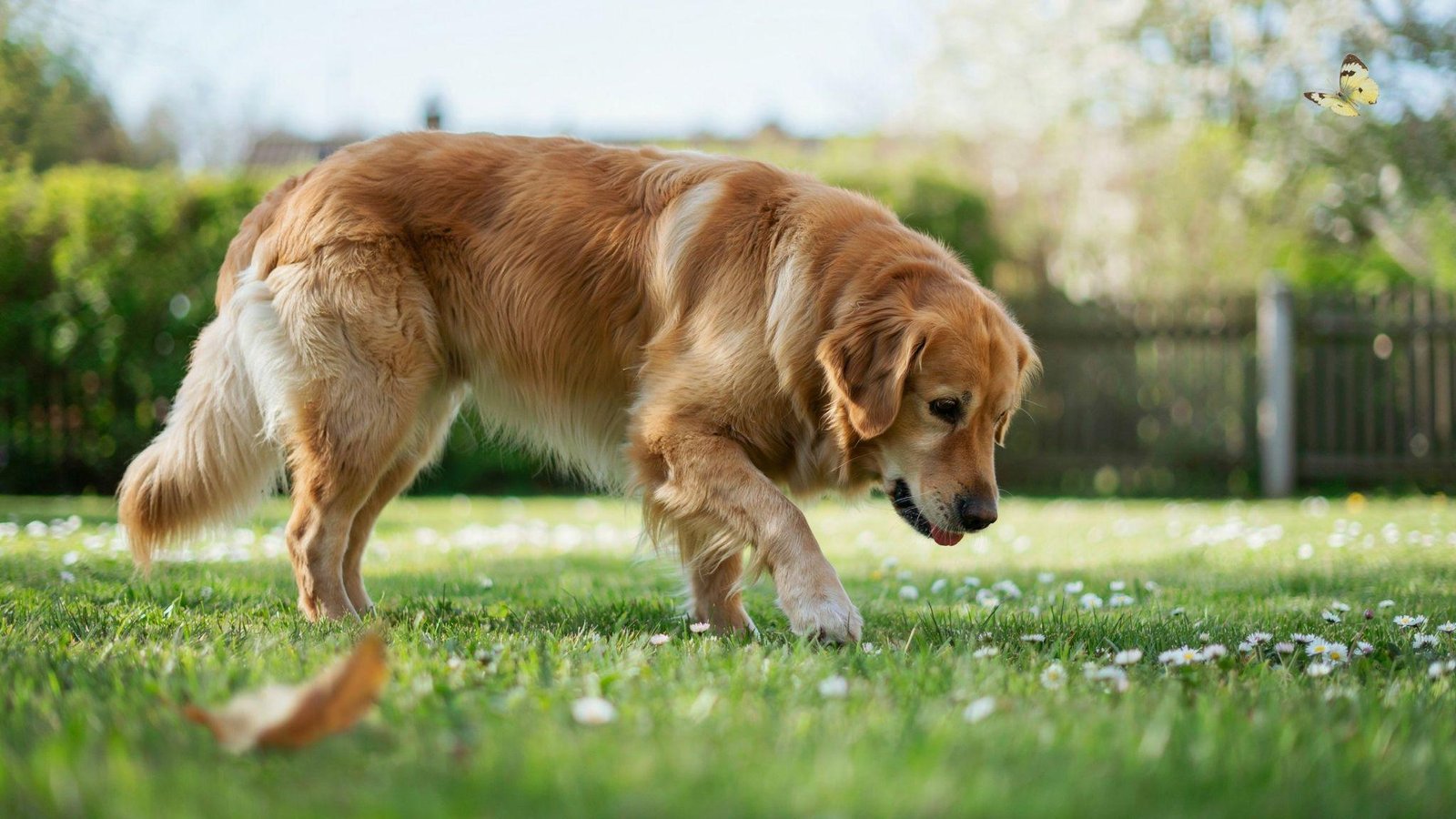
You are out for a walk with your dog, and suddenly it stops and starts munching on grass.
Sound familiar? Most dog owners have seen this and wondered what is going on.
The good news is that this is one of the most common behaviors in dogs. Studies show that over 70% of dogs eat plants at some point.
Some do it out of boredom, others to ease an upset stomach, and some just like the taste.
Most of the time, it is nothing to worry about. But knowing when it is normal and when it is not can make all the difference for your dog's health.
What Does It Mean When a Dog Eats Grass?
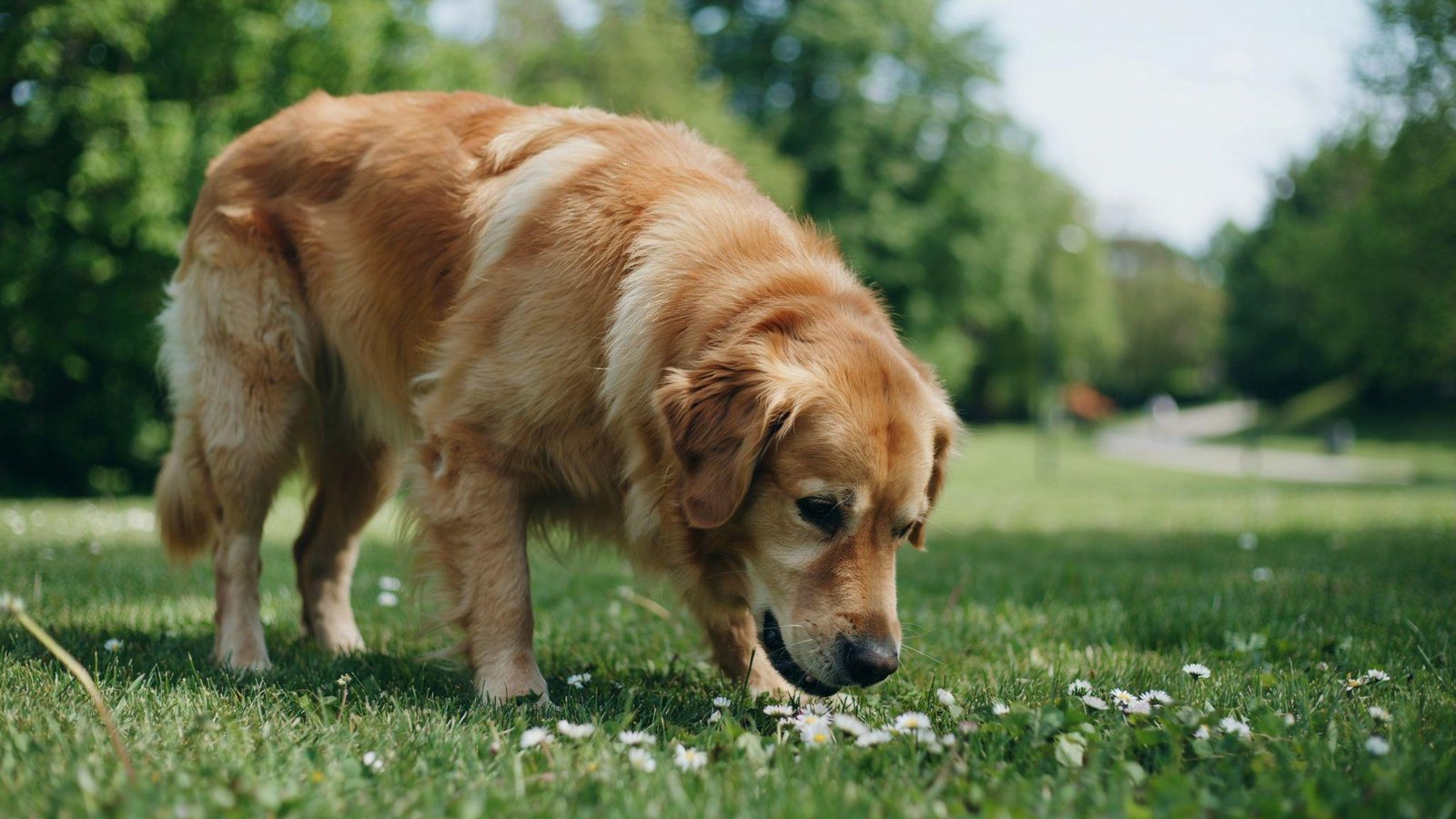
Many dogs eat grass, and it is one of the most common behaviors seen in pets worldwide.
Some do it out of boredom, others to settle an upset stomach, and some simply enjoy the taste or texture.
Studies show that over 70% of dogs eat plants at some point. Most of the time, this behavior is completely normal.
However, if your dog eats grass frequently and vomits often after, it is worth a vet visit.
Why Do Dogs Eat Grass?

Dogs eat grass for many reasons. Some are instinct-driven, some are diet-related, and others are purely behavioral.
Natural Instincts and Scavenging Behavior
Dogs are natural scavengers. Their wild ancestors ate plants along with prey. This plant-eating behavior has stayed with domestic dogs over generations. It is a built-in survival habit, not a sign of something wrong.
Seeking Extra Fiber in Their Diet
If a dog's diet lacks enough fiber, it may turn to grass to fill that gap. Grass adds roughage that helps food move through the digestive system more smoothly and supports better bowel movement.
Mild Digestive Discomfort
Dogs sometimes eat grass when their stomach feels off. The grass can trigger vomiting, which helps them feel better. It acts as a natural way to clear discomfort, gas, or something that is not sitting well inside.
Curiosity and Exploration
Dogs use their mouths to check out the world around them. Grass is right at their level, so they sniff it, chew it, and taste it out of pure curiosity. Young dogs and puppies do this more often.
Enjoying the Taste or Texture
Not every dog eats grass because something is wrong. Some dogs genuinely like the taste of fresh grass, especially after rain. The crisp texture and mild flavor can be enjoyable, just like humans snacking without being hungry.
Boredom and Lack of Mental Stimulation
A dog with nothing to do will find something to do. Eating grass can be a way to pass time when walks are short or playtime is limited. More activity and mental engagement can reduce this habit quickly.
Stress, Anxiety, and Attention-Seeking
Some dogs eat grass when they feel anxious or want their owner's attention. If your dog heads to the grass every time you are busy or distracted, it may be using this behavior as a way to get noticed.
Do Dogs Eat Grass When They Are Sick?
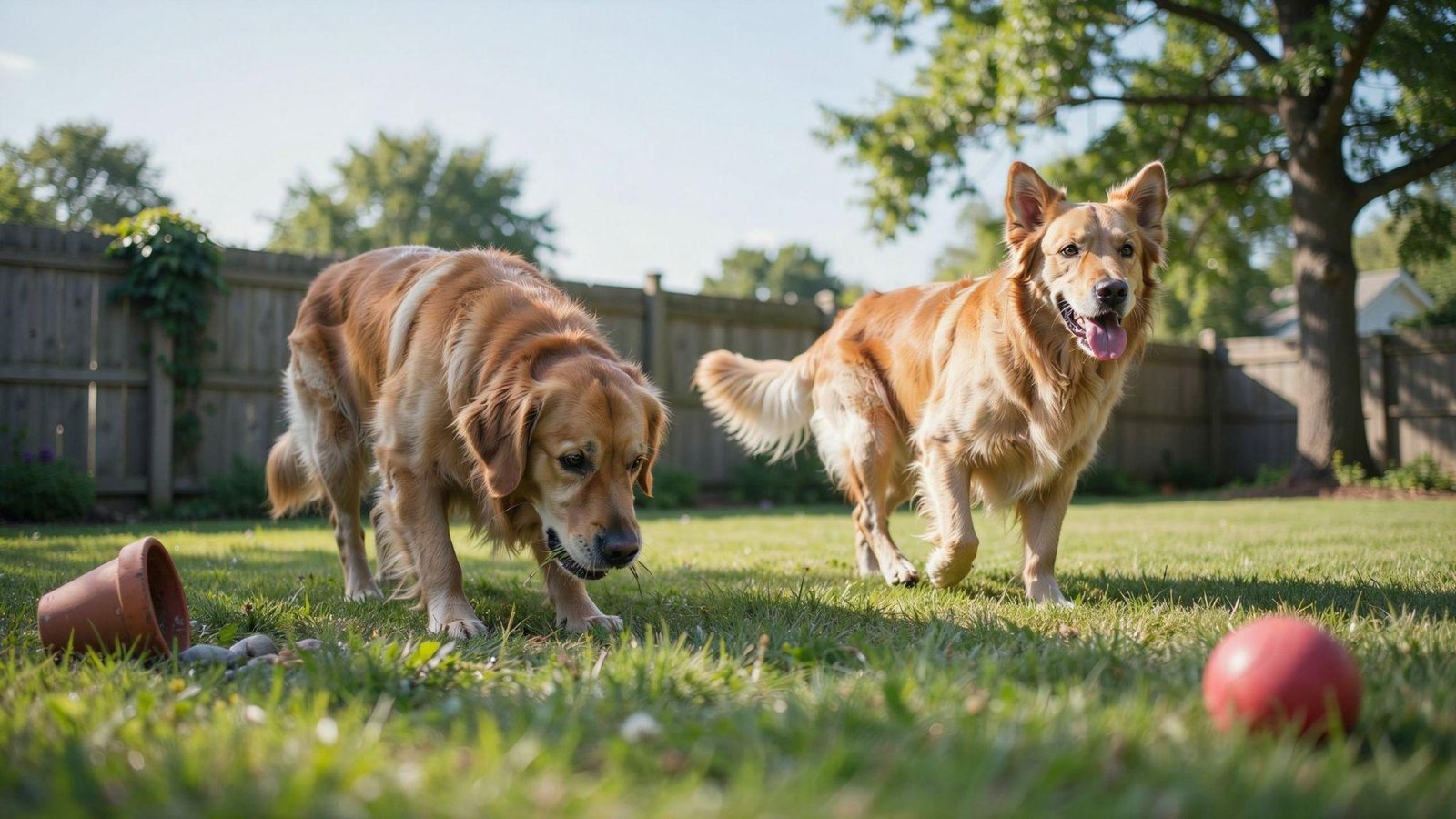
Dogs do eat grass when their stomach feels uneasy, but it is not always because they are sick. Some dogs eat grass before vomiting to feel relief, while others eat it with no issue at all.
Research shows that less than 25% of dogs vomit after eating grass regularly. Most dogs that eat grass show no signs of illness before or after. It is situational, not always sickness-related.
Can Grass Help a Dog's Digestion?
Grass contains fiber, which can support a dog's digestive system in small ways. It adds bulk to the diet, which helps move food through the gut and supports regular bowel movements.
Some dogs with slow digestion may feel better after eating a little grass. However, grass is not a complete solution.
A balanced diet with the right fiber content is always a better and safer option for long-term gut health.
Is Eating Grass Safe for Dogs?
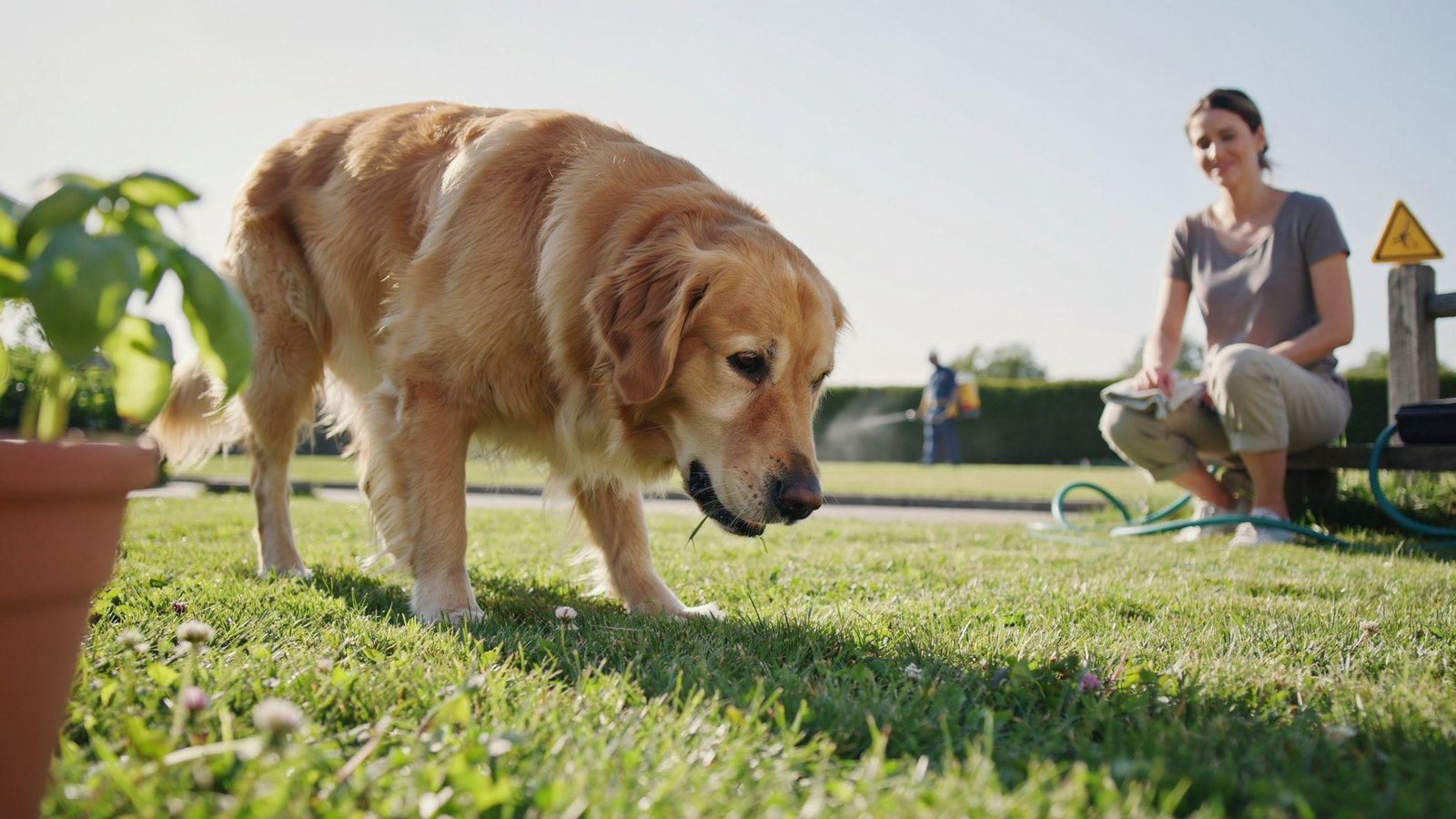
Eating grass is usually harmless for dogs when done occasionally. However, risks come from what is on the grass, not the grass itself.
Pesticides, herbicides, and chemical fertilizers sprayed on lawns can be toxic to dogs. Grass in public areas may also carry parasites, bacteria, and other harmful organisms.
Eating too much grass at once can cause vomiting, bloating, or digestive blockages in some cases. Always make sure your dog only has access to clean, chemical-free grass.
Signs That Grass Eating May Indicate a Health Problem
- Frequent vomiting after eating grass is not normal. If your dog throws up every time it eats grass, a vet check is needed.
- Loose stools or constipation alongside grass eating can point to a digestive issue that needs attention.
- A dog that eats grass but skips its regular meals may be dealing with nausea or an underlying health condition.
- A dog that seems tired, dull, or behaves differently after eating grass may be reacting to something harmful.
- If your dog suddenly starts eating grass much more than usual, it could be signaling pain, discomfort, or a nutritional gap.
How to Stop a Dog From Eating Grass
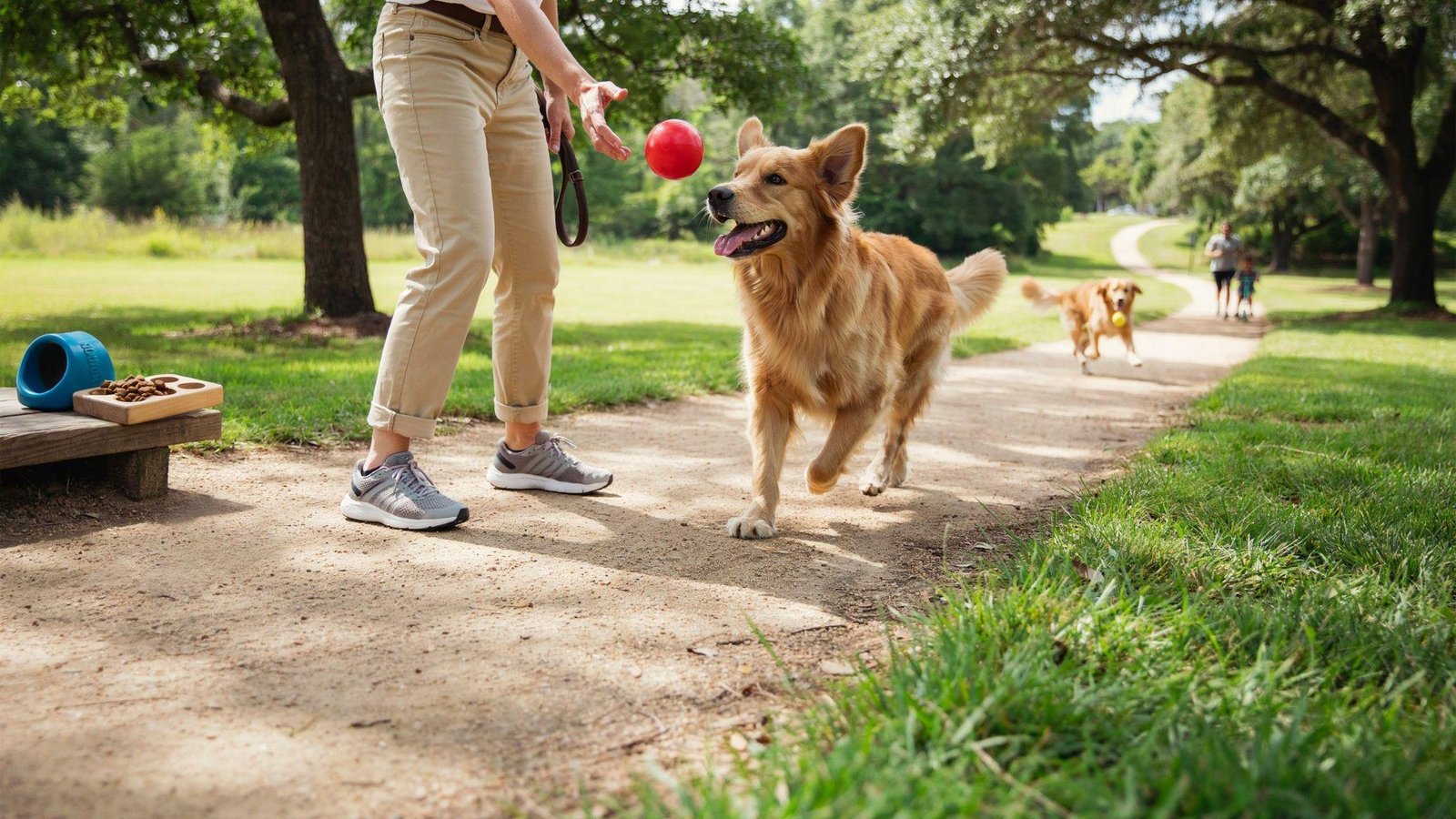
Stopping a dog from eating grass starts with understanding why it is doing it. Small changes in diet, routine, and training can make a big difference.
Improve Diet and Nutrition
A diet lacking in fiber or nutrients can push a dog toward grass. Switch to a high-quality dog food with balanced fiber content. Adding dog-safe vegetables like carrots or green beans can also help fill any nutritional gaps.
Increase Exercise and Playtime
A tired dog is less likely to eat grass out of boredom. Make sure your dog gets enough physical activity every day. Longer walks, fetch sessions, or off-leash play can keep the habit in check.
Provide Mental Enrichment
Dogs need mental activity just as much as physical exercise. Puzzle feeders, sniff mats, and interactive toys keep the brain busy. A mentally engaged dog is far less likely to chew on grass to pass time.
Teach the "Leave It" Command
Training your dog to respond to a firm "leave it" command is one of the most effective ways to stop grass eating on the spot. Practice this command regularly so your dog responds quickly when outdoors.
Offer Safe Chewing Alternatives
Give your dog something better to chew on. Dog-safe chew toys, dental sticks, or raw bones can redirect the urge to chew grass. Having a go-to chew option ready during outdoor time helps break the habit faster.
Supervise Outdoor Activities
Keep an eye on your dog when it is outside. The moment it moves toward grass, redirect its attention with a toy or command. Consistent supervision, especially in the early stages, helps correct the behavior before it becomes a fixed habit.
Common Myths About Dogs Eating Grass
There are many misunderstandings around why dogs eat grass. Here is what the facts actually say.
- Myth: Dogs Only Eat Grass When They Are Sick: This is one of the most common assumptions, but it is not accurate. Many dogs eat grass when they feel perfectly fine. Boredom, curiosity, and taste preference are just as likely to be the reason.
- Myth: Grass Always Causes Vomiting: Most dogs eat grass without vomiting at all. Research suggests that only a small percentage of dogs vomit after eating grass. It is not an automatic reaction and varies from dog to dog.
- Myth: Grass Eating Means a Nutritional Deficiency: While a low-fiber diet can sometimes lead to grass eating, it is not always the cause. Many dogs on well-balanced diets still eat grass occasionally. It does not automatically point to a gap in nutrition.
- Myth: All Grass Is Safe for Dogs: Not all grass is safe. Lawns treated with pesticides, herbicides, or chemical fertilizers can be harmful to dogs. Grass in parks or public spaces may also carry parasites or bacteria that can make a dog sick.
Conclusion
Dogs eating grass is rarely something to lose sleep over. In most cases, it is just a habit rooted in instinct, curiosity, or a mild tummy issue.
That said, knowing what is normal for your dog matters.
If the behavior becomes frequent or comes with vomiting, skipped meals, or tiredness, get a vet involved. Trust your instincts as a pet parent. You know your dog best.
Have questions about your dog's behavior? Drop them in the comments or share this with a fellow dog owner who needs it.
Frequently Asked Questions
Why is my dog eating grass all of a sudden?
A sudden increase in grass eating can point to an upset stomach, boredom, or a change in diet. If it continues or comes with vomiting, a vet visit is a good idea.
Is it safe to let my dog eat grass?
Occasional grass eating is generally safe. The real risk comes from grass treated with pesticides or herbicides, so always make sure the area is chemical-free.
Should I stop my dog from eating grass?
If your dog eats grass now and then with no other symptoms, there is no urgent need to stop it. However, redirecting the behavior with toys or training is always a healthy habit.
Can eating grass make my dog sick?
Grass itself is not toxic, but it can cause vomiting in some dogs. Grass from treated lawns or public spaces can carry harmful chemicals or parasites that may make your dog unwell.
Do puppies eat grass more than adult dogs?
Yes, puppies tend to eat grass more often. It is usually linked to teething, curiosity, or learning about their surroundings. Most puppies reduce this habit naturally as they grow older.